

How to Write an End-of-Year Party Newsletter to Families
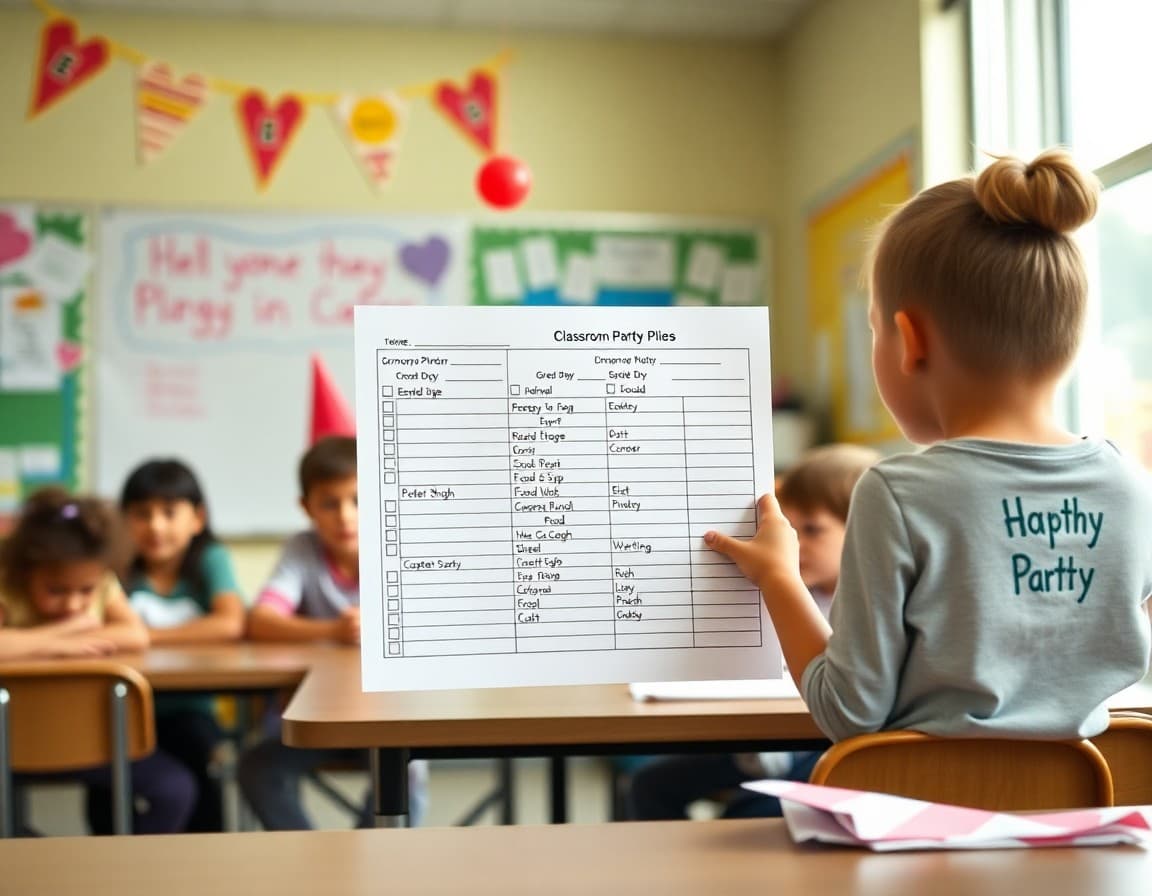
End-of-year party newsletters are some of the happiest communication a teacher sends all year, and some of the most logistically complex. A good newsletter coordinates food contributions without creating allergy hazards, recruits the right number of volunteers, and builds the kind of excitement that makes the last days of school feel like a genuine celebration rather than a countdown to dismissal.
Open with what you are celebrating
Before the logistics, take a moment to name what this party is for. The year your class has had. The things they built together. The moments that made your class what it became. A brief, genuine acknowledgment of the year before the planning details sets the right tone and reminds families that this is a meaningful celebration, not just a social event.
Give the date and schedule clearly
Date, start time, end time, and which part of the school day the party replaces or extends. If the party spans part of a normal instructional period, note that so families know the academic day is still happening for part of the morning or afternoon. If there is a specific time families can observe or join, include that and whether it requires advance notice.
Set up a food contribution sign-up
Rather than asking families to send in "whatever they would like to bring," use a sign-up structure that gives you control over what arrives. List the categories you need covered: drinks, salty snacks, sweet treats, paper goods. Limiting each category to a specific number of contributions prevents ten bags of chips and no napkins. Include the class's allergy restrictions so families factor that in from the start.
Recruit volunteers with specific roles
Be clear about what you need volunteer help with and how many volunteers are enough. Setting up food, managing activity stations, helping with cleanup. Specific roles help families decide whether they can help based on what the commitment actually involves. Two or three well-briefed volunteers are more helpful than a crowd of parents with no assigned responsibilities.
Describe the party activities
Give families a preview of what students will be doing. Games, reflection activities, a memory-sharing time, a movie, music. Families who know what to expect can prepare their student appropriately. A student who knows the party includes a talent showcase or a memory book sharing moment can think about it in advance.
Address what students should bring or wear
If students are doing anything special, note it. Bringing a small gift for a class exchange, wearing a specific color or casual clothes if it is usually a uniform day, bringing a favorite book or object to share. Practical notes in the newsletter prevent the morning scramble when a student arrives without something they needed.
Close with gratitude
An end-of-year party newsletter is a natural place to express genuine appreciation for the family community you have built over the year. A brief closing that thanks families for their support, involvement, and trust throughout the year is not just polite. It is true. And families who feel genuinely thanked carry that feeling into the next school year.
Daystage makes it easy to send this newsletter with a food and volunteer sign-up built in so families can respond in the same moment they read the invitation. No separate form, no back-and-forth, just a clean path to a coordinated celebration.
Get one newsletter idea every week.
Free. For teachers. No spam.
Frequently asked questions
What should an end-of-year party newsletter include?
The party date and time, what students should know about the celebration, how families can contribute food or supplies, a sign-up for volunteer helpers, any school guidelines about food and allergies, and a brief note about what you will be celebrating from the year.
How do I coordinate food contributions without allergy conflicts?
Use a sign-up approach that lets you see the full picture before anything is finalized. List what categories of food you need and let families choose a contribution. Remind families of any classroom allergy restrictions and ask them to include ingredient information with what they send. Having control over the sign-up prevents both duplicates and allergen surprises.
How many volunteers do I actually need for an end-of-year party?
Two to three parent volunteers for a class of 25-30 students is generally enough. More than that and the classroom gets crowded and harder to manage. Be specific about what each volunteer will be doing so families can decide if the role fits their skills and schedule.
How do I handle students with dietary restrictions at a class party?
Address this proactively in your newsletter. Note the known dietary restrictions or allergies in your class without naming specific students and ask contributing families to keep these in mind. Having a designated allergen-aware section of the food table is a practical approach that protects everyone.
What tool helps teachers coordinate end-of-year party logistics?
Daystage makes it easy to send a party newsletter with a food and volunteer sign-up embedded so families can commit to a contribution in the same moment they read the invitation, without needing a separate form.

Adi Ackerman
Author
Adi Ackerman is a former classroom teacher and curriculum writer with 8 years in K-8 schools. She writes about school communication, parent engagement, and what actually works in real classrooms.
More for Classroom Teachers
Ready to send your first newsletter?
3 newsletters free. No credit card. First one ready in under 5 minutes.
Get started free