
Class Trip Recap Newsletter: How to Follow Up After a Field Trip
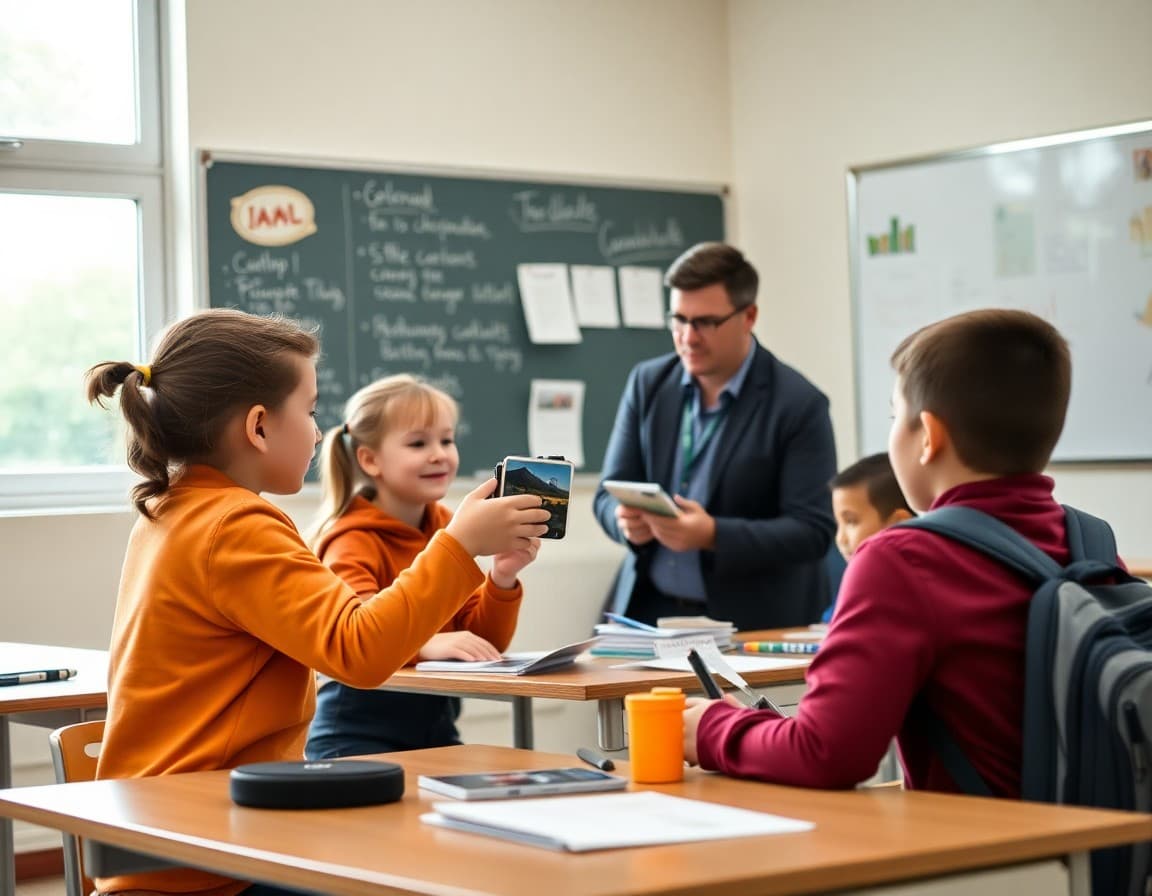
The trip recap newsletter is one of the fastest, highest-impact newsletters you can send. Families who read it know what their child experienced, have a conversation starter ready, and understand that the trip had real academic purpose. It takes twenty minutes to write and creates a genuine connection between school and home. Here is how to write one that does all of that.
Send It the Same Day If Possible
The recap newsletter is most powerful when it arrives before the family conversation about the trip. Ideally, send it the afternoon you return or that evening. When families get your version before their child has given a full account, it sets up a richer conversation. "I already read about what you did at the museum. Tell me about the exhibit you liked best." That timing creates a connection loop that neither the parent nor the student could have had separately.
Describe What Actually Happened
Not a generic summary of the site, but what your class actually did. "We spent the morning in the Colonial America gallery working on our primary source analysis activity, then joined a ranger-led discussion about daily life in 1770. Students were genuinely engaged by the section on colonial children's education, which was hilariously different from today." Specific and real. Families who read this know exactly what their child experienced.
Quote a Student
If you have a memorable student comment or observation from the trip, include it. "One student said at lunch, 'I can't believe they had to learn how to make everything they used. That would take so much time.' That observation is exactly the kind of thinking we are trying to build." You do not need a name unless the student wants to be identified. The quote alone gives families a sense of the thinking happening in their child's class.
Connect It Explicitly to Your Current Unit
A sentence or two on how the trip connects to what you are studying in the classroom positions the trip as academic. "Everything students observed today connects directly to our social studies unit on colonial life. We will reference what we saw at the site throughout the rest of the unit." Families who see the connection are more likely to support the learning at home.
Include a Photo
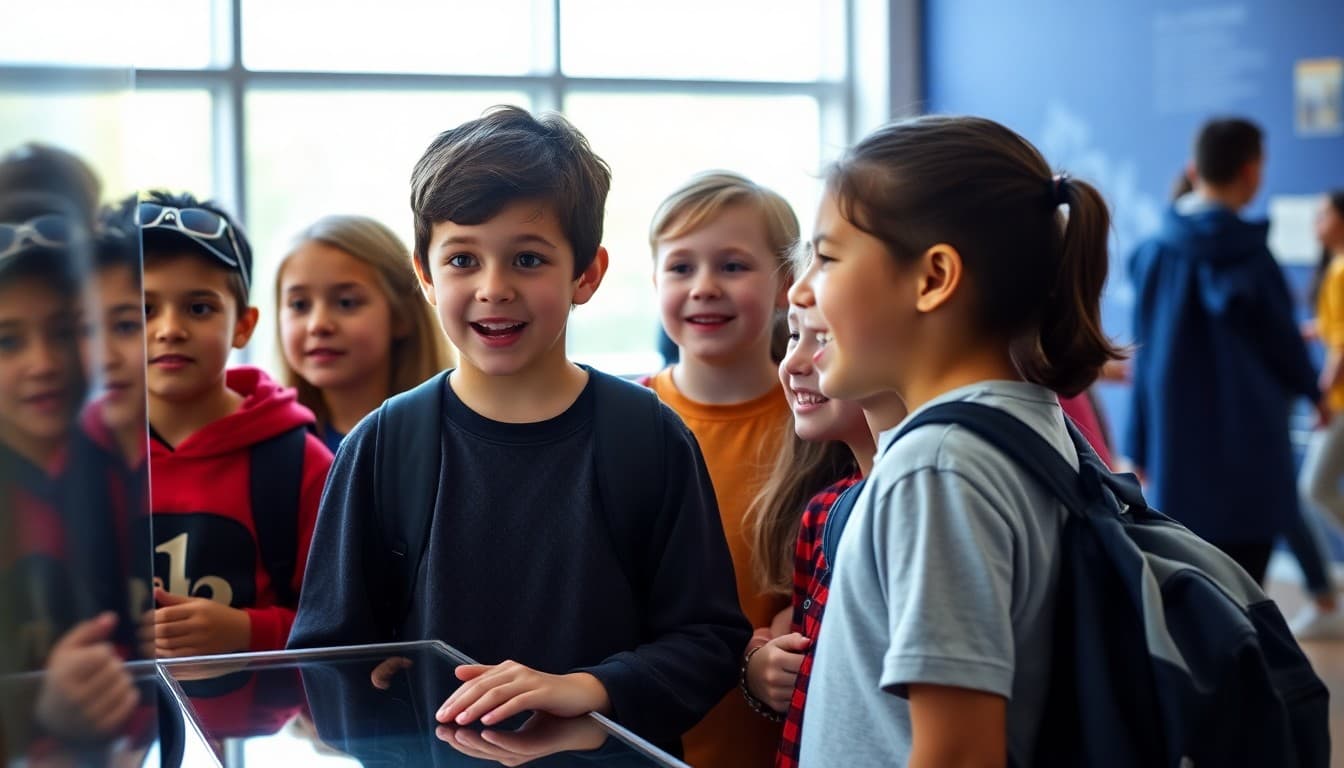
If your media permissions allow it, one good photo makes the recap newsletter come alive. A candid moment from the trip, student work in progress at a museum station, or a group gathered around an exhibit. Not a posed shot, but a real moment. Families who see a photo from the trip have a visual reference for the conversation. That reference makes the conversation richer and more concrete.
Give Families One Conversation Starter
"Ask your child to describe one thing they saw that surprised them." Or: "Ask what they would bring back to show you if they could take one object home." A single specific prompt is better than a list of open-ended questions. Families who use it come back to you with what their child said, which gives you more insight into what landed from the day.
Close With What Comes Next
"We will spend the next two classes connecting what we saw to our research projects. By Thursday, students should have all their primary source notes gathered." That closing keeps the trip from feeling like a one-day event. It is a chapter, not an excursion.
Get one newsletter idea every week.
Free. For teachers. No spam.
Frequently asked questions
Should teachers send a newsletter after a field trip?
Yes. A post-trip newsletter closes the communication loop, gives families conversation starters, and signals that the trip was academic rather than purely recreational. Families who hear about the trip from their teacher understand what their child experienced. Those who only hear from their child get a partial picture.
What should a class trip recap newsletter include?
A brief summary of what students did and saw, the connection to what you are studying in class, a photo if permissions allow, one or two things students said or observed that were memorable, and a prompt for a dinner table conversation families can have with their child.
How long should a class trip recap newsletter be?
Short. Two to four paragraphs maximum. A photo if you have one. The recap newsletter is a window into the experience, not a documentary. Families read it in two minutes and use it to start a conversation. That is the whole job.
What if something went wrong on the trip?
Acknowledge it briefly and matter-of-factly if it was minor. 'We got some unexpected rain in the afternoon, but students handled it well and we finished all our planned activities.' For more significant issues, a direct conversation or phone call is more appropriate than a newsletter.
How does Daystage help with post-field-trip newsletters?
Daystage lets you include a photo gallery, a brief narrative recap, and a conversation starter section in one clean newsletter that families can read and share with their child the same evening the trip happens.

Adi Ackerman
Author
Adi Ackerman is a former classroom teacher and curriculum writer with 8 years in K-8 schools. She writes about school communication, parent engagement, and what actually works in real classrooms.
More for Classroom Teachers
Ready to send your first newsletter?
3 newsletters free. No credit card. First one ready in under 5 minutes.
Get started free