
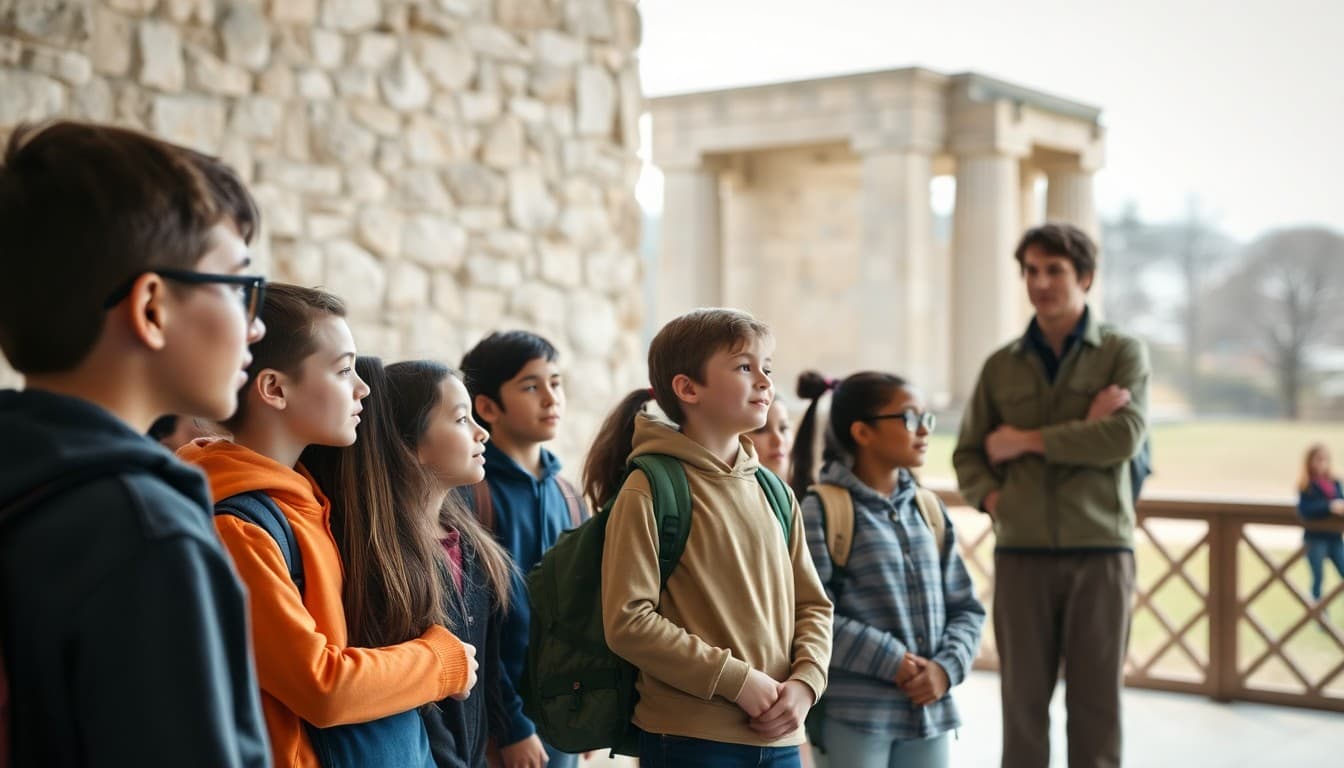
Historical Site Field Trip Newsletter: What Teachers Should Send
Historical site visits are some of the most academically rich field trips available, and also some of the most under-communicated. A newsletter that gives families context for the site, the curriculum connection, and a few vocabulary words turns a day trip into a multi-week learning conversation. Here is how to write one that does that work.
Name the Site and Its Significance
Not every family will know the historical site you are visiting. Give a brief description. "We are visiting Fort Garrison, a mid-19th century fortification that played a significant role in the Civil War. The fort is a National Historic Landmark with original buildings and a small museum." Two sentences. Now every family knows where you are going and why it matters, regardless of their own history knowledge.
Connect to Your Unit Explicitly
Make the curriculum link obvious. "We are currently studying the Civil War period in social studies. Fort Garrison will let us see primary source artifacts, walk through the actual spaces where historical events happened, and hear from a National Park Service ranger about the site's history." That connection is what separates a meaningful field trip from a fun day off. Families who understand it are better equipped to support the learning.
Approach Sensitive History Directly
Historical sites often cover complicated, painful history. If your site involves slavery, war, Indigenous history, or other difficult content, address it in your newsletter. "We will encounter some difficult history on this trip. I will prepare students in class before we go and handle these topics with age-appropriate honesty and care. If you have questions about how I approach this content, please reach out." Families appreciate transparency, and this removes the potential for a student arriving home with a distressing account that their parents had no context for.
Logistics and Clothing
Historical sites are often partially or fully outdoors and may involve uneven terrain, gravel paths, or a lot of walking. "Wear comfortable, closed-toe walking shoes. We will be outdoors for most of the day, so dress for the forecast and bring a light layer. Bring a water bottle. Bag lunch applies." If the site has restrictions, like no food near exhibits or no photography in certain areas, note those.
Vocabulary to Know Before You Go
For history trips, a short list of key terms your class has been working with helps families support the pre-trip conversation. Three to five terms, each with a one-sentence definition. This is optional but it gives families who want to engage with the content a concrete way to do so. "We have been working with these terms: fortification, primary source, abolitionist, Reconstruction."
What Students Will Do at the Site
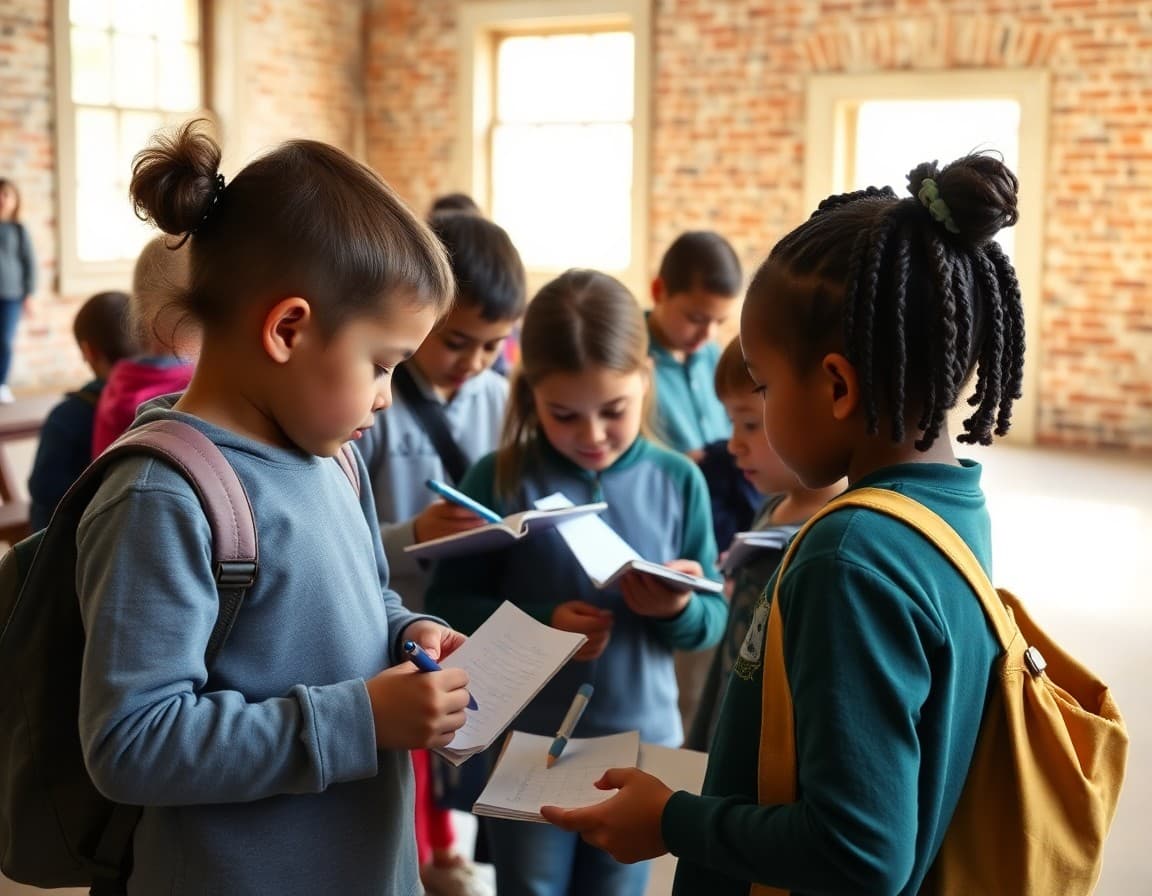
Describe the student activity, not just the site. "Students will complete an observation journal at three stations, participate in a ranger-led discussion, and document two primary source artifacts using our analysis format from class." This tells families that students are active participants, not just tourists walking through.
Post-Trip Learning Anchor
Tell families what happens after. "Students will write a first-person historical account inspired by what they observed at the fort. Ask them what they saw that surprised them or stayed with them." That question alone is worth including because it gives parents a post-trip conversation that goes deeper than "it was okay."
Get one newsletter idea every week.
Free. For teachers. No spam.
Frequently asked questions
What should a historical site field trip newsletter include?
The site name and its significance, how it connects to your current history or social studies unit, trip logistics including weather considerations for outdoor sites, what students will be doing at the site, and how families can extend the learning at home afterward.
How much historical context should I include in the newsletter?
Enough to orient families who may not know the site, but not so much that it becomes a history lesson for parents. Two or three sentences explaining the site and its connection to what students are studying is the right amount. If families want to learn more, they can look it up.
What if the historical site covers sensitive history like slavery, war, or Indigenous displacement?
Acknowledge it directly in the newsletter. 'This site includes difficult history that we will approach with honesty and care. I will give you context before the trip on how I plan to handle these conversations in an age-appropriate way.' Families appreciate the heads-up and it prevents difficult conversations from catching anyone off guard.
Are there good pre-visit resources I should point families to?
If the historical site has a website or teacher preview materials, link to them. One or two resources maximum. A family who wants to preview the site with their child before the trip is an asset to your post-trip conversation.
How can Daystage help me communicate a history field trip?
With Daystage you can send a newsletter that includes a curriculum context block, logistics summary, and a pre-visit vocabulary list so families feel informed and prepared rather than receiving a plain logistics email.

Adi Ackerman
Author
Adi Ackerman is a former classroom teacher and curriculum writer with 8 years in K-8 schools. She writes about school communication, parent engagement, and what actually works in real classrooms.
More for Classroom Teachers
Ready to send your first newsletter?
3 newsletters free. No credit card. First one ready in under 5 minutes.
Get started free