
Teacher Newsletter for Cinco de Mayo: Teach the Real History
Cinco de Mayo is one of the most commonly misrepresented holidays in American school celebrations. A newsletter that teaches the actual history, corrects the most persistent misconceptions, and grounds any classroom activities in genuine cultural context serves students far better than a craft project disconnected from what the day actually marks.
State What Cinco de Mayo Actually Commemorates
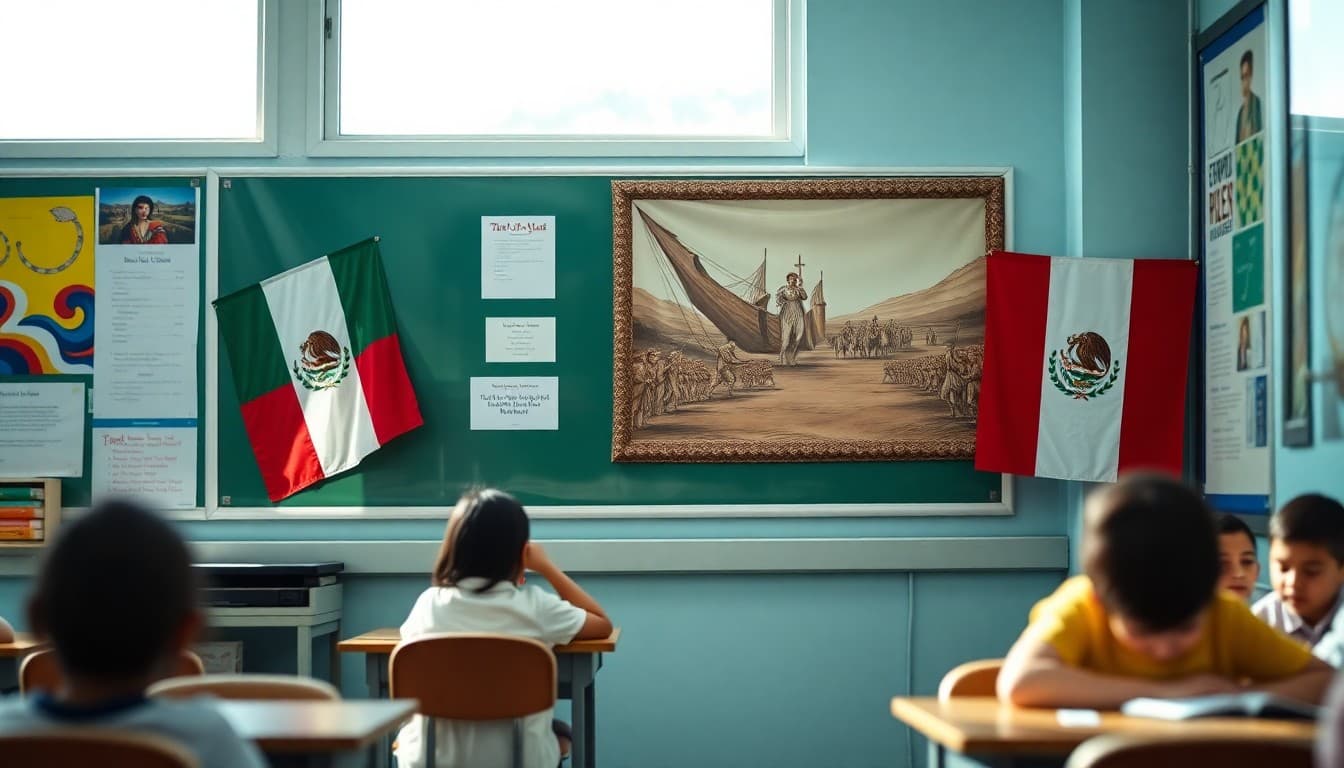
Cinco de Mayo marks the Mexican army's victory over French imperial forces at the Battle of Puebla on May 5, 1862. France, under Napoleon III, was attempting to establish a European empire in the Americas by occupying Mexico. An outnumbered and undersupplied Mexican force defeated the French army, temporarily halting the invasion. The victory was militarily and symbolically significant, demonstrating that a smaller nation could resist a major European power. That is the historical event the day marks.
Correct the Most Common Misconception
Cinco de Mayo is not Mexican Independence Day. Mexican Independence Day is September 16, marking Mexico's declaration of independence from Spain in 1810. Cinco de Mayo is also not a major national holiday in Mexico outside the state of Puebla. It is observed more broadly in the United States, where it has become a celebration of Mexican and Mexican American culture and heritage. The newsletter can state this correction matter-of-factly without embarrassment.
Connect to Mexican American History
In the United States, Cinco de Mayo has grown into a broader recognition of Mexican American contributions to American culture, history, and society. The holiday is an opportunity to learn about the Mexican American community's role in building the American Southwest, in labor movements, in the arts, in science, and in public life. A lesson that moves from the Battle of Puebla to contemporary Mexican American contributions gives students a connected, living picture of history.
Describe the Classroom Learning
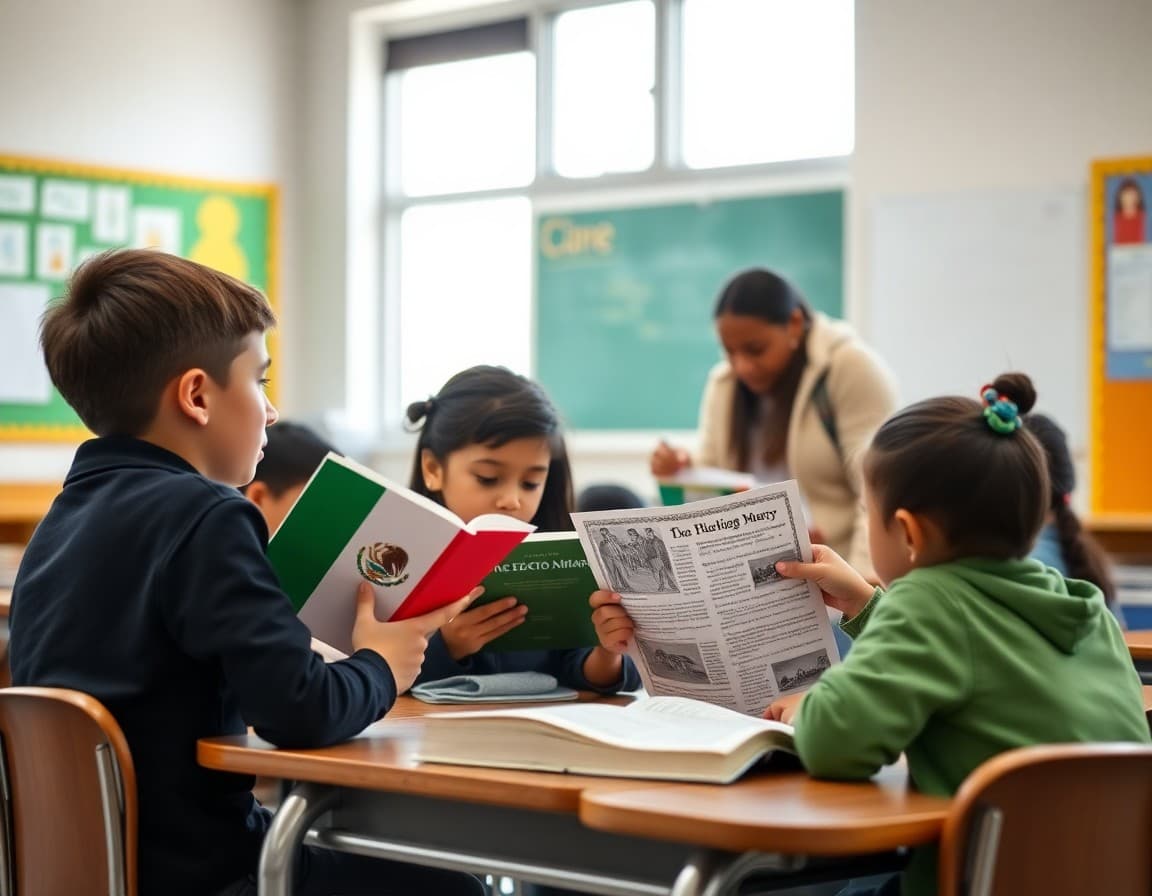
Name what students will do: a read-aloud about the Battle of Puebla, a discussion of Mexican American history, an introduction to Mexican art or music, or a cooking activity that connects to Mexican culinary traditions. Framing each activity in its historical and cultural context helps families understand why their child is making a specific craft or learning a specific song, which makes the learning more meaningful when it comes up at home.
Invite Mexican American Families to Contribute
Families with Mexican heritage may have stories, recipes, music, photographs, or objects connected to their family's history that they are willing to share. An open, no-pressure invitation in the newsletter is often all it takes. Community-contributed knowledge makes the learning more accurate and signals that Mexican American families are welcome contributors to the classroom curriculum, not just subjects of it.
Close with a Genuine Celebration
Cinco de Mayo is a story of determination, solidarity, and national pride. The classroom celebration can be genuinely joyful and culturally rich when it is grounded in accurate history. Using Daystage, you can close the newsletter with a brief, enthusiastic note about what the class will enjoy together and why this particular piece of history is worth learning and celebrating.
Get one newsletter idea every week.
Free. For teachers. No spam.
Frequently asked questions
What is Cinco de Mayo and what should the newsletter explain?
Cinco de Mayo marks the Mexican army's victory over French forces at the Battle of Puebla on May 5, 1862. It is not Mexican Independence Day (which is September 16) and is not a widely observed national holiday in Mexico. In the United States, it has become a broader celebration of Mexican and Mexican American culture. The newsletter should explain the actual history before describing any classroom activities.
Why is accurate Cinco de Mayo teaching important?
Cinco de Mayo is one of the most commonly misrepresented holidays in American schools. Teaching it as Mexican Independence Day or primarily as a food-and-costume celebration misrepresents Mexican history and can feel dismissive to Mexican American students and families. Accurate teaching is both more respectful and more educational.
How do I celebrate Cinco de Mayo without it being superficial?
Lead with the historical event: the Battle of Puebla, its military and political significance, and why an outnumbered Mexican force's victory mattered. Connect to broader Mexican American history and contemporary culture. Invite Mexican American families to contribute to the classroom learning. Food and crafts can be part of the celebration if they are grounded in accurate cultural context.
What if Cinco de Mayo is near the end of the school year and feels rushed?
A short, accurate introduction that corrects the most common misconceptions is better than an elaborate but inaccurate celebration. Two accurate things students know about Cinco de Mayo are worth more than ten inaccurate ones. The newsletter helps families reinforce the accurate version at home.
What tool helps teachers send newsletters efficiently?
Daystage makes Cinco de Mayo newsletters easy to produce with the historical context and classroom activity description that families need before the school day, so students arrive already knowing what the holiday actually marks.

Adi Ackerman
Author
Adi Ackerman is a former classroom teacher and curriculum writer with 8 years in K-8 schools. She writes about school communication, parent engagement, and what actually works in real classrooms.
More for Classroom Teachers
Teacher Newsletter for Day of the Dead: Honor the Tradition Respectfully
Classroom Teachers · 6 min read
Teacher Newsletter for Cultural Holidays: Celebrate Diversity in the Classroom
Classroom Teachers · 6 min read
Teacher Newsletter for Mardi Gras: Teach the Culture Behind the Celebration
Classroom Teachers · 6 min read
Ready to send your first newsletter?
3 newsletters free. No credit card. First one ready in under 5 minutes.
Get started free