
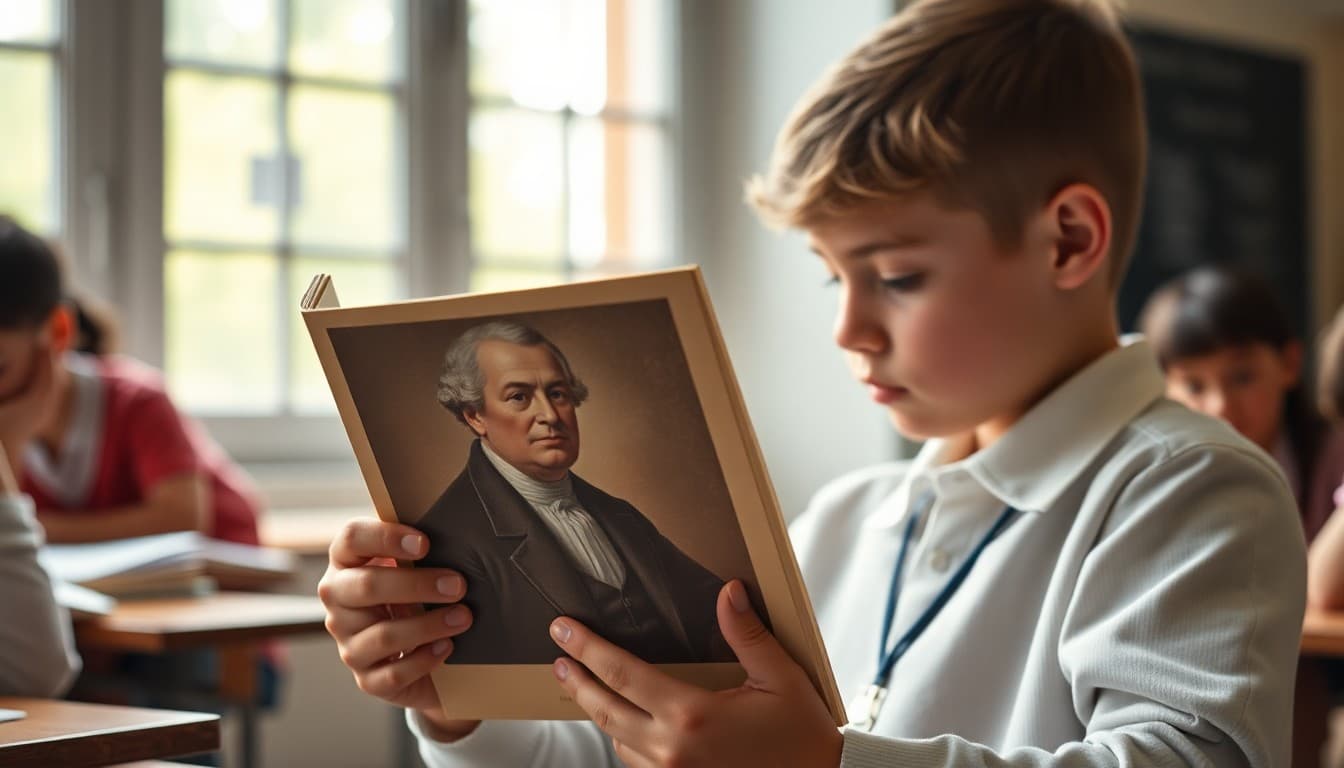
Teacher Newsletter for Biography Reading: Inspiring Students Through Real Lives
Biography reading does something no other genre quite matches: it shows students that real people, who had fears and failures and doubts like anyone else, changed the world. The right biography at the right age can reframe a student's sense of what is possible. A newsletter that brings families into the reading gives that experience a second life at home, where it can deepen even further.
Introduce the biography genre and its distinct features
Biography is written nonfiction focused on one person's life, drawn from research: primary sources, interviews, documents, and archives. Unlike textbook summaries, a well-written biography uses narrative techniques to bring the subject to life. Students who understand this read differently. They look for how the author interprets the evidence and how the narrative choices shape the portrait of the person.
Name the figures students are reading about
Tell families who the subjects are and why you chose them. Your reasoning gives students context for the selection and helps families understand the connection to your curriculum. "We are reading about Frederick Douglass because his life illuminates the period we are studying and because his story of self-education is directly relevant to what we discuss every day in class" is a rationale that parents respect.
Explain the skills biography reading develops
Biography develops multiple strands simultaneously. Comprehension of complex chronological narrative. Evaluation of how authors use evidence and perspective. Understanding of historical context. Empathy through the sustained experience of another person's life. These are all transferable skills. Name them in the newsletter so parents see the academic substance behind what looks like a biography report.
Connect the subject to students' lives and interests
The most powerful biography reading happens when students see themselves in the subject, or see the subject as someone they want to become. When assigning or suggesting biography reading, help families look for subjects connected to their student's interests. A student who loves soccer reading about a legendary player reads differently than a student assigned a random historical figure. Give families this lens so they can guide home reading choices.
Provide discussion questions for home conversations
Questions that work well across any biography: What obstacle in this person's life seemed impossible to overcome? What do you think they were most afraid of? Where do you see their values in their decisions? What would you have done if you were them? These questions build empathy, analytical thinking, and the habit of reading about real lives as sources of insight rather than just information.
Describe the project or assessment connected to the reading
If students are writing a report, creating a poster, doing a living wax museum presentation, or producing some other output based on their biography reading, tell families in advance. The specifics matter: what is the format, what are the requirements, when is it due, and what kind of help is appropriate from home. Clear expectations prevent both confusion and over-involvement.
Recommend biography reading beyond the classroom
Every biography unit should end with an invitation to continue. Point families toward a biography section at the library, a series like the "Who Was" books for younger students, or a more ambitious title for older readers. Students who develop a habit of reading biography will have access to mentors across time that no career counselor can replicate.
Get one newsletter idea every week.
Free. For teachers. No spam.
Frequently asked questions
What should I include in a biography reading newsletter?
Explain what biography is as a genre, who students are reading about and why you chose those figures, what comprehension and analytical skills the unit develops, how families can support biographical research at home, and any project or presentation connected to the reading.
How is biography different from other nonfiction genres?
Biography focuses on a single person's life, written by someone else, drawing on sources like letters, interviews, and documents. Autobiography is written by the person themselves. Memoir focuses on a specific period rather than a whole life. These distinctions matter for how students read and analyze the text.
How can families extend biography reading at home?
Visit a library and find a biography of someone the student is curious about. Watch a documentary about a historical figure. Look up a person from the student's own interest area, whether sports, science, music, or art. The best biography reading happens when students choose subjects they actually care about.
What discussion questions work well for biography reading?
What challenge did this person face that seemed impossible to overcome? What do you think made them keep going? What would you have done differently in their position? These questions develop empathy, historical thinking, and analytical reasoning.
Can Daystage help me share biography unit updates and celebrate student reading?
Yes. Daystage lets you share what students are reading, include images with permission, and build a series of newsletters across the unit that keep families connected to what students are learning.

Adi Ackerman
Author
Adi Ackerman is a former classroom teacher and curriculum writer with 8 years in K-8 schools. She writes about school communication, parent engagement, and what actually works in real classrooms.
More for Classroom Teachers
Teacher Newsletter for Memoir Unit: Personal Memory as Literature in the Classroom
Classroom Teachers · 6 min read
Teacher Newsletter for Nonfiction Unit: Helping Families Support Informational Reading
Classroom Teachers · 6 min read
Teacher Newsletter for Author Study: Connecting Families to the Reading Unit
Classroom Teachers · 6 min read
Ready to send your first newsletter?
3 newsletters free. No credit card. First one ready in under 5 minutes.
Get started free