
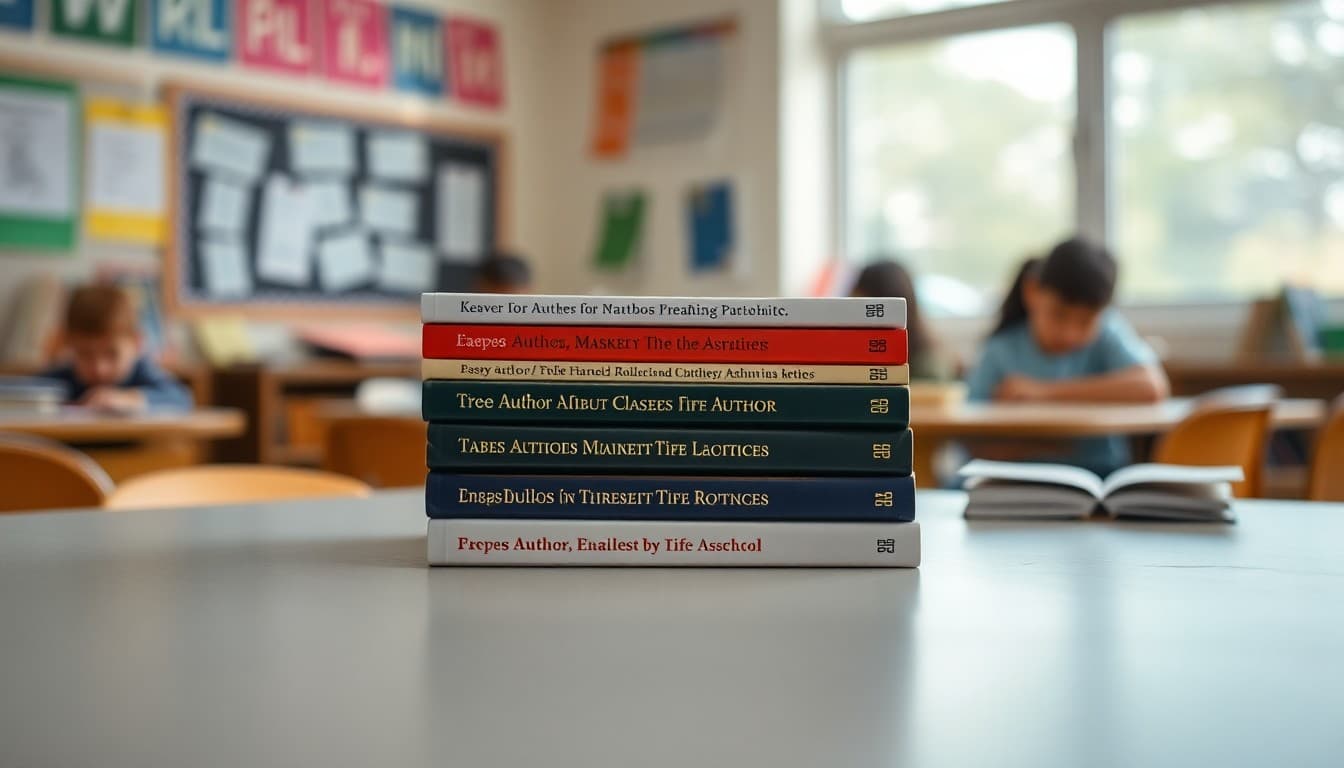
Teacher Newsletter for Author Study: Connecting Families to the Reading Unit

Author studies are some of the richest literacy units you can teach. Spending time with one writer's full body of work develops pattern recognition, critical thinking, and a genuine relationship with literature that random read-alouds cannot build. A newsletter that brings families into the study adds a layer of home conversation that compounds the classroom learning significantly.
Introduce the author with genuine enthusiasm and context
Do not just name the author. Tell families who this person is, what makes their work distinctive, and why you find them compelling enough to study for several weeks. "Mo Willems writes books that look simple on the surface but contain sophisticated timing, emotional nuance, and genuine humor that rewards close reading" is an introduction that makes parents want to pick up the books themselves.
Name the specific books included in the study
List the titles students will encounter. This helps parents recognize what their student is talking about at home, pull a library copy for a sibling, or preview a book they want to discuss together. A book list is always practical and never takes long to write.
Explain the literary skills you are targeting
An author study is not just recreational reading. Tell parents what lens students are applying: theme, character development, narrative structure, figurative language, author's purpose. "We are using this author's work to practice identifying how setting influences character decisions" gives families a meaningful frame for the conversations their students bring home.
Share interesting background about the author
Authors who are interesting people make for more engaged readers. A brief note about the author's life, what inspired their work, or what they have said about writing in interviews adds texture to the study. If there is a short video interview or author website worth sharing, include a link. Students who know something about the person behind the books read differently.
Give families a comparison prompt for home discussion
One of the most valuable things parents can do during an author study is talk about patterns. Give them a prompt. "Ask your student: what do you notice about how this author always starts their stories? What topics does this author keep coming back to? Why do you think that is?" These questions mirror what students are doing in class and extend the thinking into the evening.
Update families as the study progresses
A mid-unit newsletter note that says "students are noticing that this author always uses a specific type of ending" shows families the analytical work happening in class. It is also a cue for parents to ask their student about it specifically, which produces much better conversation than "how was school today."
Close the study with student insights and reflections
In your final author study newsletter, share some of what students said or wrote about the author, with their permission. Real student analysis is the best evidence you can offer of meaningful learning. It also makes students proud to see their thinking featured and gives them a sense of completion that casual reading does not provide.
Get one newsletter idea every week.
Free. For teachers. No spam.
Frequently asked questions
What should I include in an author study newsletter?
Cover which author you are studying, why you chose them, what books are included, what literary skills you are targeting through the author's work, and how families can extend the study at home by finding more books or looking up author interviews together.
How do I explain why a specific author was chosen?
Be specific. 'We are studying Patricia Polacco because her books draw heavily on personal memory and family history, which connects directly to our personal narrative writing unit' is far more compelling than 'this is our author of the month.' Purpose-driven explanations increase family engagement.
What are good home extension activities for an author study?
Finding a library book by the author not covered in class, watching an author interview video together, comparing how the family's own stories connect to the author's themes, and asking students to explain their favorite title from the study are all accessible and engaging options.
How do I handle it if a parent doesn't like the chosen author?
Acknowledge that books are subjective in your newsletter without being defensive. Explain the learning goals driving the choice. Then redirect to the skill, not the content: understanding how an author creates characters, uses setting, or builds theme is the point, regardless of whether every adult loves every book.
Does Daystage let me include book cover images or author photos in the newsletter?
Yes. Daystage supports image uploads so you can include visuals that make the newsletter more engaging and help families immediately recognize the author and books being studied.

Adi Ackerman
Author
Adi Ackerman is a former classroom teacher and curriculum writer with 8 years in K-8 schools. She writes about school communication, parent engagement, and what actually works in real classrooms.
More for Classroom Teachers
Teacher Newsletter for Genre Study: What to Tell Families About Literary Genres
Classroom Teachers · 6 min read
Teacher Newsletter for Novel Study: Keeping Families Connected to the Book
Classroom Teachers · 6 min read
Teacher Newsletter for Biography Reading: Inspiring Students Through Real Lives
Classroom Teachers · 6 min read
Ready to send your first newsletter?
3 newsletters free. No credit card. First one ready in under 5 minutes.
Get started free