

How to Explain Your Classroom Bathroom Policy in the Teacher Newsletter
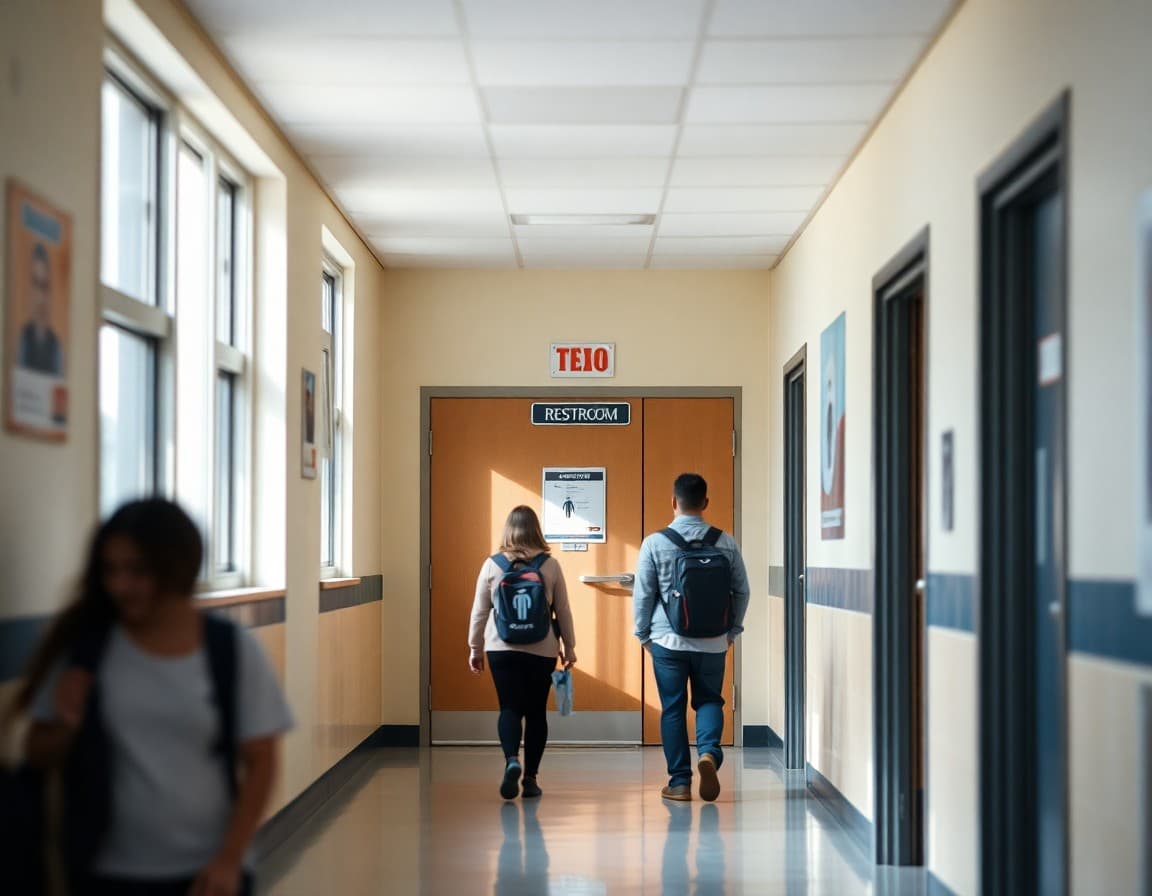
The bathroom policy generates more family concern than almost any other classroom procedure. Not because it is usually unreasonable, but because students report it home incompletely. "My teacher won't let me go to the bathroom" is a child's summary of a policy that almost certainly has more nuance than that. A newsletter that explains the full policy, including when it applies and when it does not, prevents that summary from becoming the family's primary frame for your classroom.
Explain the policy in plain terms without defensive framing
A confident explanation is more reassuring than a defensive one. "Students in our classroom use the restroom during transitions, passing periods, and designated bathroom times. During direct instruction, I ask students to wait unless the need is urgent. I do this because instructional time is limited and bathroom trips during lessons are disruptive for the student and for everyone around them." That explanation is calm, clear, and complete. It invites no argument because it is not arguing.
Assure families that genuine urgency is always accommodated
The concern families have about bathroom policies is almost always whether their student would be denied access in a true emergency. Address this directly. "No student in my classroom has ever been denied restroom access in a genuine emergency. If a student cannot wait, they do not wait. The policy applies to routine requests, not to situations where a student is in discomfort or has a medical need." That assurance resolves the most common concern before families have to ask.
Describe the procedure for routine bathroom requests
Practical procedure descriptions prevent confusion. "Students who need a routine bathroom break raise their hand with two fingers, which is our signal. If we are in the middle of instruction I will either acknowledge them immediately or nod to let them know I see them. The usual wait is less than two minutes." A procedure that is described specifically sounds more reasonable than one that is left vague.
Address medical accommodations clearly
Students with documented medical conditions that affect bathroom access should have individual plans. Note in the newsletter that accommodations exist without identifying specific students. "Any student with a documented medical need has an individual plan that is not subject to the classroom bathroom schedule. If your student has a condition that should be considered, please contact me so we can create an appropriate accommodation."
Note how the policy connects to bathroom habits and self-regulation
For older students especially, the bathroom policy is connected to broader self-regulation goals. "Part of what we work on in fourth grade is learning to plan for basic needs during the parts of the day designated for them. This is a practical life skill. Students who practice it in our classroom are building a habit they will use in every class they take going forward." That framing connects a procedural policy to a developmental goal, which is more meaningful to families than a simple statement of rules.
Invite families to discuss any concerns directly
A brief invitation at the end of the bathroom policy section disarms potential escalation. "If your student has mentioned concerns about the bathroom policy or if you have questions about how it works in practice, please email me. I am always open to talking through individual situations." Families who feel heard before they are frustrated rarely become the families who are impossible to satisfy later.
Daystage newsletters that include classroom procedure sections at the start of the year reduce the volume of procedural questions throughout the rest of the year. Families who have the information do not need to seek it out.
Get one newsletter idea every week.
Free. For teachers. No spam.
Frequently asked questions
Why do families often have concerns about classroom bathroom policies?
Because students report bathroom policies at home in ways that can sound more restrictive than they are. 'The teacher said I can't go to the bathroom' is the student's report of a more nuanced policy. A newsletter that explains the policy in full prevents the concern from escalating based on an incomplete account.
What should a bathroom policy newsletter include?
When bathroom breaks are and are not permitted during instruction, how students request a bathroom break, what to do if a student has an urgent need, how medical accommodations are handled, and an assurance that no student will be denied access to a restroom in a genuine emergency.
How do I set bathroom boundaries without being seen as harsh?
Lead with the educational rationale and acknowledge that student wellbeing is always the priority. Policies that limit bathroom breaks during direct instruction are about protecting learning time, not denying basic needs. A newsletter that explains both the policy and the exceptions demonstrates that the policy is reasonable.
Should I mention the bathroom policy at the start of the year even if there is no controversy?
Yes. Including it in the start-of-year procedures section of your newsletter prevents the issue from ever becoming controversial. Families who receive the explanation early find the policy unremarkable. Families who first hear about it after their student reports a concern respond very differently.
Can Daystage help teachers send clear classroom procedure newsletters?
Yes. A Daystage newsletter with a well-organized procedures section covers bathroom policy alongside other classroom expectations in a format families can reference throughout the year.

Adi Ackerman
Author
Adi Ackerman is a former classroom teacher and curriculum writer with 8 years in K-8 schools. She writes about school communication, parent engagement, and what actually works in real classrooms.
More for Classroom Teachers
Explaining Your Hall Pass Policy to Families in the Teacher Newsletter
Classroom Teachers · 6 min read
How to Write a Classroom Rules Newsletter to Parents That Builds Buy-In
Classroom Teachers · 6 min read
Explaining the Attendance Policy to Families in Your Teacher Newsletter
Classroom Teachers · 6 min read
Ready to send your first newsletter?
3 newsletters free. No credit card. First one ready in under 5 minutes.
Get started free