

Explaining the Attendance Policy to Families in Your Teacher Newsletter
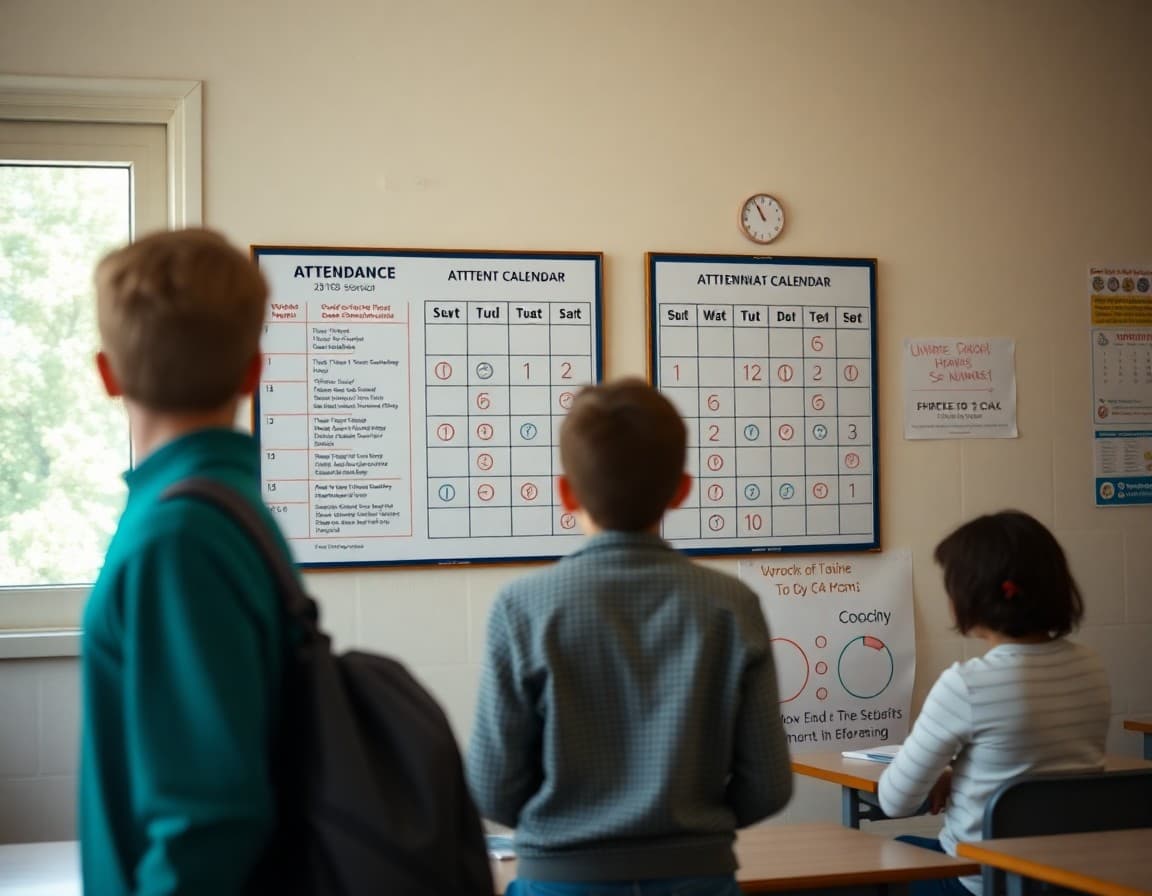
The attendance policy affects every family and every student. When families do not understand it, they make absence decisions based on incomplete information, sometimes pulling students out for non-urgent reasons that turn out to have consequences, and sometimes feeling guilty about necessary medical absences they did not need to worry about. A clear newsletter explanation removes the ambiguity from both directions.
Start with the educational case for attendance
Families who understand why attendance matters are more motivated than families who fear the consequences of missing school. "Learning in our classroom is cumulative. What we do on Tuesday builds on what we did on Monday. A student who misses two or three days per month is working with gaps that are increasingly hard to fill. The best thing a family can do for academic performance in a given year is show up consistently." That framing is more persuasive than citing the district attendance policy because it is about the student, not about compliance.
Explain the absence reporting procedure clearly
Families need to know exactly how to report an absence and within what timeframe. "If your student will be absent, please call the main office attendance line at [number] by 8 a.m. or email me directly. Absences not reported by 9 a.m. generate an automated call home, which you can avoid by reporting early." Practical specifics make a policy actionable rather than abstract.
Explain the difference between excused and unexcused absences
Many families do not know what makes an absence excused or unexcused and are surprised when a doctor visit is treated differently from a family vacation. "Excused absences include illness with a doctor's note, family emergencies, and religious observances. Unexcused absences include family trips that fall outside of school vacation periods. The distinction matters for your student's official attendance record. Please contact the office if you are unsure whether a specific absence would be excused."
Describe what happens at attendance thresholds
Families who know at what point attendance becomes a formal concern can make more informed decisions about discretionary absences. "District policy requires a meeting with the attendance coordinator once a student reaches eight unexcused absences in a semester. I am required to notify the office once a student reaches five. I will contact you directly at three unexcused absences to check in and problem-solve before any formal process begins." That sequence shows families you are a partner in the process rather than an enforcer.
Give families a process for planned absences
Families who plan a trip or absence in advance are easier to support than families who do not tell you until after. "If you know about an absence at least a week in advance, please email me with the dates. I can provide assignments or readings for those days that your student can complete before or after. Last-minute makeup plans are harder to arrange and less effective for the student." A clear advance notice procedure benefits everyone.
Make the information findable beyond the newsletter
The attendance policy newsletter should link to the full district attendance policy and the school handbook attendance section. Families who want more detail or need to reference the policy for a specific situation should be able to find it easily. Include the office attendance line phone number and your email address so families can follow up directly.
Daystage is a reliable tool for sending an attendance policy newsletter at the start of the year and revisiting it before breaks. Families who understand the policy make better decisions throughout the year.
Get one newsletter idea every week.
Free. For teachers. No spam.
Frequently asked questions
What should a teacher newsletter about attendance policy include?
How to report an absence, what excused and unexcused absences mean, how many absences trigger a review or concern, what happens to missed work, and how the family can communicate about planned absences in advance. Cover the practical steps first and the policy thresholds second.
When is the best time to share attendance policy information in a newsletter?
At the start of the school year, before long school breaks when families may plan trips that extend beyond the break, and at the start of the second semester. Proactive communication means families know the policy before they are in a situation where it applies.
How do I explain the attendance policy without sounding threatening?
Lead with the educational impact of attendance rather than the consequences of poor attendance. 'Every day in our classroom builds on the one before. Students who miss regularly find it harder to keep up because the learning is cumulative.' The consequence framing is less motivating than the learning-impact framing.
What should I tell families about planned absences?
Give them a clear process. 'If you know about an absence in advance, please email me as soon as possible. I can send home materials for the days the student will miss and arrange make-up work in a way that is manageable.' Families who have a process are more likely to communicate proactively than families who are not sure what to do.
Can Daystage newsletters help teachers communicate attendance expectations?
Yes. A Daystage newsletter is an effective and professional way to explain attendance policy at the start of the year and revisit it when relevant during the school year.

Adi Ackerman
Author
Adi Ackerman is a former classroom teacher and curriculum writer with 8 years in K-8 schools. She writes about school communication, parent engagement, and what actually works in real classrooms.
More for Classroom Teachers
Ready to send your first newsletter?
3 newsletters free. No credit card. First one ready in under 5 minutes.
Get started free