
How to Write an Art Gallery Night Newsletter to Families
Art gallery night newsletters do something different from most event communication. They are not just about logistics. They are about building the kind of anticipation and reverence for student creative work that makes the evening feel like a real cultural event rather than a parent meeting with drawings on the walls. The newsletter is where that feeling starts.
Open with the art itself
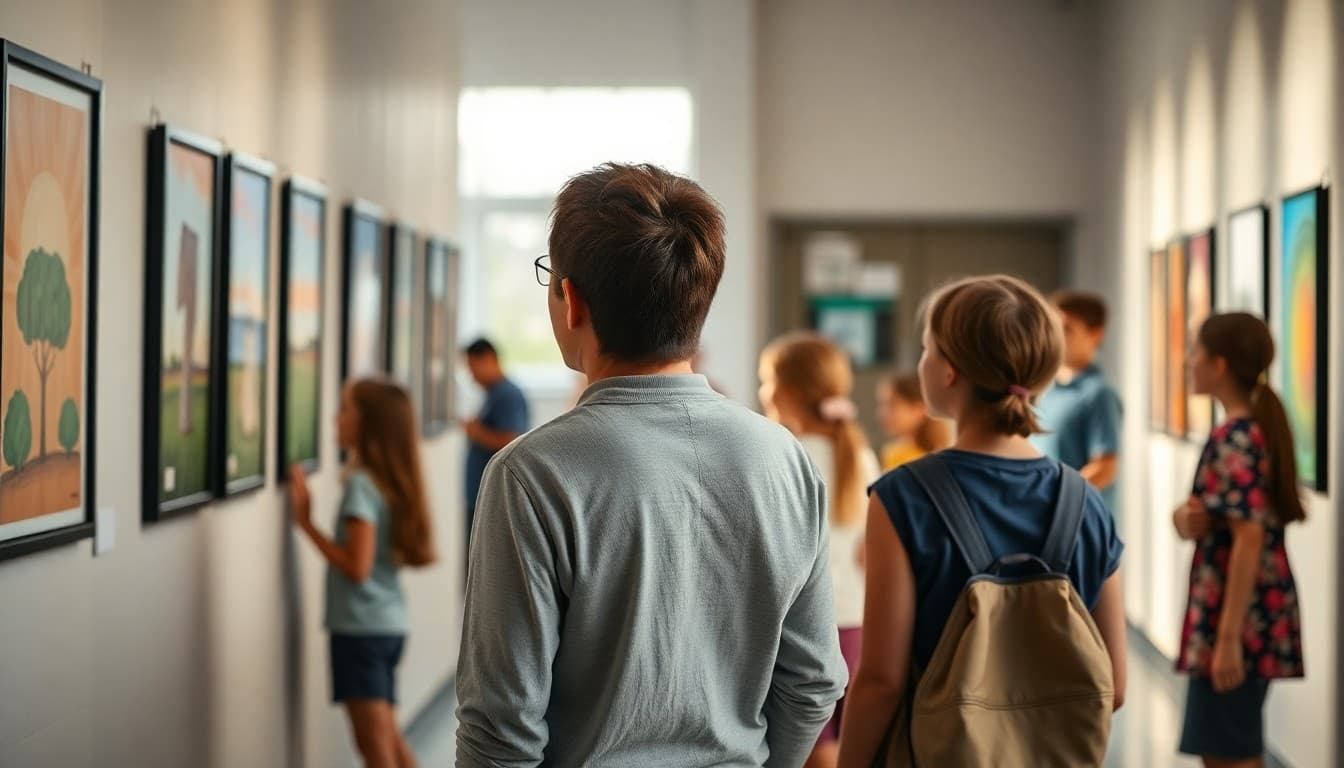
Start by describing what families will see. What medium did students work in? Watercolor, collage, sculpture, digital illustration, oil pastel, printmaking? What concept or technique were students developing? What artistic movement or style did the unit explore? A specific, descriptive opening that treats the work as real art sets a tone that says this gallery is worth attending. That framing starts in the newsletter.
Explain the learning behind the work
Families who understand what students were working toward when they made the art appreciate it differently. Tell them what skills and concepts the unit developed. Color theory. Composition. Perspective. Observational drawing. Expressing emotion through image. Families who come in knowing that every piece represents deliberate creative problem-solving look at the work differently than families who see finished projects without context.
Give families conversation starters
Art gallery conversations can be awkward if families do not know what to say beyond "that's beautiful." Give them specific questions to ask their student and to ask other students as they walk through the gallery. "Tell me about the choices you made here." "What was the hardest problem to solve?" "What are you most proud of?" These questions create genuine dialogue and honor the creative process rather than just the product.
Describe the event format and layout
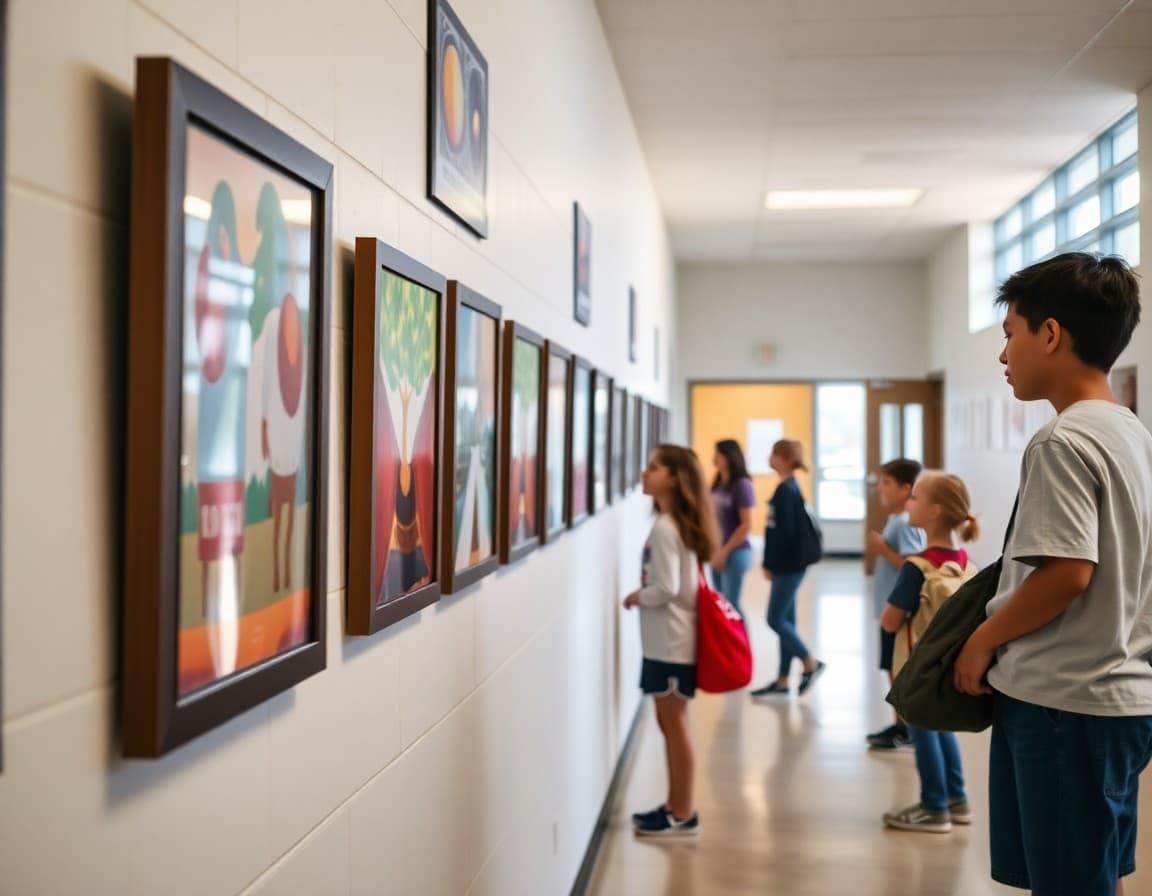
Walk families through what the evening looks like. Is work hung on walls? Displayed on tables? Organized by class or medium? Will students be present to discuss their work? Is there a program or artist statement for each piece? Will there be refreshments? Practical details help families plan and set expectations for how the evening flows.
Help families find their student's work
This sounds minor but matters: tell families how to locate their student's specific work in the gallery. Is it labeled with names? Organized by classroom? Is there a map of the gallery? Families who spend the first twenty minutes searching for their child's piece often arrive to the conversation frustrated rather than excited. A simple description of how the gallery is organized saves everyone time.
Address the vulnerability of displaying creative work
Some students feel exposed by having their art on display for others to see and evaluate. A brief note in your newsletter can prepare families for this and suggest supportive language. Focus on the effort and the creative decisions rather than comparing to other work. A student who hears that their family is proud of the process, not just the product, feels safer about creative vulnerability.
Follow up with photos after the event
After art gallery night, a brief newsletter with photos of the displays gives families who could not attend a view of the gallery experience and gives contributing families another moment of recognition for their student's work. The follow-up closes the loop in a way that honors the effort students put in.
Daystage makes it easy to send the gallery invitation and the post-event photo recap through the same platform so the full arc of the experience stays connected for families from invitation to celebration.
Get one newsletter idea every week.
Free. For teachers. No spam.
Frequently asked questions
What should an art gallery night newsletter include?
The event date, time, and location; what artwork will be on display and the medium or technique used; how to find their child's work; any reception or refreshments; whether there is a program or artist statement from students; and a note about the skills students developed through the art-making process.
How do I help families engage meaningfully with student artwork beyond just looking?
Give families specific conversation starters they can use with their student and with other students' work. 'Tell me about the choices you made here.' 'What was the hardest part to get right?' 'What would you do differently?' These questions turn a gallery walk into a meaningful conversation about creative process.
What if a student is embarrassed about their artwork?
Your newsletter can gently prepare families for this by noting that some students feel vulnerable about displaying their creative work and suggesting that families focus on process and effort rather than comparison to other work. A student who hears 'I can see how hard you worked on this' responds differently than one who hears 'this is so much better than the other kids'.'
How do I connect art gallery night to curriculum in the newsletter?
Describe the technique, medium, or art concept students worked on and the skills it developed. Observation, perspective, color theory, spatial reasoning, creative expression. Families who understand the learning behind the art value the event more than those who see it as a display of finished products.
What tool helps teachers communicate about art gallery events?
Daystage makes it easy to send an art gallery invitation with event details and a follow-up with photos from the evening so families who could not attend still get to see their student's work celebrated.

Adi Ackerman
Author
Adi Ackerman is a former classroom teacher and curriculum writer with 8 years in K-8 schools. She writes about school communication, parent engagement, and what actually works in real classrooms.
More for Classroom Teachers
Ready to send your first newsletter?
3 newsletters free. No credit card. First one ready in under 5 minutes.
Get started free