

How to Write a Biography Project Newsletter to Families
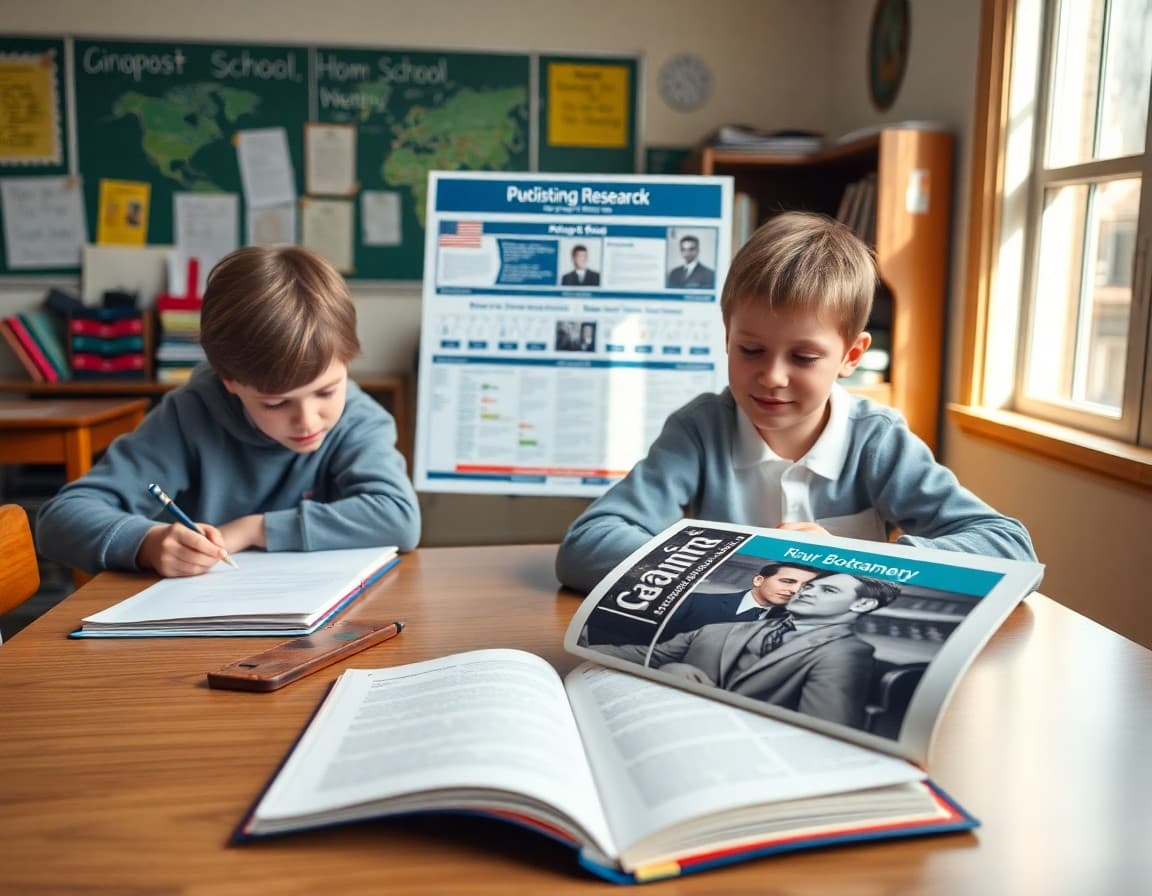
Biography projects are one of those assignments that combine real research skills, meaningful writing, and personal connection to a subject in ways that produce some of a student's best work all year. A well-written launch newsletter gives families the information they need to support without taking over, builds excitement about the subject-choice process, and ensures no one is surprised by the timeline or presentation expectations.
Explain the learning goals first
Before diving into logistics, tell families what skills this project develops. Research skills, source evaluation, note-taking, synthesis, organization, narrative writing, and public speaking. Families who understand the full scope of what students are practicing through a biography project treat it as serious academic work rather than a one-dimensional report. The learning rationale matters.
Walk through the subject selection process
Subject choice is often the first place families get involved, and it benefits from guidance. Encourage families to have a brainstorming conversation at home about people their student finds genuinely interesting. Starting from curiosity produces better research than starting from availability of library books. Include a few category examples, scientists, athletes, musicians, historical leaders, activists, inventors, to spark ideas without prescribing a narrow list.
Describe the research component
Tell families how students will gather information. Books from the school and public library, approved websites, primary sources where appropriate. Note the minimum and maximum number of sources expected. Families who understand the research expectation can help their student access resources at the library or online without inadvertently narrowing to a single Wikipedia article.
Give a clear project timeline
Break the project into phases with specific deadlines. Subject approval, research notes complete, first draft of written portion, visual display in progress, presentation practice, final due date. Each milestone gives students and families a manageable goal to focus on rather than one enormous end-date that causes everything to pile up in the final week.
Clarify the family support boundary
Be direct about what families can and should not do. Helping brainstorm the subject: yes. Helping locate library books: yes. Listening to the presentation practice: yes. Writing the research notes or creating the display board: no. This clarity protects both the student's ownership of the work and the integrity of the assessment. Families who are given clear guidance about the boundary generally follow it.
Describe the presentation format
Tell families what the final presentation looks like. A standing display with a visual component, an oral presentation to the class or a panel, a combination of both. If there is an audience event (like a wax museum format), describe when and where it happens and whether families can attend. Students who practice for the right format present more confidently.
Build excitement for the subject
Close your newsletter with something that generates enthusiasm for the project ahead. A question that previews the kind of thinking students will do: "What made this person's choices different from the people around them? How did they respond to failure? What did they sacrifice?" These are the real questions a biography project investigates, and students who arrive curious about the answers produce far more engaged work.
Daystage makes it easy to send the biography project launch newsletter with the full timeline and follow up with presentation day details and a photo recap so families who attended can relive the moment and those who could not still see what their student accomplished.
Get one newsletter idea every week.
Free. For teachers. No spam.
Frequently asked questions
What should a biography project newsletter include?
The project overview and learning goals, the timeline with key deadlines, what families can help with versus what students should do independently, the final presentation format, any resources that are available at school or online, and what families should do if their student needs help choosing a subject.
How do I help students choose a biography subject?
Your newsletter can suggest that families have a brainstorming conversation about people their student already knows something about or finds interesting. Starting from genuine curiosity produces better research and more motivated project work. A list of example categories in your newsletter (scientists, athletes, artists, activists, historical figures, living leaders) gives families a starting frame without narrowing the choices.
What can families help with in a biography project?
Families can help brainstorm subject options, assist in locating appropriate research materials at the library, listen to their student practice their presentation, and provide general encouragement. Families should not be writing the student's research notes, creating the visual display, or ghostwriting the presentation script.
How is a biography project connected to academic skills?
Nonfiction research skills, synthesizing information from multiple sources, identifying key details and supporting information, organizing information chronologically or thematically, writing a narrative with evidence, and oral presentation. Biography projects are rich multi-skill assessments and your newsletter should name these connections for families.
What tool helps teachers communicate about biography projects?
Daystage makes it easy to send a biography project launch newsletter with all the details families need and to follow up with presentation day logistics and a photo recap afterward.

Adi Ackerman
Author
Adi Ackerman is a former classroom teacher and curriculum writer with 8 years in K-8 schools. She writes about school communication, parent engagement, and what actually works in real classrooms.
More for Classroom Teachers
Ready to send your first newsletter?
3 newsletters free. No credit card. First one ready in under 5 minutes.
Get started free