

Statistics Unit Newsletter for Parents: 5th Grade Guide
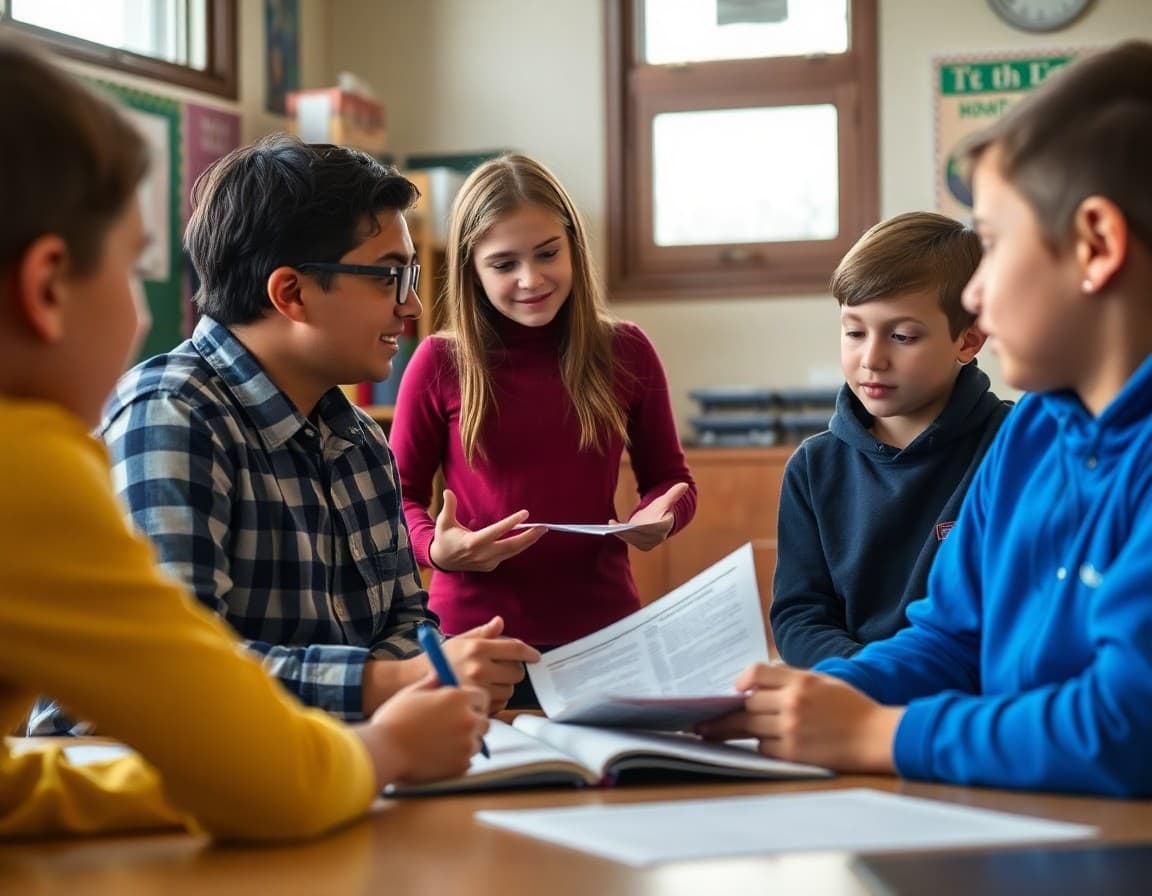
Fifth grade statistics introduces concepts that bridge elementary data work and the more complex analysis students will do in middle school. A unit newsletter at the start of your statistics unit gives parents the context they need to understand what their student is learning and how to support it at home.
What 5th Grade Statistics Covers
Fifth grade statistics focuses on three main areas: line plots (also called dot plots) using fractional data, measures of center (mean, median, and mode), and comparing data sets to answer real-world questions. Students learn to read and create line plots that show data values including fractions like 1/4, 1/2, and 3/4. They calculate the mean by finding the balance point of the data, the median as the middle value, and the mode as the most common value.
This work builds on bar graphs and pictographs from earlier grades and prepares students for box plots and histograms in 6th grade.
Key Vocabulary to Know This Unit
Include the essential terms with parent-friendly definitions: line plot (a number line with x marks showing how often each value appears), mean (the average, calculated by adding all values and dividing by how many there are), median (the middle value when data is arranged in order), mode (the value that appears most often in the data), range (the difference between the largest and smallest values), and data set (a collection of numbers or information gathered to answer a question).
Opening Template for the Newsletter
Here is a unit opening you can adapt:
"We are starting our statistics unit this week. Students will work with line plots using fractions and learn to calculate and interpret mean, median, mode, and range. The unit ends with a data investigation project due [DATE]. Key vocabulary: [list]. A great activity to try at home: collect a small data set together (daily temperature, steps, or anything your student chooses), calculate the mean and median, and discuss which one better represents the data. Questions? [contact info]."
Connecting Statistics to Real Life for 5th Graders
Fifth graders connect to statistics best when the data is personal or from something they care about. A student who calculates the mean of their five most recent test scores understands the concept differently than a student who calculates the mean of five abstract numbers from a worksheet. Give parents a specific example to try: "Ask your student to find the mean of the last five temperatures in our local weather forecast. Is the mean close to most of the values, or does it seem off? Why?"
The Data Project
If your 5th grade statistics unit includes a project where students design a survey or analyze a data set, introduce it early. For a class survey project: "Students will design a question, collect data from at least 20 classmates, create a line plot of the results, and calculate the mean, median, and mode. They will write two or three sentences explaining what the data shows. The project is due [DATE] and students will have class time to work on it [DAYS]."
That preview gives parents time to talk with their student about the project early rather than scrambling the night before the due date.
Common Challenges in 5th Grade Statistics
Knowing where students typically struggle helps parents ask the right questions at home. For line plots with fractions: students sometimes misplace data values because the fraction increments on the number line look small. Have your student point to where each value goes before marking it. For mean: students sometimes add correctly but divide by the wrong number (forgetting to count all values). For median: students sometimes forget to put the data in order before finding the middle value.
What Students Have to Work With at Home
Tell parents what materials their student has. "Students have their math notebook with notes from each lesson and will bring home a practice worksheet for homework this week. The vocabulary list from the start of the unit is also in their notebook." That reminder helps parents locate review materials without a search and ensures students cannot claim they have nothing to study with.
How to Reach Me
End with clear contact information and an invitation for questions. "If your student is finding a specific concept challenging, email me at [EMAIL] and I can suggest targeted practice activities. I check email daily and respond within one school day."
Get one newsletter idea every week.
Free. For teachers. No spam.
Frequently asked questions
What should I include in a 5th grade statistics unit newsletter?
Cover the unit topic in plain language, the key skills students will develop (like reading line plots, calculating mean, median, and mode, or interpreting data in fractions), key vocabulary with simple definitions, one at-home activity, and the major assessment. Fifth grade statistics often culminates in a student data project, so introducing that early gives families time to support the work rather than hearing about it at the last minute.
What statistics topics are covered in 5th grade?
Fifth grade statistics focuses on line plots (also called dot plots) with fractional data, calculating mean, median, mode, and range, and interpreting data to answer questions. Students learn to represent data in different ways and to compare data sets. This builds directly on the bar graphs and tally charts from earlier grades and sets the foundation for box plots and histograms in middle school.
How do I make 5th grade statistics feel relevant to parents?
Connect it to contexts parents and 5th graders already encounter. Sports statistics, weather data, and survey results all use the same skills. A brief note like 'the next time your student sees a sports statistic or a weather forecast, they now have the tools to understand what that number represents and whether it is meaningful' makes the unit feel relevant rather than abstract.
What at-home activities reinforce 5th grade statistics?
Collecting and analyzing a small data set is the most effective at-home activity for 5th grade statistics. Families can measure the same thing every day for a week (outdoor temperature, steps walked, minutes of reading) and have their student calculate the mean, find the median, and identify the range. The personal connection to the data makes the calculations meaningful rather than procedural.
Can Daystage help 5th grade teachers send statistics unit newsletters efficiently?
Daystage is a strong fit for classroom teachers who want to send unit newsletters without spending significant time on formatting. You can build a 5th grade statistics template with sections for unit overview, vocabulary, at-home activity, and assessment preview, then update it for each data unit. Most teachers complete a unit newsletter in under 15 minutes using a saved Daystage template.

Adi Ackerman
Author
Adi Ackerman is a former classroom teacher and curriculum writer with 8 years in K-8 schools. She writes about school communication, parent engagement, and what actually works in real classrooms.
More for Classroom Teachers
April Newsletter Ideas for Fifth Grade Teachers: What to Send This Month
Classroom Teachers · 6 min read
First Newsletter of Fifth Grade: Setting the Tone for a Big Year
Classroom Teachers · 7 min read
Elementary Teacher Back-to-School Newsletter: What to Send Before and During Week One
Elementary · 7 min read
Ready to send your first newsletter?
3 newsletters free. No credit card. First one ready in under 5 minutes.
Get started free