
Second Grade Special Education Newsletter: How to Communicate Inclusion and Support to All Families
Special education communication in the early grades requires a kind of precision that most classroom newsletters do not. You need to be transparent enough that all families understand the support systems in your classroom, while being careful enough to protect the privacy of individual students and avoid stigmatizing anyone. And you need to speak to multiple audiences at once: families of students receiving services, families of students who are not, and everyone in between.
This guide covers how to write second grade special education newsletters for a general classroom audience, and what to communicate separately with families of students who have IEPs, 504 plans, or other formal support structures.
The General Classroom Newsletter: Describe Your Inclusive Practices
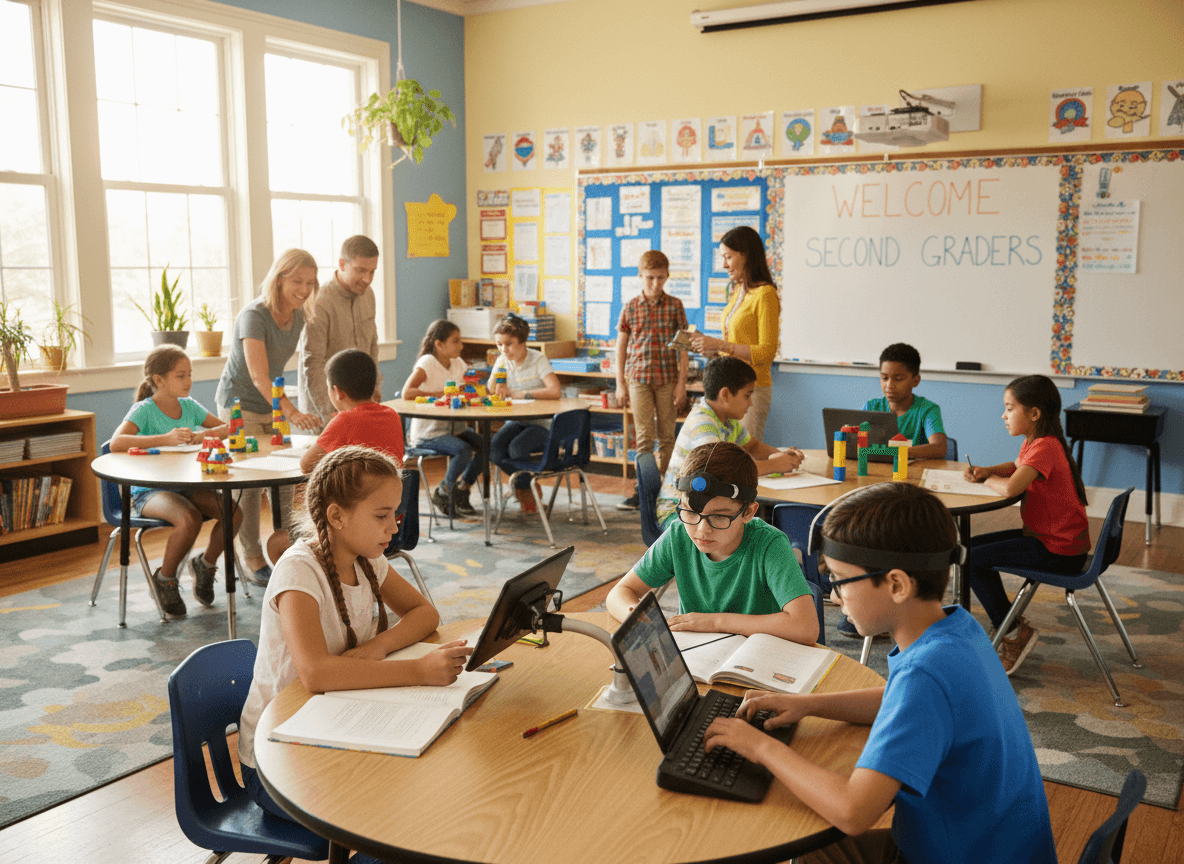
Your class-wide newsletter is the right place to communicate your overall approach to supporting all learners, including students who need different levels or types of support. You do not need to mention individual accommodations or students. Instead, describe what your inclusive classroom looks like in practice.
Something like: "In our classroom, we believe every student learns best when instruction meets them where they are. You will see me working with small groups throughout the day to give targeted support, and students move between activities at different paces based on where they are in their learning. All of these structures are designed to help every student grow."
That kind of description normalizes differentiated support without drawing attention to specific students or services.
Explain the Support Services Available
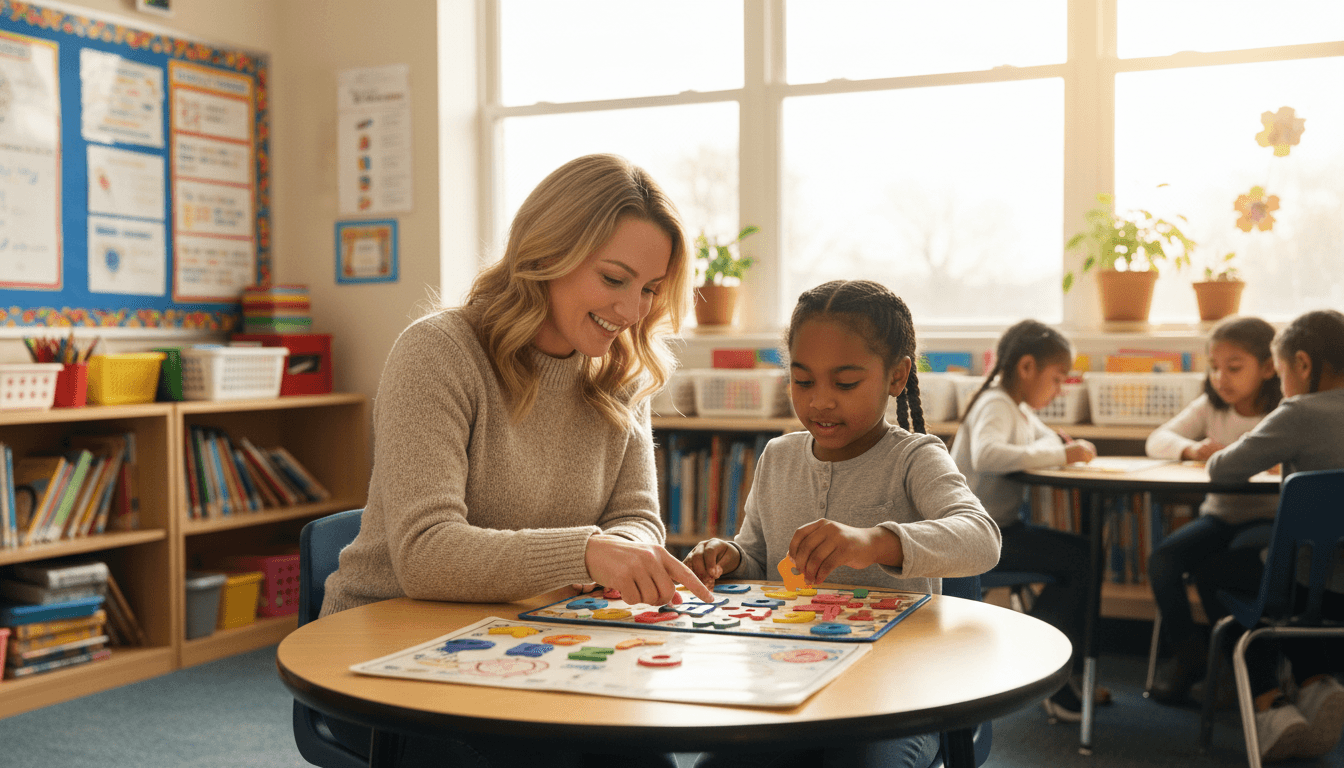
Families often do not understand what special education support services look like in an elementary school. They may have had their own school experiences with pull-out resource rooms and may not know that the service model in your school is very different. Describe the support structures families might notice or their child might mention.
For example: "Students in our school can access support from a resource specialist, speech therapist, and occupational therapist depending on their individual needs. Some of this support happens inside the classroom, and some happens in a smaller group setting. If you have questions about the services your child receives, your best first contact is your child's case manager."
This description is general enough to apply to any classroom newsletter but specific enough to give families a real picture of what support looks like in your building.
Communicate About Inclusion as a Classroom-Wide Benefit
Research on inclusive classrooms consistently shows that all students benefit from learning alongside peers with diverse needs and abilities. Your newsletter can communicate this directly and authentically, not as a defensive position but as a genuine description of the kind of learning community you are building.
Second graders who learn alongside students with a range of abilities develop stronger empathy, more flexible problem-solving skills, and a broader understanding of how different minds work. That is worth saying explicitly, because it helps families of students without identified needs understand why inclusion benefits their child too.
Private Communication for Families of Students With IEPs or 504s
The class-wide newsletter is not the right place to communicate about individual students' services. Families of students with IEPs or 504 plans deserve direct, private communication that goes far beyond what a newsletter can provide. But newsletters can support that relationship by establishing expectations about communication flow.
In your general newsletter, you might note: "Families of students with IEPs or 504 plans will receive regular direct communication from me and from your child's support team in addition to the class newsletter. Please do not hesitate to reach out at any time if you have questions about your child's progress or services."
This brief note does two things: it tells IEP families they will hear from you directly, and it tells all families that individual needs are handled with privacy and care.
Address Common Family Questions
Families of students receiving special education services often have questions that they are reluctant to ask directly. A newsletter that addresses those questions proactively can reduce anxiety and improve engagement. Common questions include: Will my child be separated from their classmates for services? Will the other students know my child gets extra help? Who is responsible for my child's progress goals?
You do not need to answer these questions in a general newsletter. But you can signal that you understand families have them and that the door is open for a private conversation. Something like: "If you have questions about how services are delivered or how we protect your child's dignity and privacy, I welcome that conversation." That kind of invitation matters enormously to families navigating the special education system for the first time.
Celebrate Classroom Community Without Hierarchies
Special education newsletters can inadvertently create a sense of "regular students" versus "special education students" through the language choices they make. Avoid language that draws that line. Instead of "students who need extra support," try "students who benefit from a different kind of challenge or pacing." Instead of "kids with IEPs," use "students with formal learning plans" if you need to reference this group at all.
The goal is a classroom newsletter that all families read and feel represented in, not a document that implicitly categories their child before they have read past the first paragraph.
Build Trust Through Consistency
Families of children receiving special education services have often had mixed experiences with school communication. Some have been surprised by news they should have received sooner. Some have felt their concerns were minimized. A newsletter that communicates consistently and proactively throughout the year builds the kind of trust that makes harder conversations much easier when they arise.
Mention special education support in your newsletter not just when there is news but as a regular part of how you describe your classroom. The more routine and normalized that language becomes, the less charged it feels when specific concerns need to be addressed.
Close With an Open Door
End any newsletter that touches on special education topics with a clear, warm invitation for families to reach out. "If you have questions about your child's learning, the services available in our school, or how we support students with diverse needs, I am always glad to connect." That closing sentence does real work. It makes families feel welcome to ask questions they might otherwise carry silently for weeks before a concern becomes a crisis.
Get one newsletter idea every week.
Free. For teachers. No spam.
Frequently asked questions
What should a special education newsletter for second grade include?
A general classroom special education newsletter should describe your inclusive practices, how you differentiate instruction, the support services students can access, and how families of students receiving services can stay informed and involved. It should never include identifying information about specific students.
How do I communicate about special education services without violating student privacy?
Write in general terms that describe your classroom's approach to supporting all learners, not specific students' services. For families of students with IEPs or 504s, private letters and IEP meetings are the appropriate venue for individual details. The class newsletter communicates your overall philosophy and the range of supports available.
How do I address inclusion in a way that is welcoming to all families, including those whose children do not receive special education services?
Frame inclusion as a benefit to all students in the classroom, not just those with identified needs. Research consistently shows that inclusive classrooms improve outcomes for all learners. Your newsletter can communicate that without drawing distinctions between students.
What is the best way to keep families of students with IEPs informed throughout the year beyond the formal IEP meeting?
Regular brief updates via your classroom newsletter, combined with direct notes home when milestones are reached or concerns arise, keeps families connected between annual meetings. Some teachers send a brief monthly progress note home alongside the class newsletter for families of students with active IEPs.
What newsletter tool supports special education communication for second grade teachers?
Daystage is a practical option because it lets teachers communicate with all families at once for general inclusion updates and follow up individually with specific families when needed. The ability to see who has read a communication is particularly useful when families of students receiving services need to confirm they are aware of upcoming IEP meetings or progress reports.

Adi Ackerman
Author
Adi Ackerman is a former classroom teacher and curriculum writer with 8 years in K-8 schools. She writes about school communication, parent engagement, and what actually works in real classrooms.
More for Classroom Teachers
Second Grade ELL Support Newsletter: How to Communicate With and About English Language Learners
Classroom Teachers · 7 min read
2nd Grade Behavior Newsletter: What to Tell Parents When Behavior Needs Addressing
Classroom Teachers · 6 min read
Second Grade Curriculum Overview Newsletter: What to Share With Families at the Start of the Year
Classroom Teachers · 6 min read
Ready to send your first newsletter?
3 newsletters free. No credit card. First one ready in under 5 minutes.
Get started free