
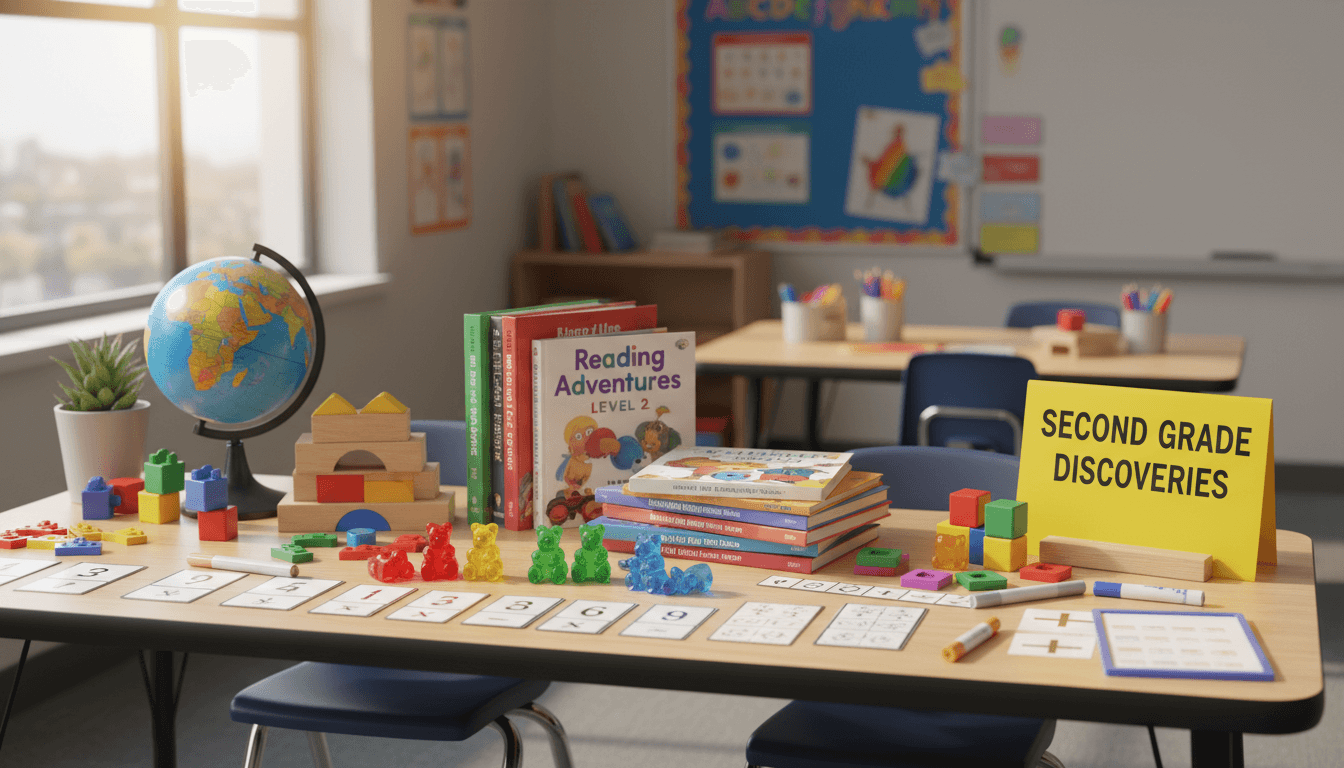
Second Grade Curriculum Overview Newsletter: What to Share With Families at the Start of the Year

One of the most valuable newsletters a second grade teacher sends all year is the curriculum overview at the start of school. Parents arrive in September with genuine curiosity about what their child will be learning, and many have anxiety about second grade specifically because it is the year academic expectations visibly increase. A clear, warm curriculum overview newsletter answers those questions before they become the topic of every back-to-school night conversation.
The challenge is writing something that is genuinely informative without becoming a dense academic document no one reads past the first paragraph. Here is how to get the balance right.
Frame It as a Partnership Document
Open the newsletter by positioning the curriculum overview as a tool for family partnership, not a formal declaration of what you intend to cover. Something like: "This overview gives you a picture of what we will explore this year and some ways you can support your child's learning at home. Second grade is an exciting year academically, and I want families to feel connected to what is happening in our classroom."
That framing shifts the newsletter from a bureaucratic document to an invitation. Parents who feel invited into the academic life of the classroom engage more consistently throughout the year.
Reading and Language Arts
Second grade reading is where many parents focus their attention because they can see it directly at home when their child reads aloud. Describe what reading instruction looks like in your classroom: whether you use a structured literacy approach, how you organize small group reading, what reading levels you are working toward by year end, and what fluency looks like for most second graders.
Include one concrete thing parents can do at home, such as reading together for twenty minutes daily, asking their child to retell what they read, or visiting the library regularly. Families want practical guidance, not just general encouragement.
Cover writing briefly here too. Second graders are typically learning to write complete sentences, organize paragraphs, and begin using punctuation and capitalization consistently. Let parents know what genres of writing you will focus on and when.
Math
Second grade math makes a big jump from first grade. Students move from counting and simple addition to working with place value, multi-digit addition and subtraction, measurement, and beginning geometry. Many parents are surprised by how much the expectations grow this year, so a brief heads-up is genuinely helpful.
Name the program or approach your school uses if families are likely to hear about it. If you use a curriculum with a specific name, parents who help with homework will have an easier time if they know what it is called so they can look it up. Mention any key areas where student support at home makes a measurable difference, such as fact fluency practice.
Science
Give families a unit-by-unit preview of what you will cover in science, even just a list of three or four topics. Second grade science often includes life cycles, weather patterns, properties of matter, and engineering design depending on your standards. Parents love knowing what is coming because it gives them things to talk about with their child. A second grader who knows they are about to start a unit on butterflies will notice butterfly-related things in the world around them and come to school more prepared to engage.
Social Studies
Second grade social studies typically covers community, family and cultural history, maps and geography basics, and economic concepts like needs, wants, and producers and consumers. These are rich topics that connect naturally to family conversations, so previewing them in the newsletter is useful.
Invite parents to connect the social studies content to their own family's experience. If you are studying family histories, let parents know that sharing family stories or artifacts is welcome and valued.
Specials and Enrichment
Many parents do not know how much time their child spends in art, music, physical education, library, or technology classes. A brief note on your specials schedule and what students do there helps families ask better questions at the end of the day. "How was music today?" gets more traction than "How was school?" when a parent knows music class actually happened.
Assessment and Progress
Address how and when you assess students. Parents want to know when report cards come out, what assessments look like in second grade, and whether there are any standardized tests during the year. Frame assessment as a tool for understanding where students are and what they need next, not as a judgment.
Let families know the best way to reach you if they have questions about their child's progress between formal reports. If you do regular reading assessments or math checks, tell parents what you are looking for so they understand what progress looks like in concrete terms.
A Note on the Year Ahead
Close the curriculum overview with a genuine expression of what you are looking forward to in the year ahead. Name a specific unit you love teaching, a project you are excited to try this year, or a book you cannot wait to read aloud to the class. That specificity tells parents you are not just covering a mandated curriculum. You are a teacher who has thought carefully about this year and is genuinely invested in what happens in your classroom.
Families who sense that enthusiasm carry it home to their kids. The curriculum overview newsletter, sent in the first week of school, can set the tone for how engaged families stay for the entire year.
Get one newsletter idea every week.
Free. For teachers. No spam.
Frequently asked questions
How detailed should a second grade curriculum overview newsletter be?
Detailed enough that parents have a clear picture of the year, but short enough that they actually read it. Aim for one to two paragraphs per subject, written in plain language. Save the full scope and sequence for conferences or a detailed syllabus document you can send separately on request.
Should I include state standards in the curriculum newsletter?
Reference standards lightly, if at all. Most parents are not familiar with standards codes and acronyms. What they want to know is: what will my child be learning, and what does success look like? Translate the standards into those terms.
What subjects should I cover in a second grade curriculum overview?
Cover reading and language arts, math, writing, science, and social studies. If your school has strong specials programs (art, music, PE, library), a brief mention of those is appreciated. Parents often ask about those classes and do not always know how much time students spend there.
When is the best time to send a curriculum overview newsletter?
During the first week of school or immediately following. Families arrive at orientation with questions about what their child will learn this year. A curriculum newsletter that goes out by day three or four addresses those questions before they pile up.
What tool do teachers use to send curriculum newsletters to second grade families?
Daystage is a popular choice for this kind of beginning-of-year communication. You can build a visually organized newsletter that covers each subject clearly, send it to all your families at once, and track who has opened it. That gives you a reliable record for back-to-school night conversations and helps you follow up with families who have not yet seen the overview.

Adi Ackerman
Author
Adi Ackerman is a former classroom teacher and curriculum writer with 8 years in K-8 schools. She writes about school communication, parent engagement, and what actually works in real classrooms.
More for Classroom Teachers
Second Grade Science Unit Newsletter: How to Share What Your Class Is Exploring
Classroom Teachers · 6 min read
Second Grade Social Studies Newsletter: Connecting Classroom Learning to Family Conversations
Classroom Teachers · 6 min read
Second Grade Homework Policy Newsletter: How to Set Clear Expectations With Families
Classroom Teachers · 6 min read
Ready to send your first newsletter?
3 newsletters free. No credit card. First one ready in under 5 minutes.
Get started free