

Second Grade Math Facts Newsletter: Help Families Build Real Fluency
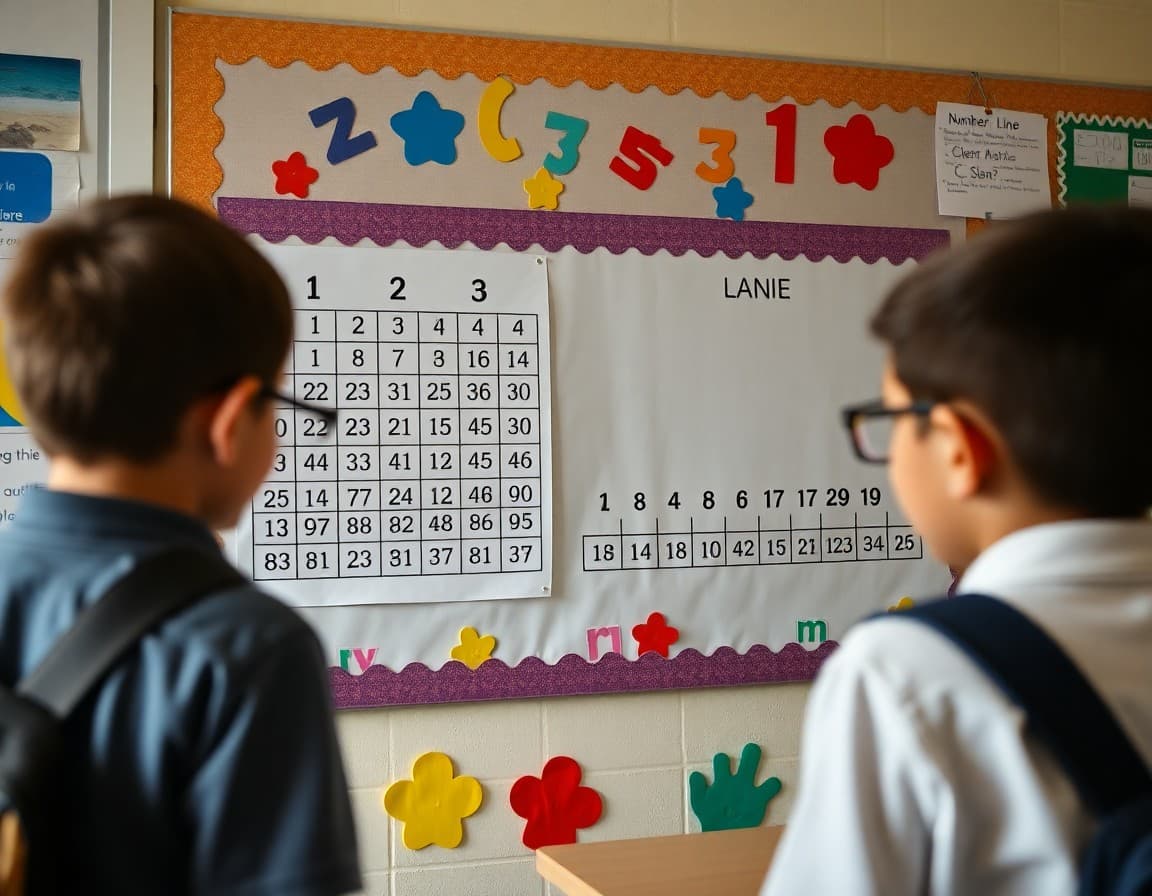
Second grade is where math fact fluency either takes hold or falls behind. Students who leave second grade without automatic recall of facts within 20 carry that deficit into third grade, where multi-step problem solving demands cognitive resources that counting strategies cannot spare. Your newsletter helps families understand what to practice and how to build real fluency rather than just performance.
What Fluency Actually Means
Fluency is not just getting the right answer. It is getting the right answer quickly and with confidence, using efficient strategies or automatic recall. A student who counts on their fingers to solve 7+8 is not fluent, even if they always get 15. A student who says "7+7 is 14, so 7+8 is 15" is using a fluent strategy. A student who just knows 15 has achieved automaticity. All three stages matter.
The Priority Facts for Second Grade
Tell families which fact combinations to focus on. The 45 unique addition facts within 20 can feel overwhelming. Prioritize in this order: doubles (1+1 through 10+10), near-doubles (6+7, 7+8, 8+9), making ten (8+2, 7+3, 6+4), and sums of 10 (4+6, 3+7, 5+5). Mastering these covers more than 60% of all addition facts and provides strategies for the rest.
Games That Build Automaticity
Describe 3 specific games families can play without purchasing materials.
Around the world at home: One person says an addition fact. The other answers as fast as possible. Switch roles every 10 facts.
Doubles domino: Sort dominoes into doubles and non-doubles. Practice saying the sum of each doubles domino aloud.
Fact family triangles: Write three numbers that form a fact family (6, 8, 14) on a triangle. Cover one number and solve for it using the other two.
Connecting Subtraction to Addition
Many families practice addition and subtraction separately, which doubles the effort. Fact families are more efficient: if a student knows 6+8=14, they should immediately know 14-8=6 and 14-6=8. Practice fact families (all four equations for three numbers) instead of addition and subtraction independently. This cuts practice time roughly in half.
Introduction to Multiplication Concepts
Second grade introduces multiplication as equal groups: 3 groups of 4. Most curricula introduce this conceptually rather than as facts to memorize. If you are covering multiplication concepts, tell families what that looks like so they understand what their child is talking about when they come home saying "we did times today."
Monitoring Progress at Home
Give families a simple way to check progress. Once a week, run through a quick 20-fact check. Time how long it takes. The goal is not a specific time but improvement over the previous week. Any student getting faster is building fluency. Track the time and celebrate the trend rather than the absolute number.
Get one newsletter idea every week.
Free. For teachers. No spam.
Frequently asked questions
What math facts should second graders know by end of year?
Second grade math standards require fluency with addition and subtraction within 20, and introduction to multiplication concepts. By end of second grade, students should automatically recall addition facts to 20 and their corresponding subtraction facts. Mastery within 10 should be solid by mid-year, with the extension to 20 completing by spring.
How do you move a second grader from counting on fingers to automatic recall?
The transition from counting to automaticity requires repeated, spaced encounters with the same fact combinations. Strategies include: using known facts as anchors (if I know 8+8=16, then 8+9=17), practicing in multiple contexts (games, real-world problems, quick verbal practice), and using fluency activities timed not as tests but as personal progress checks. Ten encounters with one fact combination over a week builds automatic recall faster than 10 encounters in one day.
Are timed tests effective for second grade math facts?
Research is mixed. Brief timed activities (1-2 minutes) where students track their own progress can build fluency without creating anxiety, if the timing is framed as a personal best challenge rather than a comparison. Timed tests that are high-stakes, compared publicly, or administered too early in the learning sequence create math anxiety without meaningfully improving fluency. Context and framing matter enormously.
What is the best sequence for teaching addition facts to second graders?
Research-supported sequence: doubles (6+6, 7+7), near-doubles (6+7=6+6+1), making ten (8+5=8+2+3=10+3), and then all remaining facts. Doubles are typically easiest to recall because they are symmetric. Near-doubles build on doubles knowledge. Making ten is a crucial strategy that generalizes to multi-digit addition. Teaching in this sequence reduces the total number of facts needing memorization.
Does Daystage let me share math fact practice resources in my newsletter?
Yes. You can link to printable fact practice sheets, free online games, or video demonstrations of strategies directly in your Daystage newsletter. A monthly math newsletter section called 'What to Practice This Month' with a linked resource takes about 5 minutes to add and gives families a concrete action to take.

Adi Ackerman
Author
Adi Ackerman is a former classroom teacher and curriculum writer with 8 years in K-8 schools. She writes about school communication, parent engagement, and what actually works in real classrooms.
More for Classroom Teachers
2nd Grade Math Progress Newsletter: How to Communicate Addition, Subtraction, and Place Value Progress to Parents
Classroom Teachers · 6 min read
Math Curriculum Overview in Your Classroom Newsletter: What Parents Need to Know
Classroom Teachers · 6 min read
First Grade Math Facts Newsletter: Help Families Support Fluency at Home
Classroom Teachers · 6 min read
Ready to send your first newsletter?
3 newsletters free. No credit card. First one ready in under 5 minutes.
Get started free