
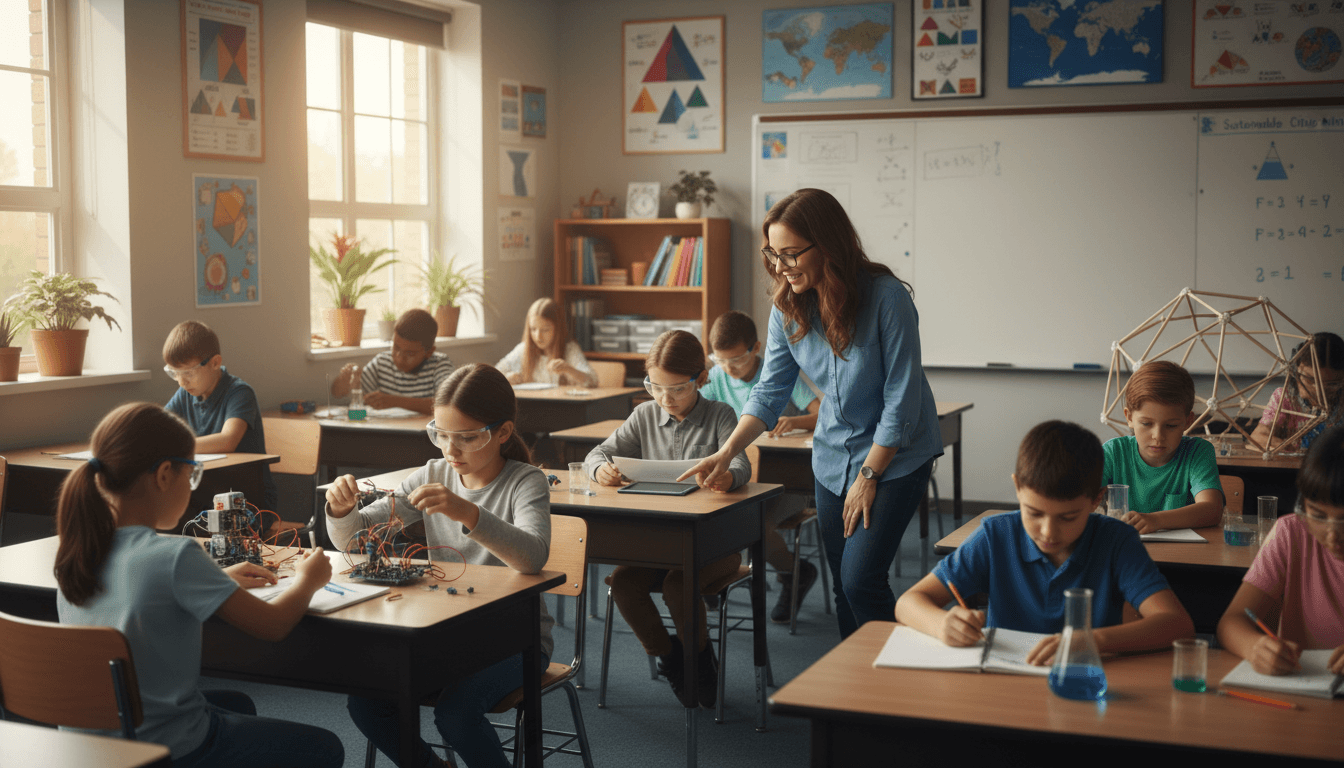
2nd Grade Gifted Enrichment Newsletter: Communicating Advanced Learning to Parents
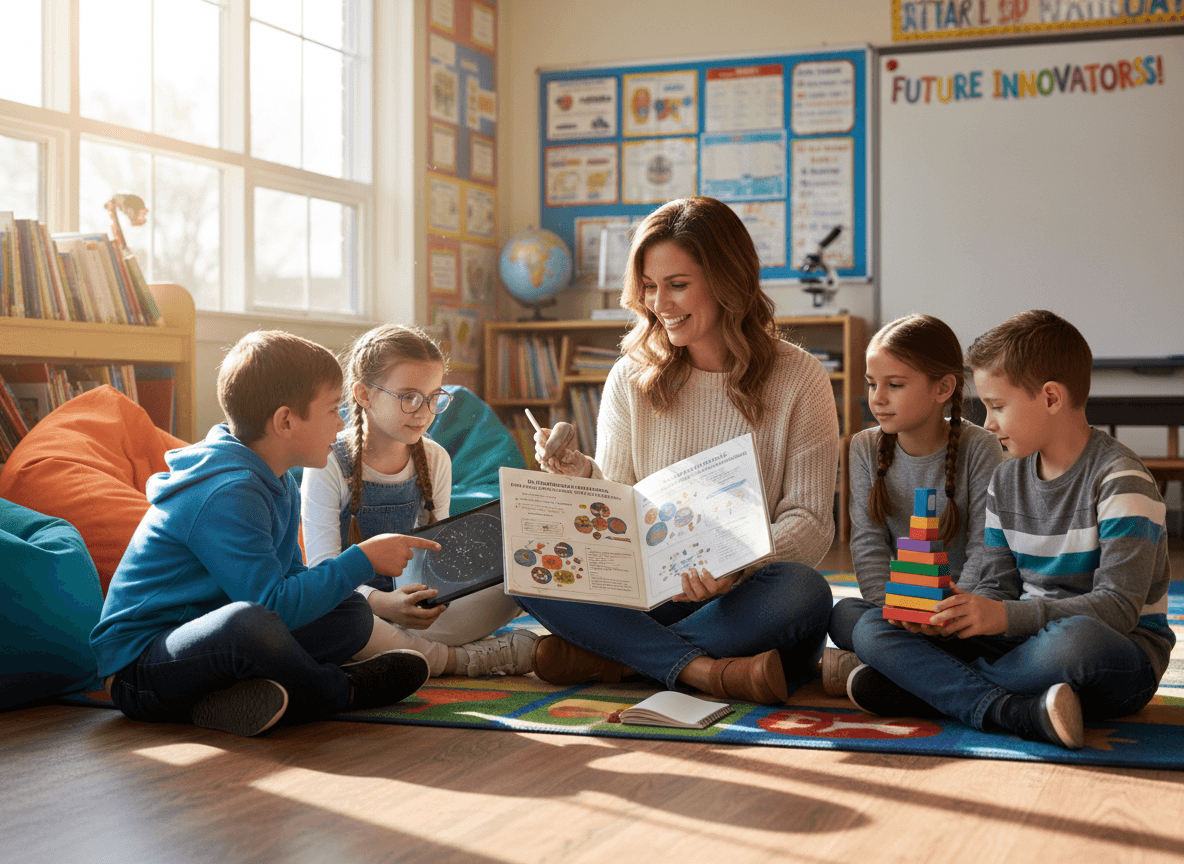
Parents of gifted second graders often feel a mix of pride and confusion. Their child is doing work that looks different from what the rest of the class is doing, and they want to understand why, what it looks like day to day, and how they can keep up with it at home. A well-written gifted enrichment newsletter solves that problem directly. It closes the information gap and turns curious parents into confident partners.
This guide walks through how to write a second grade gifted enrichment newsletter that actually gets read, builds trust with families, and reflects the depth of work your students are doing.
Why Gifted Parents Need More Communication, Not Less
Gifted programs operate differently from the general classroom. Pullout schedules, above-grade materials, and independent projects can all feel opaque to families who only see a backpack coming home. Without communication, parents fill in the blanks themselves. They sometimes worry their child is missing core instruction. They sometimes assume the work is simply "more of the same" rather than genuinely different.
A newsletter that explains what gifted enrichment actually looks like in second grade gives parents a clear window into that world. It also reinforces that you are intentional and structured in your approach, which builds confidence in the program itself.
Start with What You Are Currently Studying
Open each newsletter with a brief description of the current unit or project. Name the skill or concept being developed, not just the topic. For example, instead of writing "we are reading mysteries this month," try "students are analyzing how authors use clues and red herrings to build suspense, then applying that technique in their own original mystery stories."
That level of specificity tells parents something real. It shows the depth of thinking happening, and it gives them vocabulary they can use when asking their child about school.
Highlight the Thinking Skills Behind the Content
Gifted enrichment is often as much about how students think as what they learn. Second graders in an enrichment program might be working on metacognition, logical argument, pattern recognition across disciplines, or creative divergent thinking. Call those skills out by name.
A short paragraph that says "this week we practiced recognizing assumptions in an argument, which is a critical thinking skill students will use in every subject" helps parents see that enrichment is not just harder math facts or longer books. It is a different kind of intellectual work.
Share Photos of Student Work Whenever Possible
Visual evidence of learning does more than a paragraph of explanation. A photo of a student's hand-drawn logic diagram, a close-up of a math proof written by a seven-year-old, or a snapshot of a research presentation in progress tells the whole story instantly. Parents save those images. They share them with family members. They come back to them at conference time.
You do not need professional photography. A quick photo taken on a classroom tablet during work time is more than enough. The goal is to make the abstract work feel concrete and real.
Give Parents Specific Ways to Extend Learning at Home
One of the most useful sections in any gifted enrichment newsletter is the "try this at home" block. Keep it brief, one or two suggestions per issue, and make them genuinely doable. Link the suggestion directly to what students are currently working on in class.
For example, if students are studying logical sequencing, suggest a dinner table game where each family member adds one sentence to a shared story in a way that must logically follow the previous sentence. If students are working on pattern recognition in math, suggest a walk around the neighborhood to find patterns in architecture or nature and photograph them.
These suggestions show parents that enrichment thinking does not stop at the school door, and they give families a shared language with their child.
Address the Pullout Schedule and Any Changes
Parents of gifted students pulled out for enrichment time can be anxious about what their child is missing in the general classroom. Acknowledge this directly. Let parents know when pullout times are, what subjects are most commonly missed, and how you coordinate with the classroom teacher to make sure students are not falling behind on core skills.
Even a single sentence like "our pullout happens on Tuesdays and Thursdays from 10:00 to 11:00 during independent reading time, and Mrs. Patterson keeps any whole-class instruction to the morning block so students do not miss new material" can reduce a significant amount of parent worry.
Celebrate Student Achievements Without Comparing
Gifted classrooms are not immune to the social dynamics of elementary school. When you celebrate achievements in your newsletter, focus on the individual effort and growth rather than comparisons between students. "Mia revised her short story four times this month and her use of dialogue has become remarkably natural" is meaningful. "Mia is our best writer this year" is not something that belongs in a parent newsletter.
Recognizing effort and process alongside outcome also models the growth mindset you are trying to build in your students.
Keep the Tone Warm but Professional
Gifted education newsletters sometimes veer into either overly technical language (full of assessment vocabulary and program acronyms) or overly effusive praise (every week is described as "an incredible breakthrough"). Neither tone serves parents well. Aim for clear, warm, and specific. Write the way you would talk to a parent at a well-organized conference.
Read your draft once and ask: would a parent who is not an educator understand every sentence? If not, simplify. Then ask: does this accurately reflect the real work happening in my classroom? If not, add specificity. That two-question check will improve almost any newsletter draft.
Get one newsletter idea every week.
Free. For teachers. No spam.
Frequently asked questions
What should a gifted enrichment newsletter include?
A gifted enrichment newsletter should cover current projects and units, upcoming challenge activities, how parents can support advanced learning at home, and any pullout schedule changes. It should also celebrate student achievements without making comparisons.
How often should I send a gifted enrichment newsletter?
Most gifted education specialists send a newsletter every two to three weeks. Frequent enough to keep parents informed about the pace of enrichment work, but not so frequent that it becomes noise in a busy inbox.
How do I explain gifted curriculum to parents who are unfamiliar with it?
Use plain language and concrete examples. Instead of saying 'we are working on abstract reasoning,' say 'students built logical arguments this week using evidence from three different texts.' The more specific and tangible, the better.
Should the gifted newsletter be separate from the main class newsletter?
It depends on your program structure. If students are pulled out to a dedicated gifted room, a separate newsletter makes sense. If enrichment happens within the classroom, you can fold gifted updates into your regular newsletter with a dedicated section.
What newsletter tool works best for 2nd grade gifted teachers?
Daystage is a strong choice for gifted education newsletters because it lets you build visually rich updates quickly, embed photos of student work, and send directly to parent email lists you manage. Teachers in enrichment programs often appreciate how easy it is to differentiate newsletters for different family groups.

Adi Ackerman
Author
Adi Ackerman is a former classroom teacher and curriculum writer with 8 years in K-8 schools. She writes about school communication, parent engagement, and what actually works in real classrooms.
More for Classroom Teachers
2nd Grade Classroom Newsletter Ideas: What to Send Parents All Year Long
Classroom Teachers · 7 min read
1st Grade Gifted Enrichment Newsletter: Communicating With Parents of Advanced Learners
Classroom Teachers · 5 min read
Second Grade Curriculum Overview Newsletter: What to Share With Families at the Start of the Year
Classroom Teachers · 6 min read
Ready to send your first newsletter?
3 newsletters free. No credit card. First one ready in under 5 minutes.
Get started free