
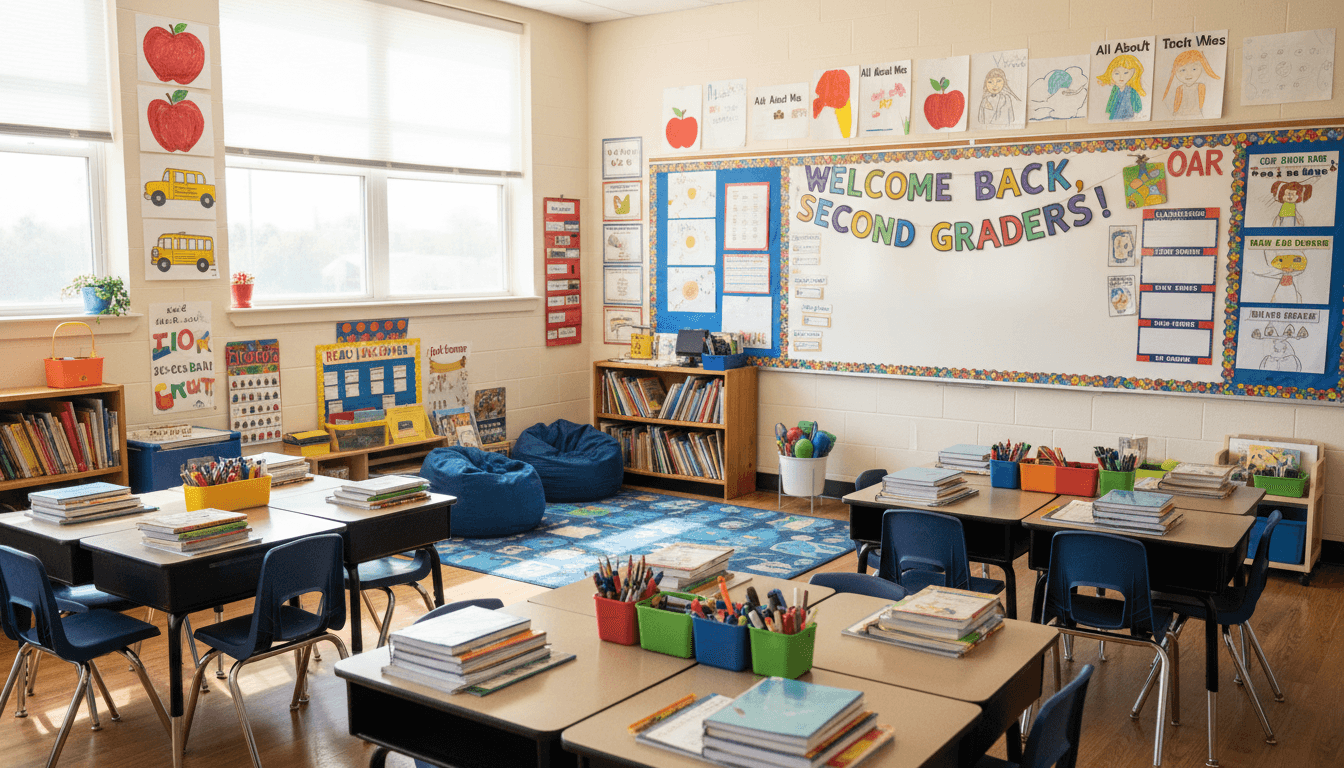
2nd Grade Classroom Newsletter Ideas: What to Send Parents All Year Long
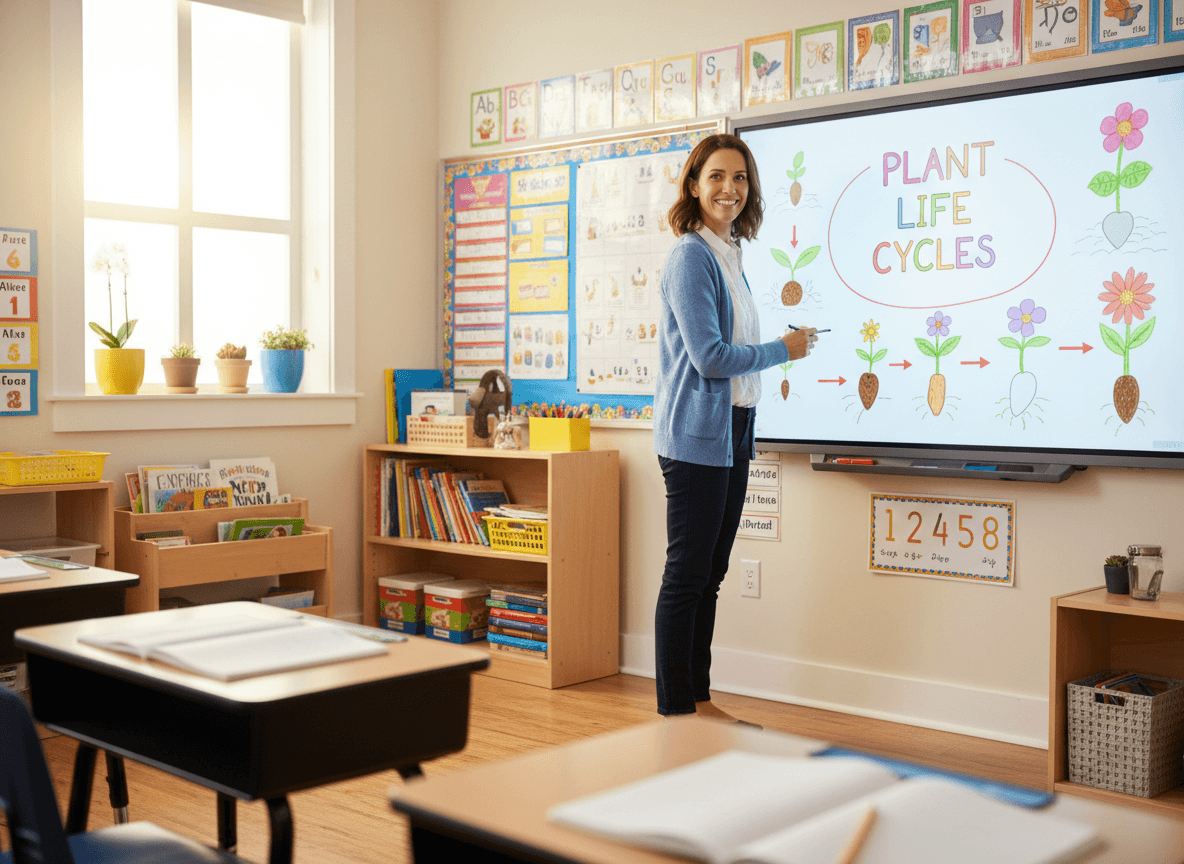
Second grade is a year of significant transition. Students arrive more confident than they were in first grade, and they leave ready for the more demanding curriculum of third grade. What happens in between is often invisible to parents unless you tell them about it.
A consistent newsletter keeps families connected to the learning curve, not just the calendar. Here is a month-by-month guide to what to cover.
August and September: Setting the Stage
Your first newsletter of the year does more than deliver information. It introduces you as a teacher and tells families what kind of year they are signing up for.
Cover: a brief introduction, your classroom expectations and routines, the supply list if not already sent, how you prefer to communicate (email, newsletter, app), and one thing you are excited to teach this year. That last piece is personal and makes the newsletter feel human rather than administrative.
September newsletters should also address the transition from first grade: what is new in second grade, how homework expectations change, and what reading and math look like at this level. Parents who are oriented early ask fewer questions all year.
October: Reading Milestones and Fluency
October is a good month to send a newsletter specifically about reading. Second grade is where the "learning to read" phase gives way to "reading to learn," and not all families know that the nature of reading instruction shifts significantly this year.
Topics for an October reading newsletter: the difference between decoding and comprehension, what reading fluency looks like at the 2nd grade level, how to choose books for home reading, and what to do if your child is resistant to reading at home.
November: Gratitude, Community, and Social-Emotional Learning
November newsletters can be lighter in academic content and heavier on community. Highlight what students are grateful for, share a class project, or describe the social-emotional curriculum you are covering.
This is also a good time to address Thanksgiving through an inclusive lens if your class includes diverse family backgrounds. A brief note about how you approach the holiday in the classroom prevents surprises.
December: Wrapping Up Semester One
December newsletters are a chance to celebrate progress. Share what the class has learned since September without comparing individual students. Mention upcoming projects, any special events or performances, and what families can expect to see on first semester report cards.
Also: give parents at-home ideas for the winter break that keep skills fresh without feeling like homework. Visiting the library, reading together each evening, and playing simple math games are easy asks that most families can fit in.
January and February: Math Focus and Multiplication Awareness
January is a natural reset point. Use your newsletter to highlight what students are working on in math: addition and subtraction within 100, place value to 1000, measurement, time, and money are all major second grade topics.
By February, begin planting the seed for what comes next. Third grade introduces multiplication, and students who are fluent in addition and subtraction get there faster. A newsletter that says, "One of the best things you can do to prepare your child for third grade math is to keep practicing addition facts at home this year," gives parents both context and action.
March and April: Writing Development and Genre Exploration
Second grade writing moves from sentence-level work to paragraph-level narrative and informational writing. This is a big developmental leap, and parents often do not notice it because the work comes home looking polished after editing and revision.
A spring newsletter on writing could cover: the writing process your class uses (brainstorm, draft, revise, edit, publish), how to respond to your child's writing at home without correcting it, and what finished writing looks like at this grade level. If students are working on a publishing project, build anticipation by telling parents what is coming.
May and June: End-of-Year Transition
The end of the school year is a time of celebration and, for many families, anxiety about the next grade. Use May and June newsletters to:
- Celebrate the academic and personal growth you have seen across the year
- Give families a clear picture of what students are ready for in third grade
- Suggest summer learning ideas that prevent regression without turning summer into school
- Communicate logistics around end-of-year events, report cards, and classroom transitions
Close the year with a personal note. Parents remember the teachers who made them feel like partners, not just recipients of information. A few sentences about what the class meant to you this year is the right way to end the newsletter year.
Making the Newsletter Sustainable All Year
The most common reason teachers stop sending newsletters is that they set a bar they cannot sustain. A few practical suggestions:
- Use a template so you are only changing the content, not the structure, each week.
- Keep the length reasonable. Four to six short sections is plenty.
- Schedule a recurring time each week (Friday morning during prep, for example) to write it.
- Batch photos as you take them during the week so you have something ready.
A simple, consistent newsletter sent every two weeks beats a beautiful one sent four times a year.
Get one newsletter idea every week.
Free. For teachers. No spam.
Frequently asked questions
How often should a 2nd grade teacher send a newsletter?
Once a week is ideal during the school year, but once every two weeks is realistic for most teachers with full caseloads. The goal is consistency more than frequency. A newsletter sent reliably every other Friday builds more parent trust than one sent every week for a month and then sporadically after that. Find a cadence you can sustain and stick to it. Even a short weekly update that takes 10 minutes to write is more valuable than a long monthly newsletter parents have stopped expecting.
What is the most important thing to include in a September second grade newsletter?
Introduce yourself, describe your classroom philosophy in 2-3 sentences, list supplies or materials still needed, and give parents one concrete action they can take at home to support their child in the first weeks. That last piece is often missing from September newsletters and it is the most valuable. Families who feel useful from day one tend to stay engaged all year.
When should I start talking about third grade math in second grade newsletters?
Begin planting seeds in late winter, around February or March. You do not need to alarm parents about multiplication. A brief mention like, 'In third grade, students begin learning multiplication. Building strong addition fluency this year makes that transition much smoother,' gives families context for why you are focusing on math facts now. Parents who understand the long arc of skill-building are more motivated to support nightly practice.
What reading milestones should I highlight in second grade newsletters?
Second grade is a pivotal year for reading development. Key milestones to communicate include: reading independently for 20 minutes, decoding multi-syllable words, understanding story structure (character, setting, problem, solution), using context clues to figure out unfamiliar words, and beginning to read informational text with comprehension. Sharing where the class is as a whole (without naming individual students) helps parents understand how their child's progress fits the expected trajectory.
What newsletter tool works best for second grade teachers?
Daystage is designed for school newsletters and works particularly well for teachers who want to send consistent, professional-looking updates without a lot of setup time. You can create a template for the school year and reuse the format each week, swapping in new content. Parents get a link they can open on any device, and you can include photos, upcoming dates, and curriculum highlights in one clean newsletter. It takes less time than a PDF and looks far better than a plain email.

Adi Ackerman
Author
Adi Ackerman is a former classroom teacher and curriculum writer with 8 years in K-8 schools. She writes about school communication, parent engagement, and what actually works in real classrooms.
More for Classroom Teachers
2nd Grade Math Progress Newsletter: How to Communicate Addition, Subtraction, and Place Value Progress to Parents
Classroom Teachers · 6 min read
1st Grade Homework Policy Newsletter: Setting Expectations Parents Can Actually Follow
Classroom Teachers · 5 min read
1st Grade Classroom Rules Newsletter: How to Communicate Expectations to Parents
Classroom Teachers · 5 min read
Ready to send your first newsletter?
3 newsletters free. No credit card. First one ready in under 5 minutes.
Get started free