
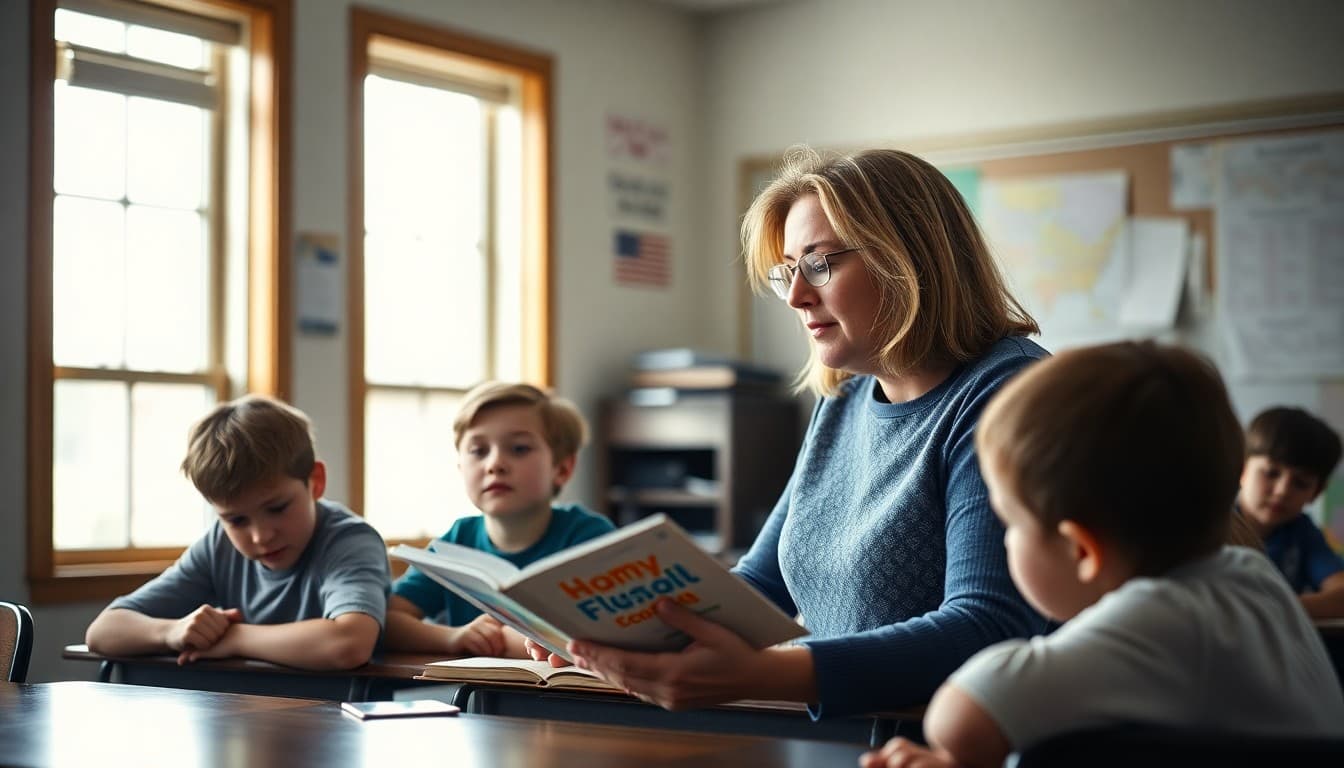
South Dakota Literacy Newsletter: Local Resources and Guide

In South Dakota, teaching reading means working across a wide range of communities. Urban classrooms in Sioux Falls look different from rural ones in the western part of the state, but every family wants the same thing: to know how their child is doing and what they can do at home. A literacy newsletter gives you a direct line to make that happen.
Starting With What Families Actually Want to Know
Most parents do not need a full curriculum breakdown. They want to know three things: what their child is working on, whether they are on track, and what they can do to help. A good literacy newsletter answers all three in under a page. Lead with the skill or text, acknowledge where most students are, and give one specific home activity. That is the core.
South Dakota Reading Standards in Plain Language
South Dakota's ELA standards are detailed, but your newsletter does not need to be. Translate the goal into a sentence families will understand: "We are learning to identify the theme of a story and explain how the characters' choices connect to it." That tells parents exactly what their child is working on without requiring them to look anything up.
Highlighting Free Resources in South Dakota
The South Dakota State Library offers a Statewide Library Card for digital access to ebooks and audiobooks. Many families, especially in rural areas, do not know this exists. Mentioning it in your newsletter once a year can open up reading options for families who do not live near a branch library. Local libraries also often have summer reading programs worth pointing to.
Making Home Practice Realistic
South Dakota has a lot of families where both parents work and schedules are full. Home practice suggestions need to be short and easy. "Ask your child to tell you one thing that happened in their reading today and one thing they wonder about" takes two minutes and builds comprehension. That kind of suggestion gets used. A 20-minute reading log does not.
Writing a Newsletter Families Will Read
The biggest newsletter mistake is writing for other teachers. Write for parents. Use the same words you would use talking to a parent at pickup. Skip acronyms and education terms. Say what you mean. "We are working on reading faster and more smoothly" is better than "fluency development through repeated reading protocols." Both describe the same thing, but only one gets read.
Adding a Classroom Snapshot
A photo of students engaged with reading, a short quote from a book you finished together, or a note about a student who had a breakthrough (without naming them) makes the newsletter feel alive. It reminds families that there is a real classroom behind the words. That connection matters, especially for families who rarely visit in person.
Sample Newsletter Excerpt
Try something like this: "This month we finished Charlotte's Web. We spent time talking about why E.B. White chose to end the story the way he did. At home, ask your child: what do you think the author was trying to say? What did Wilbur learn? There's no wrong answer. The point is to think out loud about a text, which is exactly what we practice every day."
Choosing a Tool That Saves Time
Writing the newsletter is the creative part. Formatting and sending it should not eat your planning period. Daystage gives you a clean template that looks professional on any device. You write the content, add a photo if you want, and send. It lands in families' inboxes looking polished, without you spending time on design or troubleshooting email attachments.
Get one newsletter idea every week.
Free. For teachers. No spam.
Frequently asked questions
What reading standards does South Dakota follow?
South Dakota uses its own set of English Language Arts standards that align closely with the Common Core framework. These cover reading literature, informational texts, foundational skills, and writing across grade levels.
How can a newsletter help with early literacy in South Dakota?
South Dakota has rural districts where families may have limited access to reading resources. A newsletter that points to free digital library options, audiobooks, or state reading programs can make a real difference for those families.
What home activities should I suggest in a literacy newsletter?
Pick one specific activity per issue. Reading the same book multiple times aloud, playing rhyming games for younger kids, or discussing an article together for older students are all practical. Tie each suggestion directly to what you are teaching that week.
How do I write a newsletter that works for families with different reading levels?
Use short sentences. Avoid jargon. Put the most important information first. If you have multilingual families, consider whether a translated version is feasible through your district's resources.
What tool do teachers use to send literacy newsletters?
Daystage is a newsletter platform built for school communication. It has templates, supports photos, and sends directly to families' inboxes. Teachers use it to send monthly literacy updates without dealing with formatting or attachment issues.

Adi Ackerman
Author
Adi Ackerman is a former classroom teacher and curriculum writer with 8 years in K-8 schools. She writes about school communication, parent engagement, and what actually works in real classrooms.
More for Classroom Teachers
Ready to send your first newsletter?
3 newsletters free. No credit card. First one ready in under 5 minutes.
Get started free