
South Carolina Literacy Newsletter: Local Resources and Guide
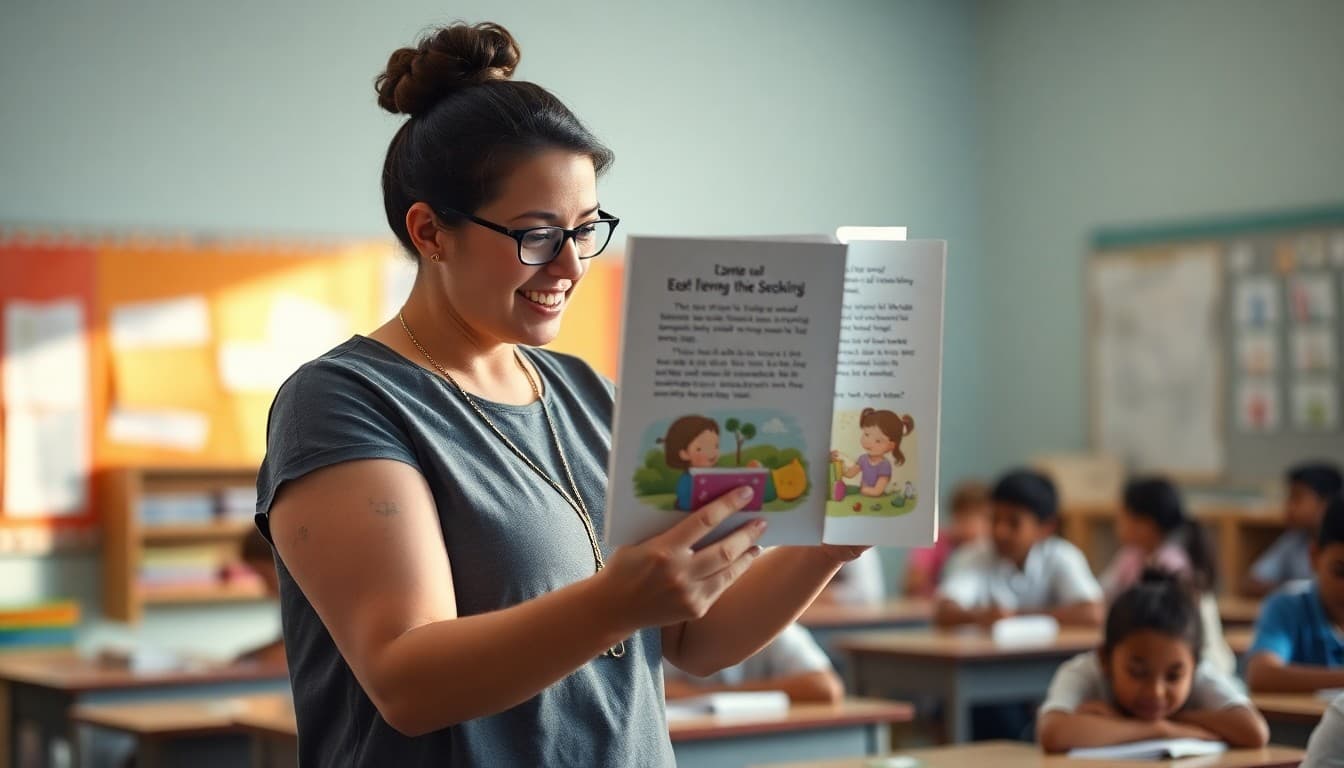
South Carolina has made reading a policy priority, and classroom teachers carry a big part of that work. A literacy newsletter is one of the most direct ways to bring families into the effort. When parents know what their child is learning, they can support it. When they do not know, they cannot help. This guide gives you a practical structure for writing a literacy newsletter that families will actually read and use.
What South Carolina Families Need to Know About Reading
Many families assume reading instruction is the same as it was when they were in school. It is not. South Carolina's Read to Succeed law, passed in 2014, changed how early literacy is taught across the state. Your newsletter is a chance to help families understand the approach: phonics, fluency, comprehension, and writing are all connected, and what happens in your classroom is research-based and intentional.
Building a Newsletter Structure That Works
The most effective literacy newsletters follow a simple pattern. Open with what your class is working on this week or month. Name the skill clearly. Then explain why it matters. Follow with one or two home activities. Close with any dates or reminders. That structure is repeatable, scannable, and useful. Families know where to look each time they open it.
Connecting to Local Reading Resources
South Carolina's public library system offers free reading programs through the summer and beyond. Many counties have bookmobiles or digital library access through Overdrive. Mentioning these options shows families there are ways to support reading that do not cost anything. A short line like "The Richland Library has free summer reading registration open now" adds real value to your newsletter without any extra work on your part.
Aligning Newsletter Content to SC Standards
You do not need to quote the standard code. You do need to give families a sense of the goal. "This month we are focusing on understanding how an author uses evidence to support a claim in nonfiction texts" is clear and connected to grade-level work without sounding like a policy document. Parents understand what that means and can ask their child the right questions at home.
Home Practice Ideas That Fit Real Life
The best home practice is low-friction. Ask families to notice print in the environment and talk about it. Suggest they ask their child to retell a TV show episode using sequence words. Recommend one specific book their child might enjoy based on what you are reading in class. These suggestions work because they fit into routines families already have rather than adding something new.
A Sample Literacy Newsletter Paragraph
Here is something you can use and adapt: "This week we started our informational reading unit. We are learning to tell the difference between facts the author states directly and conclusions we have to draw on our own. Ask your child to read a short article from a magazine or website and point to one fact they found and one thing they figured out. That conversation will reinforce exactly what we are working on." Short, specific, actionable.
Making Your Newsletter Easy to Send
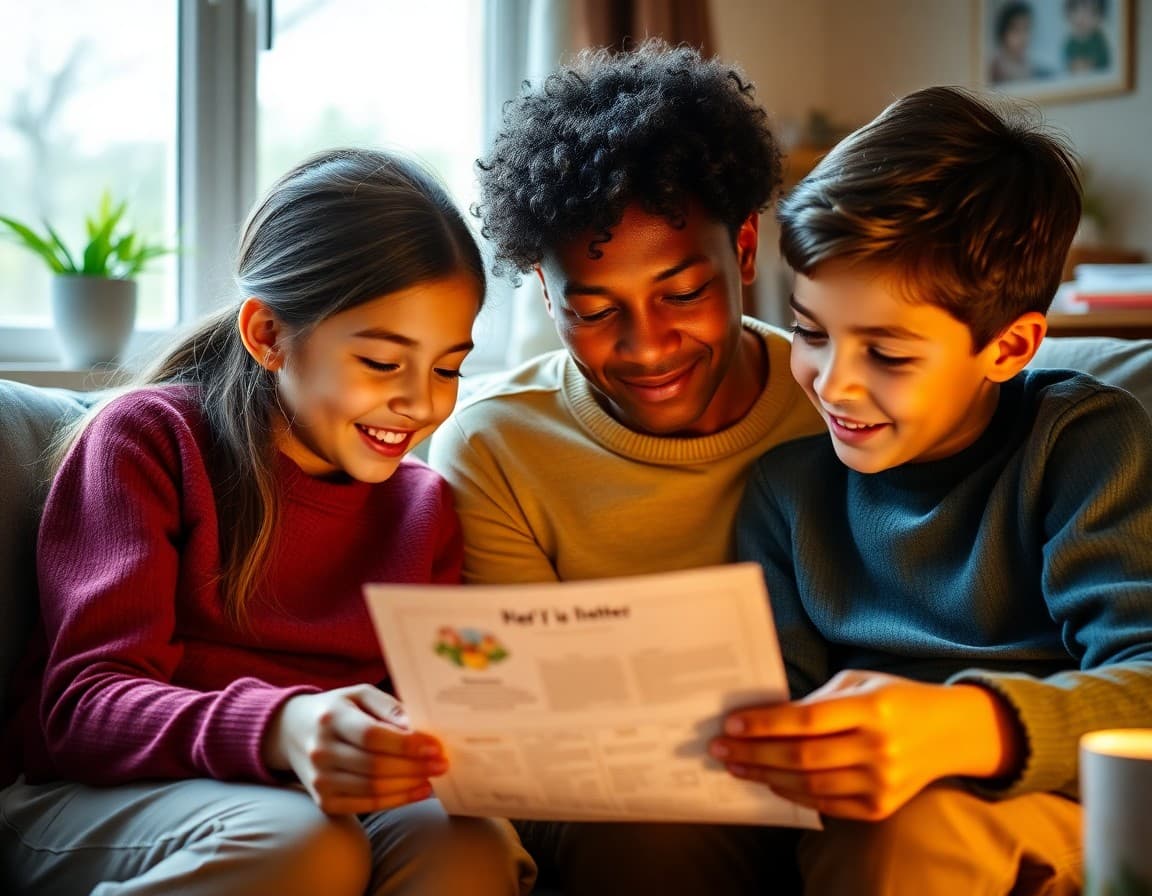
Typing the content is only half the work. Formatting, attaching, and sending it takes time too. Daystage gives you a template that handles the layout so you can focus on the words. Add a photo, type your update, and send. Families get a polished, readable newsletter in their inbox without you spending an hour in a word processor.
Frequency and Follow-Through
Monthly newsletters are sustainable. Weekly ones burn teachers out. Pick a frequency you can keep. Set a recurring calendar reminder to write it. Use the same structure each time. Consistency matters more than length. Families who know a newsletter is coming will look for it. Families who never know when to expect one will stop looking.
Get one newsletter idea every week.
Free. For teachers. No spam.
Frequently asked questions
What reading standards does South Carolina use?
South Carolina uses the SC College and Career Ready Standards for English Language Arts. These standards cover reading literature, informational text, foundational skills, writing, and speaking. Your newsletter can reference these goals in plain language without using the standard codes.
Are there state-funded reading programs I should mention in my newsletter?
Yes. South Carolina has a strong Read to Succeed law that affects how reading is taught in grades K-3, and districts have reading coaches and intervention programs tied to it. Mentioning your school's connection to these programs helps families see the bigger picture.
How long should a literacy newsletter be?
One page is ideal. Families are busy. Cover what your class is working on, one home practice idea, and any upcoming events. That is all you need. You can always go deeper in a follow-up conversation at conferences.
How do I make the newsletter feel less like a report and more like a conversation?
Write in first person. Say "we" and "your child" instead of "students." Share one small win or funny moment from the week. That kind of warmth makes families feel connected, not just informed.
What is the easiest way to send a literacy newsletter to all my families?
Daystage lets you build a newsletter with photos and formatted sections, then send it to all your families at once. It works from any device and keeps a record of what was sent and when. Several South Carolina teachers use it to handle their weekly or monthly communication.

Adi Ackerman
Author
Adi Ackerman is a former classroom teacher and curriculum writer with 8 years in K-8 schools. She writes about school communication, parent engagement, and what actually works in real classrooms.
More for Classroom Teachers
Ready to send your first newsletter?
3 newsletters free. No credit card. First one ready in under 5 minutes.
Get started free