

Rhode Island Literacy Newsletter: Local Resources and Guide
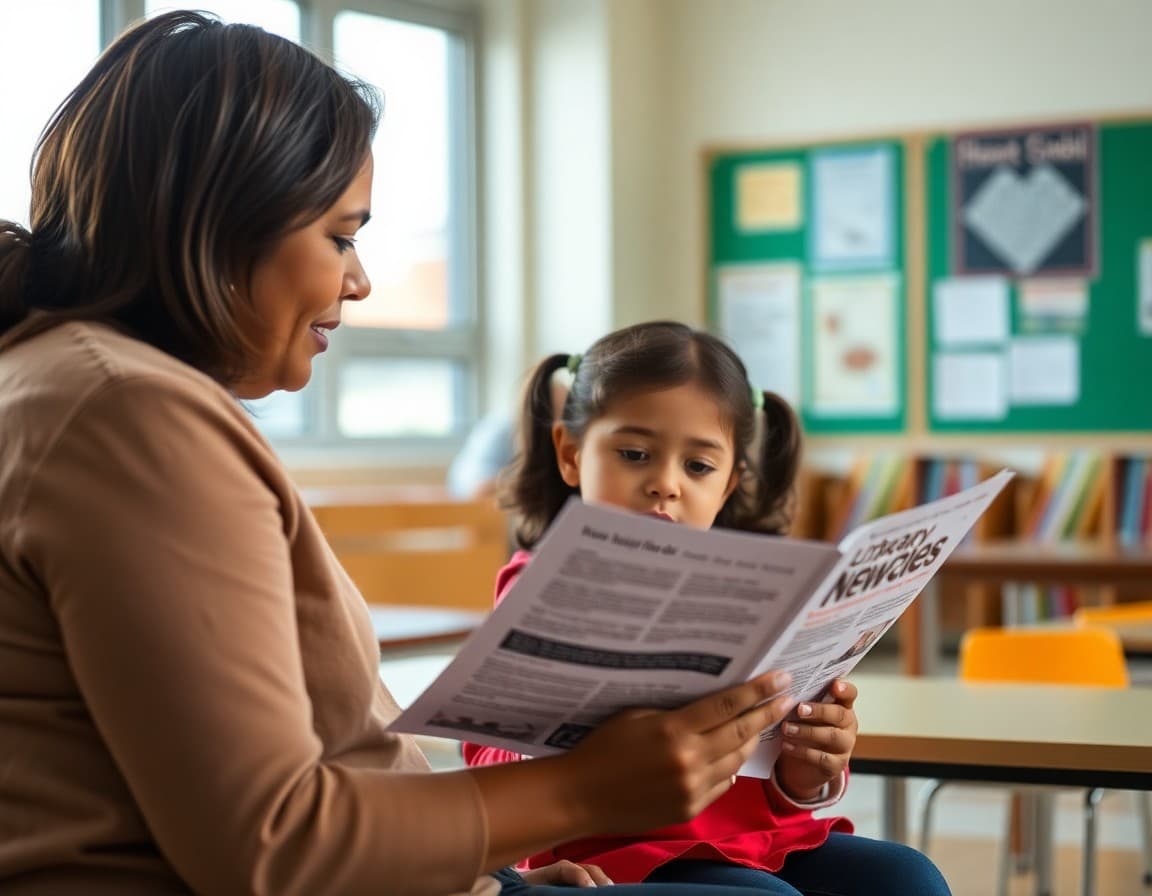
You are teaching reading in Rhode Island, and your families want to know what is happening. A literacy newsletter is one of the best tools you have to bridge the gap between what students do in class and what they can do at home. This guide walks through exactly what to put in yours and how to make it worth reading.
Why Literacy Newsletters Matter in Rhode Island Classrooms
Rhode Island has been working hard on literacy outcomes at the state level, and that effort filters down to classrooms. When families understand what their child is working on and why, they can reinforce it at home. A newsletter is the mechanism that makes that connection happen. Without it, families are guessing. With it, they are partners.
What to Include in Every Issue
Start with the skill or text your class is currently focused on. Name it plainly: "We are working on inferencing with nonfiction texts this week." Then explain what that looks like in practice. Follow with one or two things families can try at home. End with any upcoming dates. That structure alone covers 90% of what families need.
Connecting to Rhode Island Literacy Resources
Rhode Island's public library system is strong, and most districts partner with libraries for reading programs. Mention the Providence Public Library or local branches when relevant. If your school participates in the state's Read to Succeed initiative, explain what that means for your students. Families appreciate knowing their child's classroom is connected to something larger.
Aligning With State Reading Standards
Rhode Island uses the Common Core standards for English Language Arts. You do not need to quote the standard code in your newsletter, but you can translate the goal into plain language. "This month we are working on identifying the main idea and supporting details, which is a key skill for reading nonfiction at this grade level." That sentence tells parents where you are and why it matters without using jargon.
Home Practice Ideas That Actually Work
The best home practice suggestions are specific and low-effort. "Ask your child to read the back of a cereal box and tell you three things they learned" is more actionable than "read together for 20 minutes." Give families a question they can ask after reading, a game to try, or a short text to explore together. Make it feel doable, not like homework for the parent.
A Sample Newsletter Section
Here is a short excerpt you can adapt: "This week in reading, we are working on fluency. We read the same short passage three times, each time trying to make it sound more like natural speech. At home, try reading a favorite book aloud together. Pause and ask: does that sound like how a person would actually say it? That one question builds fluency faster than almost anything else." That kind of writing respects families' time and gives them something concrete.
Making the Newsletter Look Professional
Families judge the newsletter before they read it. A clean layout with a photo of students working, a readable font, and consistent sections each month builds trust. It signals that you are organized and that the content is worth their attention. Daystage makes this easy with templates that look polished without requiring any design skills. You write, it handles the layout.
Sending and Tracking Engagement
Paper newsletters get lost in backpacks. Digital ones land directly in a parent's inbox or phone. If you send through Daystage, you can see who opened it and follow up with families who may have missed it. That visibility helps you close communication gaps before they become bigger issues.
Get one newsletter idea every week.
Free. For teachers. No spam.
Frequently asked questions
What should a Rhode Island literacy newsletter include?
Focus on what your class is reading, how families can support at home, and any Rhode Island-specific programs or resources available. Include grade-level reading goals aligned with state standards so families know what to expect.
How often should I send a literacy newsletter?
Most teachers find monthly works well. It gives you enough time to have meaningful updates without overwhelming families. If you are in the middle of a big reading unit, a mid-unit update can help parents stay connected.
Are there Rhode Island-specific literacy programs I should mention?
Yes. Rhode Island has a Read to Succeed initiative and many districts participate in summer reading programs through local public libraries. Mentioning these shows families you know the local landscape and gives them actionable next steps.
How do I get families to actually read the newsletter?
Keep it short, lead with what kids are doing right now, and include one specific thing they can do at home this week. Newsletters that feel relevant get read. Generic ones get recycled.
What tool makes sending literacy newsletters easier?
Daystage lets you build a literacy newsletter visually, add photos of students reading, and send it directly to families in one step. Teachers across Rhode Island use it to save time on communication without sacrificing quality.

Adi Ackerman
Author
Adi Ackerman is a former classroom teacher and curriculum writer with 8 years in K-8 schools. She writes about school communication, parent engagement, and what actually works in real classrooms.
More for Classroom Teachers
Ready to send your first newsletter?
3 newsletters free. No credit card. First one ready in under 5 minutes.
Get started free