

School Newsletter for National Read Across America Day: Ideas and Template
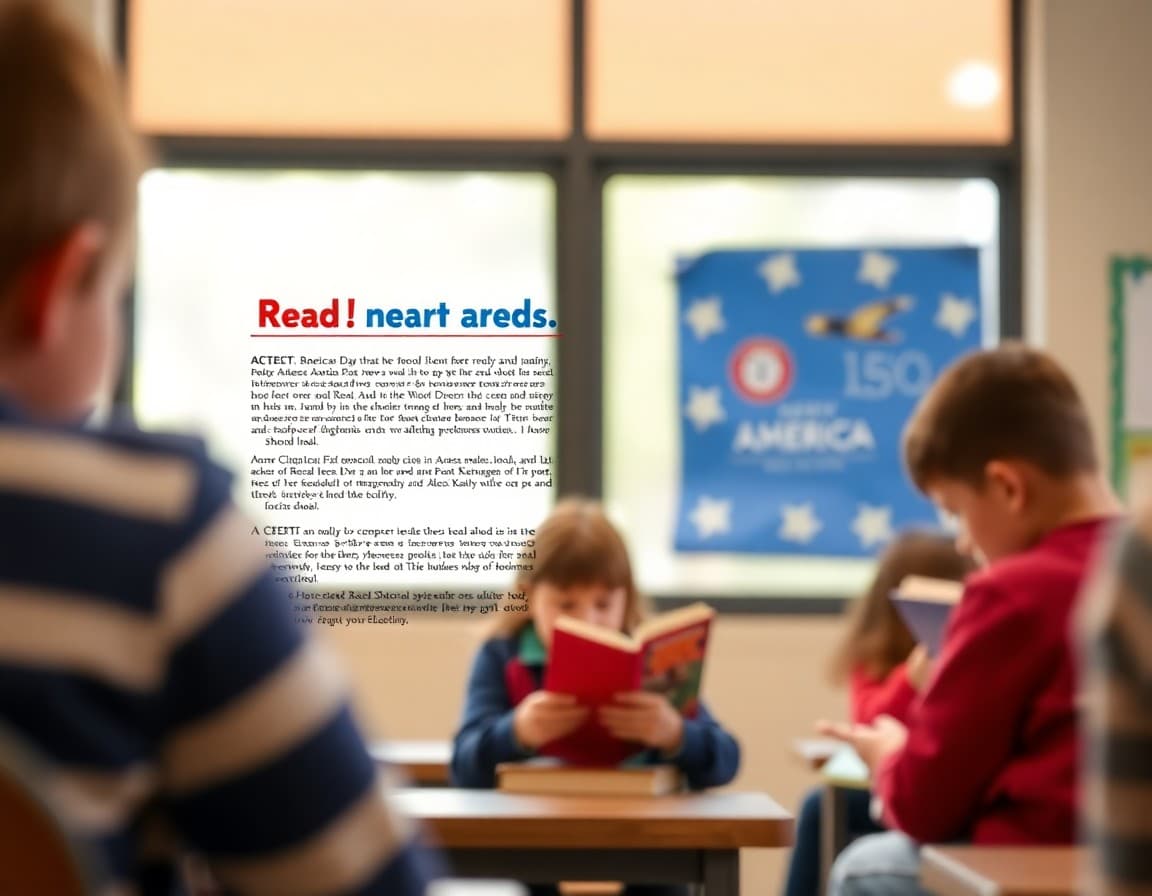
Read Across America Day on March 2 is one of the most reliably exciting days in the elementary school calendar. Students in Cat in the Hat hats, guest readers in the classroom, school-wide silent reading time, and the general electricity of a building that has decided reading is the priority of the day -- it is a genuine community event. A newsletter that previews the activities, extends the celebration to home, and gives families something specific to do in the evening makes the impact of the day last longer than the school day itself.
What Read Across America Actually Celebrates
Read Across America Day was established by the National Education Association in 1998 on the birthday of Theodor Geisel -- Dr. Seuss -- to promote reading for pleasure across all ages. Over the past several years, the celebration has evolved. The NEA has shifted its focus away from centering exclusively on Dr. Seuss following scholarship highlighting racial stereotypes in some of his works, and now promotes diverse reading representing many authors and communities. Many schools now use the week to introduce students to books by authors of color, to celebrate reading in multiple languages, and to highlight genres and formats beyond picture books. Your newsletter should reflect what your school is actually doing.
School Activities to Preview
Tell families what the school is doing for Read Across America week, day by day if possible. "Monday: Favorite Character Costume Day (optional -- students may dress as any book character they love). Tuesday: Guest Reader visits -- parents and community members will read aloud in classrooms all morning. Wednesday: Read to a Friend -- older students partner with kindergarteners for a 30-minute read-aloud. Thursday: School-wide Drop Everything and Read (DEAR) time at 10:00 AM for 20 minutes. Friday: Celebrate with the Book Fair." That kind of day-by-day preview helps families prepare, coordinate costumes, and plan to attend any family-facing events.
Guest Reader Invitation
Many Read Across America activities include guest readers -- parents, grandparents, community members, or local professionals who come in to read aloud to a class. If your school is hosting guest readers, the newsletter is the place to invite them and give them instructions. "Do you want to read to our class? Sign up for a 30-minute reading slot between March 1-5 using this link. Choose any book you love and come ready to share why you love to read. No experience necessary -- just enthusiasm." Parents who have never considered visiting school for this purpose often sign up enthusiastically when the invitation is specific and low-barrier.
Template Section: Family Read-Aloud Night
Here is a family read-aloud section that gives families a specific and achievable plan:
"Read Across America at Home -- March 2: Tonight, sit together as a family and read one book aloud. Any book is fine -- a picture book, a chapter, a magazine article, or a poem. Try giving each character a different voice. When you're done, ask your student: if you could step into this book for one day, which character's day would you want to have? Send us your answer in a quick email and we will share responses (anonymously) at school this week. Happy reading!"
A Diverse Reading List to Share
Include a short list of books to recommend alongside or instead of Dr. Seuss. Ask the school librarian for three to five recommendations that represent diverse authors and characters at your grade level. For elementary: "Last Stop on Market Street" by Matt de la Pena, "Alma and How She Got Her Name" by Juana Martinez-Neal, and "The Name Jar" by Yangsook Choi are strong Read Across America options at the picture book level. For chapter books: "Front Desk" by Kelly Yang and "Inside Out and Back Again" by Thanhha Lai. Including specific titles with diverse authorship signals that your classroom's reading culture is broad and intentional.
Extending the Celebration Beyond March 2
Read Across America is a useful trigger for launching or reinforcing a year-round reading habit. Use the newsletter to introduce a classroom reading challenge that starts on March 2 and runs through June: "Read 15 books by the last day of school and earn a certificate and a spot on our Class Reader Wall." Give families the challenge parameters in the March 2 newsletter so they have three months to complete it rather than two weeks. The most durable reading habit interventions are ones that start on a culturally resonant date and extend long enough to become routine.
Get one newsletter idea every week.
Free. For teachers. No spam.
Frequently asked questions
When is National Read Across America Day?
Read Across America Day is March 2, the birthday of author Theodor Geisel -- Dr. Seuss. It was established by the National Education Association in 1998. Many schools celebrate for the entire first week of March, with a different reading activity each day. The newsletter should be sent the week before so families can plan to participate in home reading activities and school events.
Should Read Across America newsletters still center Dr. Seuss books?
The National Education Association has shifted Read Across America away from its exclusive focus on Dr. Seuss following research revealing racial stereotypes in some of his works. Many schools now use Read Across America as a broader reading celebration featuring diverse authors and books. The newsletter can reflect your school's approach -- if you are using a diverse reading list, describe it; if you still feature Dr. Seuss alongside other authors, note both.
What classroom activities work for Read Across America week?
Effective activities include guest readers from the community, students reading to students across grade levels (older students read to younger), a school-wide silent reading time, a read-aloud marathon, a favorite book character costume day, author studies, and classroom book trades where students bring a book to give and take one home. The newsletter should preview whichever activities your school is running.
How do I encourage a family read-aloud at home for Read Across America Day?
Give families a specific prompt: 'Tonight, read one book aloud together -- any book. Have the reader do voices for different characters. Ask your student after: which character would you want to meet, and why?' That is enough for a meaningful read-aloud experience that most families can execute in 15 minutes. Specific prompts dramatically increase the likelihood that families follow through.
Can Daystage help send a Read Across America newsletter with photos from classroom reading activities?
Yes. Daystage supports photo inclusion in newsletters, so teachers can share a photo from the classroom's reading celebration alongside the text content. A newsletter with a photo of students in their favorite book character costumes or gathered for a read-aloud generates far more parent response than a text-only communication.

Adi Ackerman
Author
Adi Ackerman is a former classroom teacher and curriculum writer with 8 years in K-8 schools. She writes about school communication, parent engagement, and what actually works in real classrooms.
More for Classroom Teachers
Ready to send your first newsletter?
3 newsletters free. No credit card. First one ready in under 5 minutes.
Get started free