
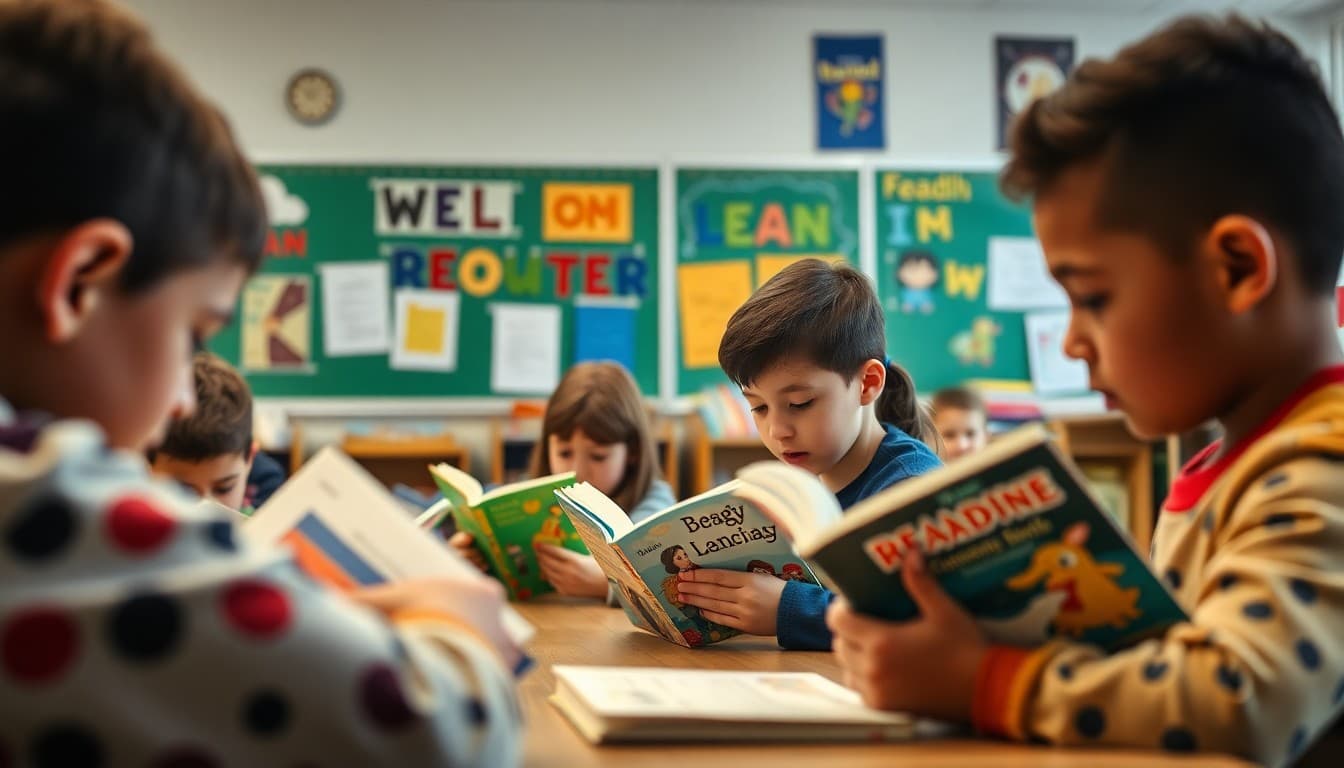
School Newsletter for National Literacy Month: Ideas and Template
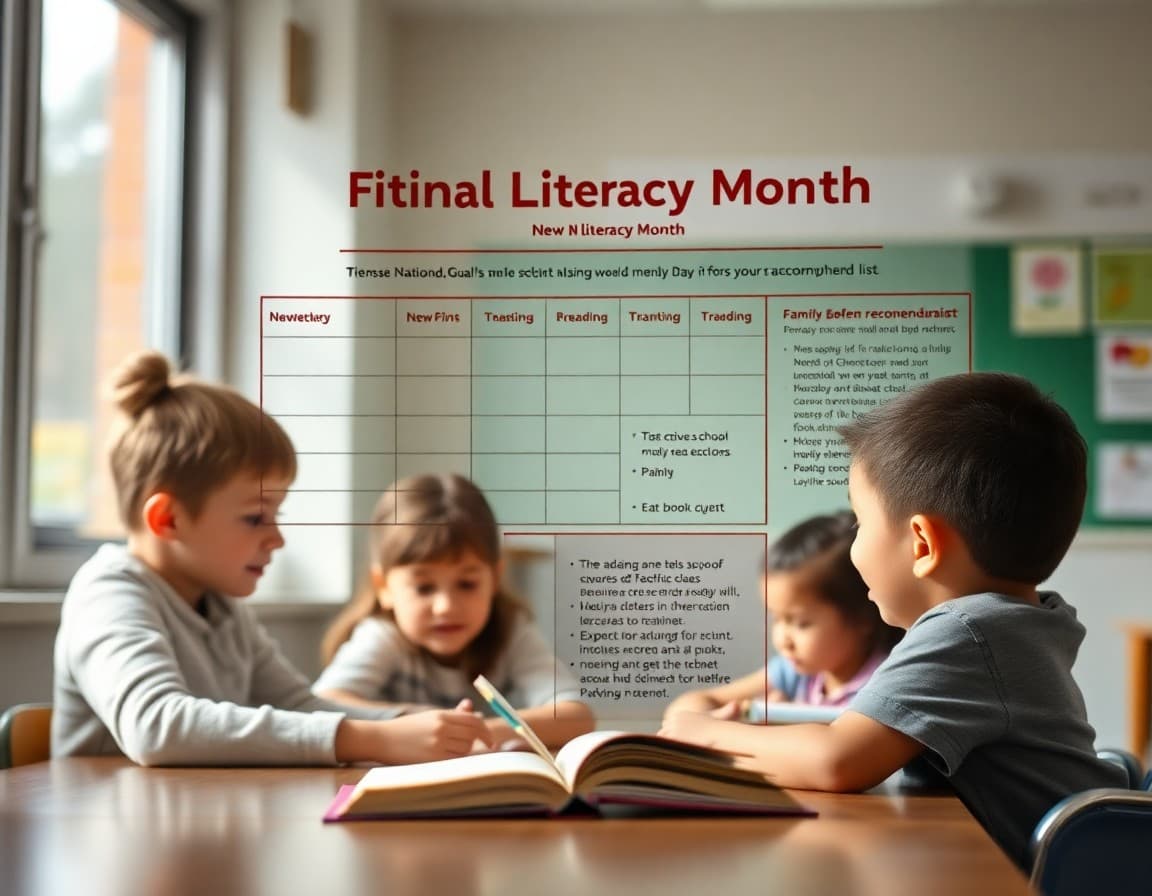
September is National Literacy Month, and it arrives at the perfect moment in the school year. Families are establishing new routines, students are setting goals, and teachers are building the reading habits that will carry students through the rest of the year. A literacy-focused September newsletter is both a celebration of reading and a practical guide for families who want to support their student's reading development at home.
Why September Is the Right Time for a Literacy Newsletter
Reading habits formed in September tend to stick. Research on reading achievement consistently shows that students who establish consistent daily reading routines in the first weeks of school outperform students who do not, even when controlling for starting reading level. September is also when families are most open to establishing new routines -- the back-to-school energy is real, and a newsletter that arrives in the first weeks of school with specific reading guidance reaches families at the moment of highest receptivity.
What the Classroom Is Doing for Reading This Year
Tell families specifically how reading is taught in your classroom. Is this an independent reading model where students choose their own books? A structured literacy approach with explicit phonics instruction? A literature circle model with shared texts? A workshop model with mini-lessons and independent reading? Most families have never heard these instructional terms and do not understand the difference -- explaining your approach in two sentences helps families understand what their student is experiencing and why. "This year we are using a workshop model where students choose their own books and meet with me in small groups twice a week to discuss what they are reading" is clear and reassuring.
Reading Goals: Making Them Concrete
A reading goal that families can track is more powerful than a general encouragement to read more. "Our class goal is for every student to read 20 books by June. We are using a reading log in the classroom, and you can see your student's progress in their reading folder every Friday." That framing is specific, includes a metric, and tells families how to stay informed. For younger students, a goal like "We want every student to move up two reading levels by January" is concrete and motivating. Include the goal in the newsletter and explain what families can do at home to support it.
Template Section: Reading at Home This Month
Here is a family literacy section appropriate for most grade levels:
"National Literacy Month -- September: Our classroom goal is for every student to read 20 minutes per day at home. That adds up to 100 minutes per week and nearly 3,000 minutes by June -- research shows this level of reading practice significantly improves fluency and comprehension. Here is how to make it work: same time every day (after dinner works for most families), any book your student enjoys and can read independently, and a brief conversation about what they read. Ask them one question: 'What happened in your reading today?' That's enough."
Building the Home Library
Students who have books at home read more than students who do not -- this finding is one of the most consistent in literacy research. A newsletter section that tells families how to build a low-cost home library is genuinely useful. Options: public library cards are free and give access to thousands of books and e-books. Scholastic Book Fairs and book order flyers bring affordable books directly to school. Little Free Libraries in many neighborhoods provide free book exchanges. Thrift stores often have children's books for 25 cents each. Specific, affordable options are more useful than a general suggestion to "surround your child with books."
Grade-Specific Reading Recommendations
Include a short reading list for your grade level -- three to five books that students are likely to love and that represent a range of genres. For elementary, include one nonfiction, one narrative fiction, and one picture book for read-alouds. For middle school, include one adventure, one realistic fiction, and one biography. For high school, include one literary fiction and one contemporary nonfiction. Ask the school librarian for help curating the list -- librarians know what students in your building are actually reading and enjoying, which is more useful than a generic bestseller list.
Connecting Literacy to Everything Else
Reading is not just a language arts skill -- it is the foundation of success across every subject. A student who reads well in fourth grade learns science more effectively, writes social studies essays more clearly, and follows math word problems more accurately. Making this connection explicit in the newsletter gives families a reason to prioritize reading practice even when competing with sports, screens, and social activities. "Twenty minutes of reading per day is the highest-return academic investment your family can make" is a sentence that parents remember because it is both true and specific.
Get one newsletter idea every week.
Free. For teachers. No spam.
Frequently asked questions
When is National Literacy Month?
September is National Literacy Month in the United States, making it a natural fit for back-to-school newsletters. The timing is ideal -- families are establishing new routines, students are setting goals for the year, and teachers are building reading habits in the first weeks of school. A September literacy newsletter doubles as a reading expectations communication.
What reading habits should a National Literacy Month newsletter encourage?
Research supports consistent daily reading time, read-alouds in the home (even with older students), access to books at a comfortable reading level, and conversations about what students are reading. The newsletter can suggest 20 minutes of daily independent reading, one family read-aloud per week, and a library visit to build the home book supply. These habits are specific and achievable for most families.
How do I explain reading levels to families without making it feel judgmental?
Frame reading levels as a starting point, not a ceiling. 'Your student is reading at a [level] right now, and our goal is to reach [level] by May. Here is how we get there together.' Avoid deficit language. Instead of 'struggling reader,' say 'developing reader' or 'building fluency.' Families are more likely to engage with reading support at home when they feel like partners rather than recipients of bad news.
What family literacy activities work for all grade levels?
For K-2: read aloud to your student every night, even after they can read independently. Have them retell the story in their own words. For grades 3-5: read the same book as your student and discuss it together. Take turns reading aloud. For middle school: ask your student what they are reading independently and have a conversation about a character or event. For high school: share an article or book you are reading and discuss it. All of these activate family literacy without requiring special materials.
Can Daystage help teachers send a National Literacy Month newsletter with reading lists and tracking links?
Yes. Daystage lets teachers embed reading list links, library sign-up links, and reading tracker forms directly in the newsletter. Teachers use it to send September literacy newsletters that connect families to specific resources rather than just general reading encouragement.

Adi Ackerman
Author
Adi Ackerman is a former classroom teacher and curriculum writer with 8 years in K-8 schools. She writes about school communication, parent engagement, and what actually works in real classrooms.
More for Classroom Teachers
Ready to send your first newsletter?
3 newsletters free. No credit card. First one ready in under 5 minutes.
Get started free