

Alabama Literacy Newsletter: Local Resources and Reading Guide
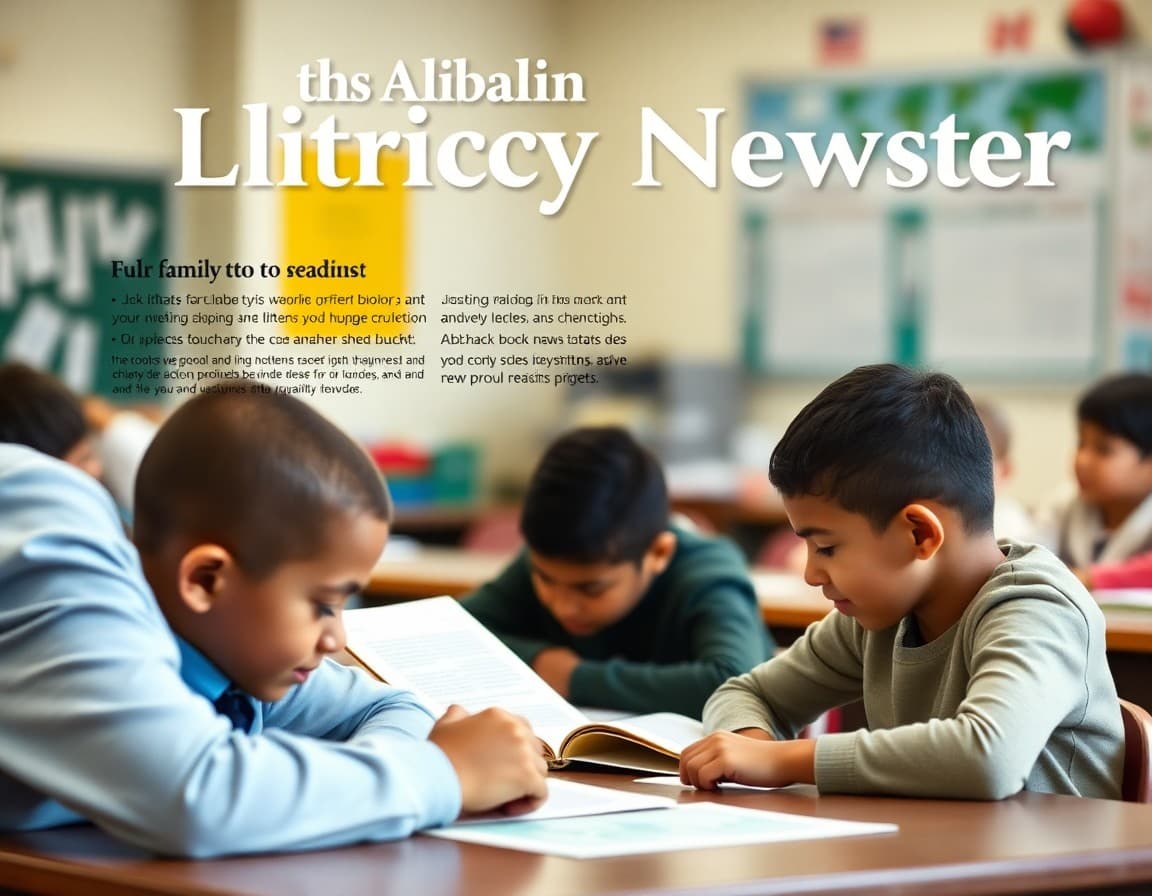
Alabama families want to support their child's reading, but they often do not know what the school is working on or what they can do at home to reinforce it. A focused literacy newsletter bridges that gap. When families understand the goals, the benchmarks, and the specific skills their child is practicing, they can become real partners in building reading ability.
What Alabama's Literacy Expectations Mean for Your Class
Alabama's literacy law sets a clear expectation: students should be reading proficiently by the end of third grade. That benchmark shapes instruction at every grade level below it. In your newsletter, name the specific skills your grade is working on this month and connect them to that benchmark. "We are working on phonemic awareness this month. Students who hit our fluency goal by spring are on track for the third-grade reading standard." That framing helps families see the purpose behind daily reading instruction.
How You Measure Reading Progress
Describe your assessment system in plain terms. Running records, fluency checks, comprehension assessments, whatever you use. Let families know when you assess, what the results mean, and when they can expect to hear how their child is doing. "We run a fluency check every six weeks. After the next assessment, I will send home a brief note with your child's score and what it means for their progress toward grade level." Clear communication about assessment timing reduces parent anxiety.
Alabama Library Resources Families Can Use
The Alabama Public Library Service offers free library cards and digital access to thousands of books through apps like Libby and CloudLibrary. Most Alabama public libraries also offer summer reading programs that keep skills sharp over the break. Including a library resource mention in your newsletter, especially in the spring before summer, gives families a concrete next step.
Building the Daily Reading Habit at Home
Ten minutes of reading per day has a measurable effect on reading fluency by the end of a school year. That is the simplest message you can send Alabama families. Do not complicate it. Ten minutes, any book the child is interested in, any time of day that works. Reading aloud together counts too. The habit matters more than the specific book or the time of day.
A Template Section for Your Literacy Newsletter
Reading focus this month: [skill or strategy the class is working on]
Where the class stands: [plain-language description of class-level progress, no individual data]
Alabama standard connection: [brief reference to the relevant benchmark]
Try this at home: [one specific reading activity families can do this week]
Local resource: [one Alabama library or program families can access for free]
Addressing Reading Intervention Support
If some students in your class are receiving additional reading support, describe that program generally in the newsletter without identifying students. "Students who are below benchmark are receiving small-group intervention three times per week. We are seeing strong progress in that group." Families of struggling readers often feel isolated. Knowing the support exists and is working reduces that anxiety.
Summer Reading Recommendations
Before the school year ends, publish a reading list for the summer. Grade-appropriate, high-interest books that will keep students reading through July and August. Alabama summers are long. Students who read through summer arrive in September ahead of those who do not. A specific list with three to five titles per reading level is more useful than a general recommendation to read over the break.
Making the Newsletter Two-Way
End each literacy newsletter with a question for families. "What is your child reading at home right now?" or "Has anything you saw in the newsletter this month been useful to try?" Two-way communication about literacy keeps families engaged over time and gives you information about what is actually happening at home. Those answers often shape what you prioritize in the next newsletter.
Get one newsletter idea every week.
Free. For teachers. No spam.
Frequently asked questions
What should an Alabama literacy newsletter include?
Align it to Alabama's literacy standards and any current state reading initiatives. Include what reading skills the class is working on this month, how progress is measured, and what families can do at home. Alabama has specific grade-level expectations under its literacy law, so naming those benchmarks helps families understand what their child is working toward.
What is Alabama's literacy law and how does it affect classroom newsletters?
Alabama requires reading proficiency by the end of third grade. Teachers are required to assess and report on reading progress regularly. A strong literacy newsletter communicates those assessments to families in plain language, connects daily reading habits at home to school benchmarks, and keeps parents informed about intervention support if their child needs it.
What free literacy resources are available for Alabama families?
Alabama Public Library Service provides free library cards and digital resources including eBooks and audiobooks. Reach Out and Read programs operate in many Alabama pediatric clinics. The Alabama State Department of Education publishes family reading guides. Mentioning these resources in your newsletter connects families to support beyond the classroom.
How often should I send a literacy newsletter to Alabama families?
Monthly is a solid baseline for a dedicated literacy update. Weekly classroom newsletters can include a brief literacy section. The goal is consistent, plain-language communication that keeps families engaged with reading progress without overwhelming them with data.
Can Daystage help Alabama teachers send professional literacy newsletters?
Yes. Daystage is designed for school communication and makes it easy to create formatted literacy newsletters with reading tips, progress updates, and resource links. Alabama teachers can set up a consistent monthly template and send it in minutes without leaving their classroom workflow.

Adi Ackerman
Author
Adi Ackerman is a former classroom teacher and curriculum writer with 8 years in K-8 schools. She writes about school communication, parent engagement, and what actually works in real classrooms.
More for Classroom Teachers
Reading Updates in Classroom Newsletters: What Parents Want to Know
Classroom Teachers · 5 min read
School Newsletter for National Literacy Month: Ideas and Template
Classroom Teachers · 6 min read
ELA Curriculum Update in Your Classroom Newsletter: What Parents Need to Know
Classroom Teachers · 6 min read
Ready to send your first newsletter?
3 newsletters free. No credit card. First one ready in under 5 minutes.
Get started free