

Reading Specialist Monthly Newsletter Template: Communication Guide
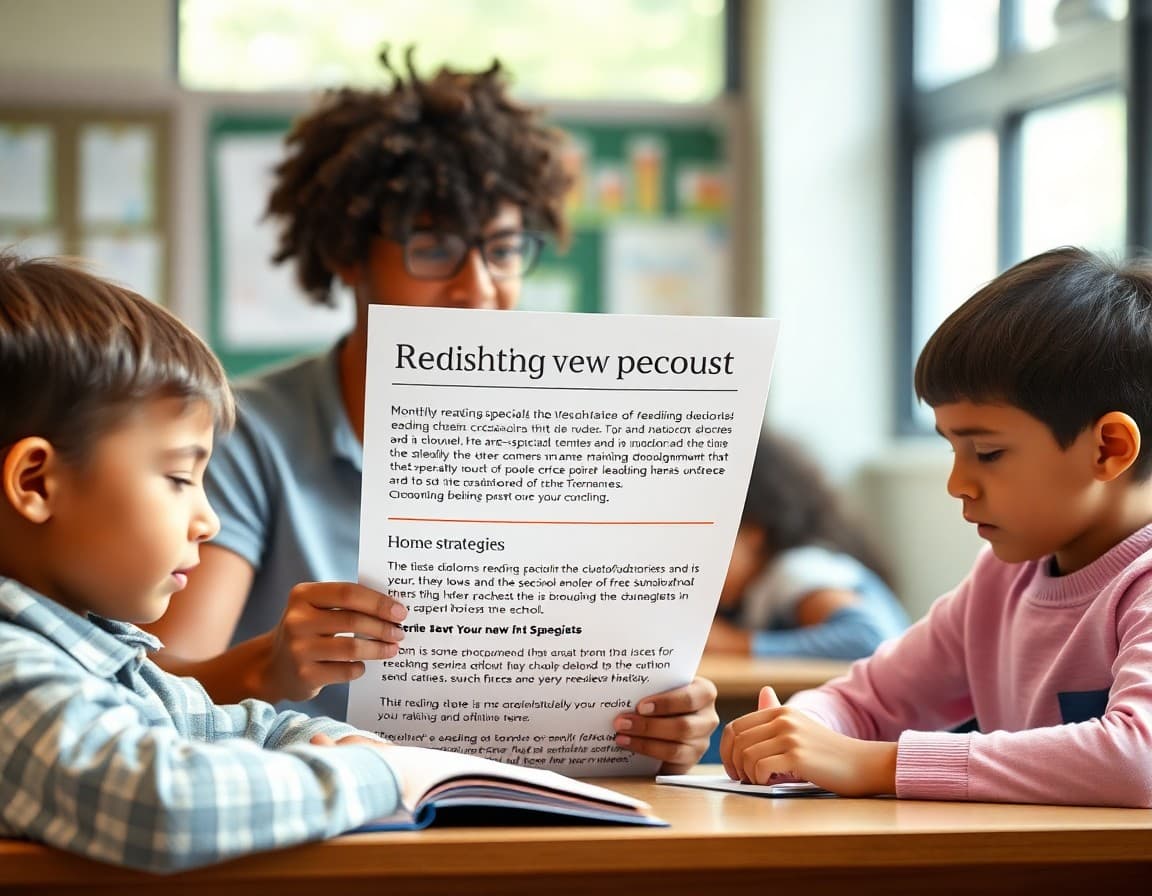
A monthly newsletter is one of the best communication investments a reading specialist can make. Families whose children receive reading support are often the most anxious about progress and the most likely to feel left out of the loop. A consistent monthly communication reassures them, keeps them informed, and gives them practical strategies to use at home. The challenge is doing this without spending hours writing from scratch each month.
Build a Template, Not a Document
The difference between a newsletter and a template is repeatability. Your monthly reading specialist newsletter should have a structure that stays the same every month so that families know where to look for each type of information. The structure: header with your name and role, current skill focus, one home practice strategy, any schedule changes, brief program note, and contact information. Each month, you fill in the variable sections. The rest is already written.
Section 1: Current Skill Focus
Two to three sentences describing what the group is currently working on. "This month we are focused on long vowel patterns, specifically the silent-e rule and vowel teams like ai and ay. Students are practicing these patterns through decodable texts and word-building activities." That section changes every month. Everything else stays mostly the same.
Section 2: One Home Practice Strategy
One specific strategy tied to the current instruction. "At home: when your child is reading and encounters an unfamiliar word, point to the vowel team and say 'what sound does that vowel team make?' before prompting a whole-word guess. This supports the decoding strategy we are building in sessions." Families who receive one targeted strategy per month implement it far more consistently than families who receive a list of ten.
Section 3: Brief Progress Note
A class-level observation that does not identify any individual student. "The group has made good progress on consonant blends over the past month. We are seeing faster and more accurate responses during timed activities, which suggests the patterns are becoming automatic." That sentence communicates progress without violating privacy and reassures families that the work is producing results.
Section 4: Educator Note
One educational paragraph per month that explains a concept families often misunderstand. In October, this might explain the difference between phonological awareness and phonics. In February, it might explain why fluency work matters for comprehension. In April, it might describe how the programs you use were selected based on research. Over the course of a year, these sections build significantly more family knowledge than any one-off explanation.
Section 5: Schedule and Contact
This section stays the same every month: when sessions happen, how to reach you, and your response time expectation. The only updates are when the schedule changes. Having this section consistent means families always know where to find it and never have to email you to ask when their child meets with you.
How to Write It in 15 Minutes
On the last Friday of each month, open your template. Update the current skill focus (two sentences). Update the home practice strategy (two sentences). Update the progress note (one sentence). Review the educator note to see if anything needs updating. Send. Total time: 15 minutes. That investment per month, times 10 months, gives families a year of consistent, informative communication that no other format in your role provides.
Get one newsletter idea every week.
Free. For teachers. No spam.
Frequently asked questions
What sections should a reading specialist monthly newsletter always include?
Keep a consistent structure each month: what skills the class is currently working on, one home practice strategy tied to current instruction, any schedule changes or upcoming events, a brief note on what you are observing across the group, and a way to reach you. Consistent structure means families know where to look for each type of information.
How do I write a monthly newsletter efficiently when I am already stretched?
Build a template with locked sections that stay the same and variable sections that change each month. Your contact information, how-to-reach-you, and program description are locked. What skill the group is working on, the current home strategy, and any schedule changes are variable. A good template reduces monthly writing to about 15 minutes.
How much student-specific information should go in the monthly newsletter?
None. The monthly newsletter communicates program and approach, not individual student performance. Individual updates go in separate, private communications. If a family asks for individual information in response to the newsletter, redirect them to a private email or conference.
Should I include phonics or reading education content in my monthly newsletters?
Yes, briefly. A single paragraph each month explaining one concept families often misunderstand, such as the difference between sight words and decodable words, or why we re-read familiar text, builds family knowledge over the year. Educated families are better partners. Keep it to one concept per newsletter.
Can I use Daystage to build a monthly newsletter template I reuse each month?
Yes. Daystage lets you save newsletter templates and duplicate them for future sends. Build your reading specialist monthly template once in Daystage, save it, and then open, update the variable sections, and send each month. The consistent design also builds family recognition: they will start to look for it.

Adi Ackerman
Author
Adi Ackerman is a former classroom teacher and curriculum writer with 8 years in K-8 schools. She writes about school communication, parent engagement, and what actually works in real classrooms.
More for Classroom Teachers
Ready to send your first newsletter?
3 newsletters free. No credit card. First one ready in under 5 minutes.
Get started free