

Reading Specialist Newsletter Guide: Complete Communication Guide
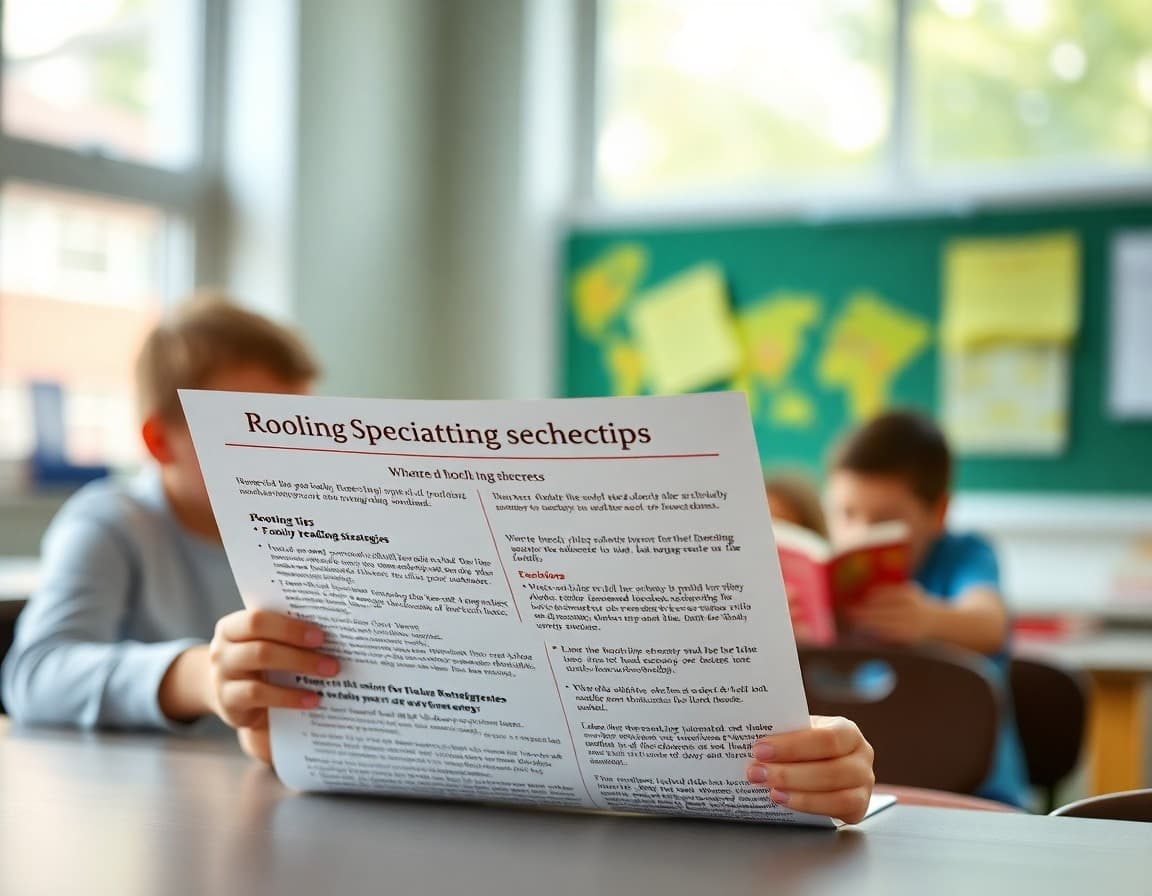
Reading specialists often carry a communication gap that classroom teachers do not. Parents know their child sees a reading specialist but frequently have no clear picture of what that means: what the specialist does, what program is used, how often the child is seen, or how progress is measured. Newsletters close that gap before it creates confusion or anxiety, and they establish the trust that makes family cooperation much more effective.
Explain Your Role in Plain Terms
Do not assume families understand what a reading specialist does. Many parents conflate the role with the classroom teacher, the school psychologist, or a tutor. Be direct: "I am the school reading specialist. I provide targeted, evidence-based reading instruction to students who need additional support developing phonics, fluency, or comprehension skills. I work in small groups of two to four students, typically two to three times per week. I coordinate closely with classroom teachers to ensure what I do in my sessions reinforces the classroom curriculum." That paragraph answers the three most common questions before families ask them.
Describe Your Instructional Approach
Name the program or framework you use. Families who know you use Orton-Gillingham, Wilson Reading, RAVE-O, or another evidence-based approach feel more confident in the process. If you use an eclectic, research-informed approach rather than a single branded program, say that too: "I draw on structured literacy principles including explicit phonics instruction, decodable text practice, and fluency building exercises." Specificity builds credibility.
How Students Are Referred to Your Services
Explain the referral process clearly. Does it start with classroom teacher observation? Does it require a diagnostic assessment? Does it go through a student support team? What does the entry process look like and what does it take to move in or out of services? Families who understand the system are far less likely to feel their child is being tracked or labeled.
What Families Can Do at Home
Give families two or three specific, actionable strategies tied to the work you are doing in sessions. If you are working on phonics patterns, tell families which specific patterns to watch for in books at home. If you are building fluency, recommend re-reading familiar books as a warm-up strategy. If comprehension is the focus, share three questions families can ask after any reading: "What happened? Why did that happen? What do you think will happen next?"
How Progress Is Communicated
Tell families how and when they will hear about their child's progress. Reading specialists often communicate separately from classroom report cards. Be explicit: "I will send a brief progress update at the end of each quarter. For students with IEPs or 504 plans, progress notes are included in those reports. If you want to check in at any other time, please email me." Setting those expectations prevents families from assuming no news is good news.
Common Questions Addressed Directly
End with a short Q and A section that addresses the questions you receive most often. "Q: Will my child be in reading support forever? A: Most students receive support for one to two years and then exit services with grade-appropriate skills. The timeline depends on the specific skill gap and how quickly it responds to instruction." That kind of transparency transforms a newsletter from an announcement into a genuine communication tool.
Get one newsletter idea every week.
Free. For teachers. No spam.
Frequently asked questions
What should a reading specialist include in a family newsletter?
Explain your role and how you differ from the classroom teacher, what programs or approaches you use, which students you serve and how referrals work, what families can expect in terms of communication, and how families can support reading skill development at home. The goal is informed families who trust the process.
How often should a reading specialist send newsletters to families?
Three to five times per year is a reasonable cadence for a reading specialist newsletter: back to school, at the end of each quarter with a progress note, and a year-end wrap-up. Individual student communications are separate from the general newsletter. The newsletter communicates your program and approach; individual updates communicate student-specific progress.
How do I explain reading intervention to families without stigmatizing students?
Frame intervention as targeted skill-building rather than remediation. 'Your child is receiving focused support on phonics skills that will accelerate their reading development' is more accurate and less stigmatizing than 'your child is behind in reading.' The focus on skill development keeps families and students in a growth orientation.
What reading strategies should I share with families in newsletters?
Focus on strategies families can actually use: reading aloud together regardless of the student's grade, discussing books after reading rather than during, modeling using context clues and rereading when confused, and letting students attempt difficult words before helping. Keep strategies specific and actionable.
Can a reading specialist use Daystage to communicate with families?
Yes. Daystage is used by classroom teachers but works equally well for specialists. You can build a reading specialist newsletter template, send to just the families of students you serve, and maintain a consistent communication rhythm throughout the year without relying on the classroom teacher to pass along information.

Adi Ackerman
Author
Adi Ackerman is a former classroom teacher and curriculum writer with 8 years in K-8 schools. She writes about school communication, parent engagement, and what actually works in real classrooms.
More for Classroom Teachers
Ready to send your first newsletter?
3 newsletters free. No credit card. First one ready in under 5 minutes.
Get started free