
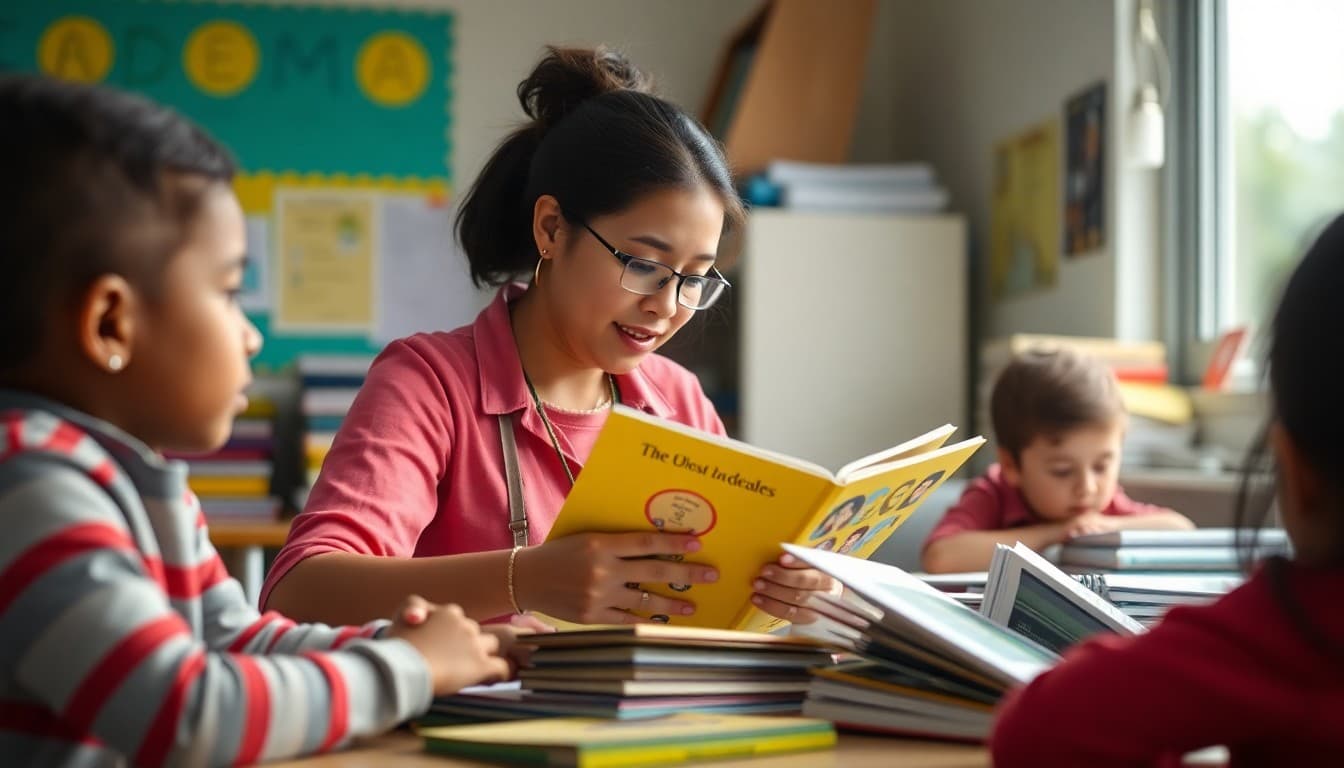
Reading Specialist Back to School Newsletter: Communication Guide

The back-to-school reading specialist newsletter sets the tone for the entire year of partnership with families. Families who understand your program, your timeline, and what their role looks like from the start are significantly more cooperative and informed than families who receive their first communication when something needs to change. This newsletter does the orientation work that makes everything else easier.
Introduce or Re-Introduce Yourself
Do not assume families remember you from last year or know who you are if they are new. A brief introduction establishes the relationship: "My name is [your name], and I am the reading specialist at [school]. I provide evidence-based reading instruction to students who need targeted support developing the foundational skills that make all other reading possible. I have been in this role for [X] years and hold certifications in [relevant credentials]." Two sentences of professional context builds trust before the program begins.
What the First Three Weeks Look Like
Walk families through the assessment and grouping process. "During the first three weeks of school, I conduct individual reading assessments with students who have been referred to my services or who continue from last year. These assessments tell me where each student is in phonics development, fluency, and comprehension. I use results to form small groups and design targeted instruction. Assessment results will be communicated to families by [specific date]." That timeline is clear and specific.
For Returning Students: What Is New This Year
If you have made any changes to your program, materials, or approach, mention them in the newsletter. "This year I am implementing a new decodable reader series that more precisely matches phonics sequences to student skill levels. You may see different materials coming home than last year." Families who notice changes and have not been told about them tend to interpret them as problems. Brief explanation prevents that.
The Session Schedule
Tell families when and how often students will be seen. "Students typically meet with me two to three times per week in groups of two to four students for 30 to 45 minutes. Sessions are scheduled to avoid high-priority classroom instruction whenever possible. I coordinate with classroom teachers on scheduling. If your child misses a session due to illness or field trip, I do not make up individual sessions but we cover the missed content at the next meeting." That level of detail eliminates the most common scheduling questions.
Home Reading Practices for Fall
Give families two specific practices to start the year with. First: read aloud to your child five to ten minutes each evening regardless of their reading level. Listening to fluent reading builds vocabulary and comprehension models. Second: when your child reads to you and stumbles on a word, wait five seconds before helping. That wait gives them time to try a decoding strategy before receiving assistance. Both practices are simple, research-supported, and achievable daily.
How to Reach Me
Close with specific contact information and response time expectations. "The best way to reach me is email. I check and respond within 24 hours on school days. For urgent concerns, please also copy the classroom teacher. I will schedule family conferences as needed throughout the year, particularly after assessments." Clear contact expectations reduce the uncertainty that generates anxious phone calls.
Get one newsletter idea every week.
Free. For teachers. No spam.
Frequently asked questions
When should a reading specialist send a back-to-school newsletter?
Send it during the first two weeks of school, ideally before you begin direct instruction with students. Families whose children are new to your services need to understand the program before sessions start. Families with continuing students appreciate a year-start update that covers any changes in your approach, schedule, or caseload.
What should a reading specialist back-to-school newsletter cover?
Your role and how you serve students, the fall assessment timeline, what families can expect in terms of scheduling and communication, the summer learning check-in for continuing students, and one or two home reading practices to start the year with. Cover the who, what, and when before getting into the how.
How should I communicate assessment results to families in early fall?
Let families know in the newsletter when assessments will happen and when you will communicate results. 'I will be assessing students during the first three weeks of school. Families will receive a brief written summary of results and recommendations by [date].' Setting that timeline prevents families from calling to ask every day in week one.
Should reading specialists mention specific students in the newsletter?
No. The class-wide or school-wide newsletter should not name individual students or their performance. Individual updates belong in direct communication with that student's family. The newsletter communicates the program and approach. Individualized information is private.
Can Daystage send a reading specialist newsletter to a specific group of families?
Yes. Daystage lets you build a subscriber list for your specific families rather than broadcasting to the whole school. You can send your reading specialist newsletter only to the families of the students you serve, which keeps communication targeted and appropriate.

Adi Ackerman
Author
Adi Ackerman is a former classroom teacher and curriculum writer with 8 years in K-8 schools. She writes about school communication, parent engagement, and what actually works in real classrooms.
More for Classroom Teachers
Ready to send your first newsletter?
3 newsletters free. No credit card. First one ready in under 5 minutes.
Get started free