

Readers Workshop Newsletter: Independent Reading at School
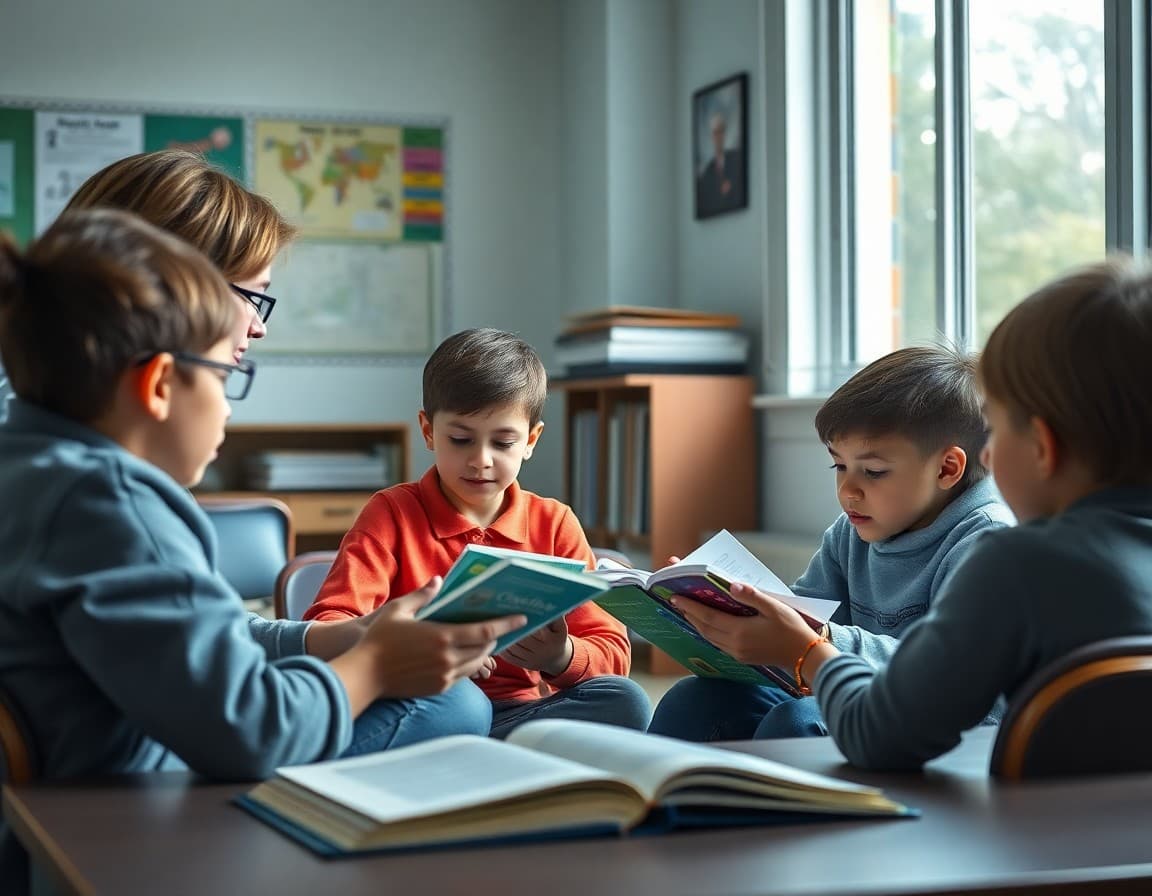
Readers workshop is built on a single premise: students become better readers by reading, a lot, in books they can actually read and actually want to read. That sounds obvious, but it is a real departure from how many parents learned to read: whole-class novel, same text, same pace. When families understand the model and the research behind it, they become better partners in building a reading life at home.
The Structure of a Readers Workshop Block
Give families a clear description of what the reading block looks like. "We start with a 10 to 15 minute mini-lesson focused on one reading strategy: noticing how a character changes, tracking an argument in nonfiction, or identifying the central idea. Students then read independently for 20 to 30 minutes while I move through the room for individual conferences. We close with a brief whole-class share." That structure is easy to explain and makes the block legible.
Why Book Choice Matters
Students who choose their own books read more. That is not a theory; it is consistently documented in reading research. Choice increases engagement, motivation, and the amount of text students actually get through. Tell families: "Students choose books from our classroom library and the school library within a guided level range. The level range ensures they are reading texts that are challenging enough to build skills but accessible enough to maintain flow and enjoyment."
Reading Conferences: The Core of the Work
Explain what conferences look like: "Every week I sit with each student for five to seven minutes. I ask them to read a passage aloud, then we talk about what they are noticing, what strategies they are using, and what is challenging. I teach one specific strategy based on what I see in that individual session." This practice is what differentiates readers workshop from simply giving students free reading time. The conference is where teaching happens.
What Makes a Good Book Choice
Tell families what you look for when students select books: "A good independent reading book is one where your child understands most of what is happening, can read at a reasonable pace, and is genuinely curious about what comes next. If they are stopping to decode every other sentence, the book is too hard. If they are never challenged, it might be too easy. The sweet spot is where they are slightly stretched but still hooked."
The Home Reading Connection
Readers workshop reinforces the importance of reading at home. Give families concrete expectations: "Students are expected to read for 20 to 25 minutes each school night. The book should be the same one they are reading in class or another book at a similar level. Reading the same book at home and school builds stamina and gives us more to talk about in conferences."
What to Do When Your Child Abandons a Book
This happens and families handle it in wildly different ways. Tell them your policy: "Students are allowed to abandon a book that is not working for them after giving it a fair try, usually the first 50 pages. Forced reading of a book a student genuinely dislikes produces resentment, not reading. If your child abandons a book at home, encourage them to pick a new one rather than giving up on reading entirely." That gives families a clear framework.
How Families Can Support Readers Workshop at Home
Two specific actions: visit the library or bookstore together and let your child choose. Ask your child every week: "What has happened in your book since last time?" That simple question maintains accountability, generates conversation, and signals that reading matters. Parents who read in front of their children also have measurably more motivated readers. You do not have to make it formal. Just be seen reading.
Get one newsletter idea every week.
Free. For teachers. No spam.
Frequently asked questions
What is readers workshop and how do I explain it to parents?
Readers workshop is a structured reading block where students read independently at their own level while the teacher delivers short whole-class lessons and then meets individually with students or small groups. The format prioritizes student choice in books (within guidelines), high volume reading, and regular one-on-one teacher conferences about reading strategies.
Why are students allowed to choose their own books?
Book choice is central to building reading identity and stamina. Research consistently shows that students read more and develop deeper comprehension when they are genuinely interested in what they are reading. Guided choice within a level range gives students independence while ensuring they are reading texts that actually develop their skills.
How do teachers know if students are actually reading during independent reading time?
Reading conferences are the primary accountability tool. Teachers sit with each student regularly and ask about their book: what is happening, what strategies they are using, and what they are thinking as they read. A student who has not been reading cannot answer conference questions. The conference also provides real teaching opportunities in the moment.
What if my child says they do not like any books?
This is common and worth investigating. Often a student who says they do not like reading has not found the right book or format. Graphic novels, audiobooks paired with print, high-interest nonfiction, and books tied to their existing interests can shift the relationship. Let your child's teacher know if this is a pattern.
Can I see a list of books my child's class is reading in a Daystage newsletter?
Yes. Some teachers use Daystage to share a monthly reading spotlight that includes student book recommendations and what the class has been exploring in reading conferences. Families who see what their child's peers are reading are often motivated to visit the library together.

Adi Ackerman
Author
Adi Ackerman is a former classroom teacher and curriculum writer with 8 years in K-8 schools. She writes about school communication, parent engagement, and what actually works in real classrooms.
More for Classroom Teachers
Ready to send your first newsletter?
3 newsletters free. No credit card. First one ready in under 5 minutes.
Get started free