

5th Grade Reading Log Newsletter: Home Reading Program Guide
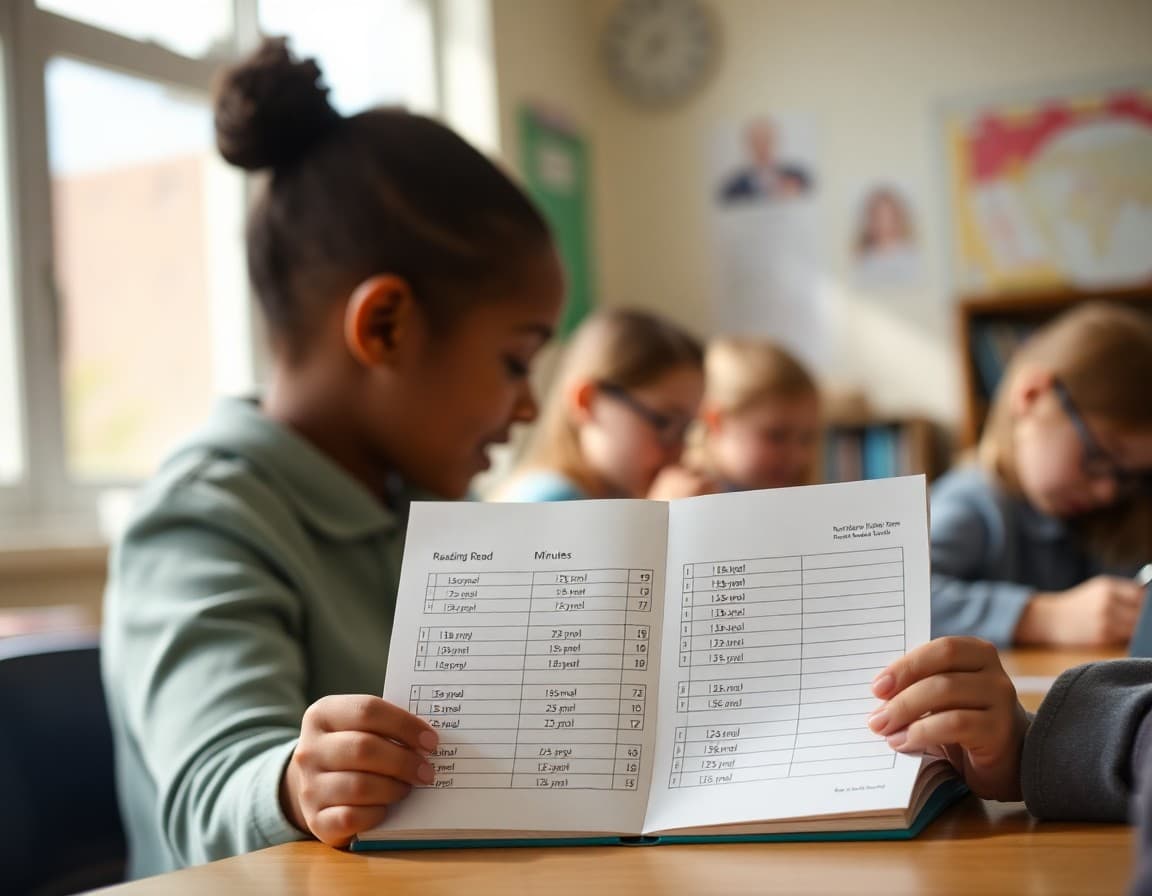
Reading logs work when families understand them and fall apart when they do not. A 5th grade reading log newsletter at the start of the year takes ten minutes to write and prevents a full semester of incomplete logs, forged signatures, and confused parents at conference time.
Why the Newsletter Is Not Optional
In 5th grade, reading homework stops feeling urgent to many families. Students are older, they seem capable, and parents often assume their job is done. Your newsletter recalibrates that assumption. It explains why independent reading still matters at this age, what your specific program asks of students, and what role families play. That framing matters before you send home the first log.
Explain What Counts as Reading
This prevents the most common arguments. Does audiobook listening count? Does re-reading a book count? Does reading a magazine or graphic novel count? Make your policy clear in the newsletter. Most teachers count any sustained reading of continuous text, including graphic novels. If you have a different rule, state it plainly so parents are not guessing.
Set the Goal in Specific Terms
Do not say "read regularly." Say "our goal is 25 minutes of reading every school night, or 125 minutes per week." Specific numbers give families something to aim at and make it easier for students to self-manage. If you use a weekly total instead of a daily requirement, explain why: flexibility helps families with irregular schedules.
Sample Log Format Excerpt
Here is the basic format you can describe or reproduce in your newsletter:
Date | Book Title | Pages Read | Minutes | One-Sentence Response
That response column is the piece that elevates the log from a tracking sheet to a reading tool. When students have to write one sentence about what they read, they pay closer attention. Tell families this is not a formal writing assignment and should take under a minute to complete.
How Submission Works
Be specific about how logs get turned in: paper copy on Fridays, photo submitted through a class platform, or a digital form. Students who know the submission process actually submit. Parents who know it can make sure their child does. Ambiguity here creates chaos by week three.
What Happens When a Night Gets Missed
Life happens. Tell families in the newsletter what to do when reading does not happen: mark the day honestly, make it up over the weekend, or note the reason in the comments field. A clear policy here saves you from handling the same situation 20 different ways. It also signals that you care about genuine reading, not perfect paperwork.
When to Send a Follow-Up
Send a brief check-in newsletter in late September or early October. Acknowledge families who have been consistent, note any patterns you are noticing across the class, and remind everyone of the goal. This mid-program communication keeps reading logs from disappearing into a pile on the kitchen counter.
Connecting Reading Logs to the Bigger Picture
End your newsletter with one sentence connecting reading at home to what students are doing in class. Something like: "Students who read 20 to 25 minutes each night at home arrive at school with broader vocabulary and stronger reading stamina, which makes a real difference in writing and in content area work." That one sentence reminds families the log is not busywork.
Get one newsletter idea every week.
Free. For teachers. No spam.
Frequently asked questions
What should a reading log newsletter for 5th grade include?
Explain the minutes-per-night goal, how the log gets submitted, what counts as reading, and what to do if a child misses a night. Include a short note about why independent reading at this age still matters, since many 5th grade parents assume their child no longer needs to read at home.
How do I get 5th graders to actually complete their reading logs honestly?
Make the log reflect real reading by including a brief response field: one sentence about what happened or what the student noticed. This is harder to fake than a simple minutes count. Tell parents in the newsletter what the response field is for and that you review it.
Should I require a parent signature on reading logs?
That depends on your class. For students who are independent readers, a parent signature can feel condescending and may create friction. For students who need accountability, it adds a layer of structure. Your newsletter can acknowledge both groups and let families know which expectation applies to their child.
What reading goal is realistic for 5th grade?
Most research supports 20 to 30 minutes of independent reading per night at this age. Some teachers set a weekly goal of 100 to 150 minutes rather than a nightly target, which gives families more flexibility. Be clear in your newsletter about which structure you use.
Can I use Daystage to send reading log reminders automatically?
Yes. With Daystage you can write the reading log newsletter once and schedule it to go out at the start of the year. You can also set a weekly or monthly reminder that keeps reading on families' radar without requiring you to write a new message each time.

Adi Ackerman
Author
Adi Ackerman is a former classroom teacher and curriculum writer with 8 years in K-8 schools. She writes about school communication, parent engagement, and what actually works in real classrooms.
More for Classroom Teachers
Fifth Grade Reading Level Newsletter: Reading Levels in Fifth Grade: What Families Need to Understand
Classroom Teachers · 7 min read
Reading Updates in Classroom Newsletters: What Parents Want to Know
Classroom Teachers · 5 min read
5th Grade Homework Policy Newsletter for Families
Classroom Teachers · 6 min read
Ready to send your first newsletter?
3 newsletters free. No credit card. First one ready in under 5 minutes.
Get started free