Close Reading Newsletter: What It Is and How We Teach It
Close reading is one of those instructional terms that sounds self-explanatory but actually describes something specific and learnable. When families understand what close reading is and why their child is spending 30 minutes on a two-paragraph passage, they support the work differently than if they just see a kid re-reading something that looks too short to take that long. A newsletter that explains the practice sets families up to reinforce it at home.
Close Reading Is Not Just Reading Carefully
Most parents assume close reading means reading slowly and carefully, which they already tell their children to do. It is actually more structured than that. Close reading is a repeated reading practice with a different purpose each time: first for comprehension, then for craft and structure, then for evidence-building. The repetition is intentional, and the purposes are different. That distinction is worth explaining in the newsletter.
Why Short, Hard Texts
The texts used in close reading are often short but complex: a dense paragraph from a primary source document, a poem with multiple layers of meaning, or a technical explanation from a science text. Families sometimes wonder why students are spending 30 minutes on something so brief. Explain: the brevity is the point. Close reading builds the capacity to stay with complexity. That stamina transfers to every reading challenge the student will face.
What Annotation Looks Like
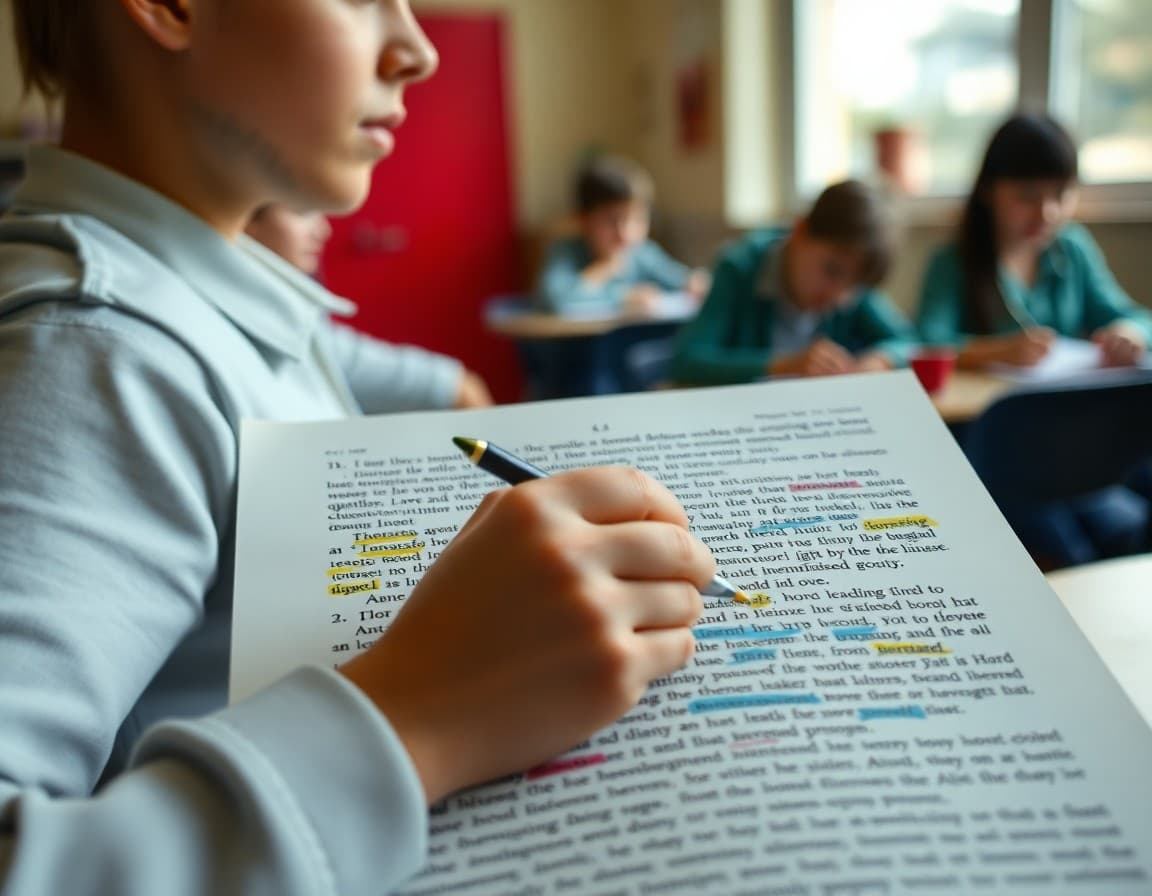
Walk families through what students are doing when they annotate: "Students underline words or phrases that seem important, circle unfamiliar vocabulary, write questions in the margins when something is confusing, and mark patterns they notice. After two reads, they have a text that looks like a map of their thinking." That description transforms annotation from apparent busywork into a visible thinking process.
The Three-Read Structure
Share the structure families can expect their child to use:
Read 1: What does this text say? (basic comprehension, get the main idea). Read 2: How does it say it? (look at specific word choices, structure, and what the author decided to include or leave out). Read 3: What does it mean and why does it matter? (build an argument or interpretation using evidence from the first two reads). Three reads. Three purposes. Each one builds on the previous.
Discussion After Close Reading
Close reading often ends with a whole-class or small-group discussion. That discussion is where students test their interpretations against others. Tell families what those conversations tend to look like: "After annotating independently, we gather to compare what we noticed. Students often discover they underlined different things, which leads to productive disagreement about what matters most in a text." That description shows families the practice is active and social, not just silent work.
Supporting Close Reading Without Being a Teacher
Give families two things they can do at home. First, when their child is reading anything challenging, encourage re-reading the hard parts instead of skipping them. Second, ask after reading: "What was one thing you noticed that you might have missed the first time through?" That question reinforces the close reading habit without requiring any special materials or knowledge.
What Close Reading Builds Over Time
End with the long view: "Students who develop close reading habits read differently across every subject. They notice when an author is being precise versus vague. They catch implied arguments. They slow down in the right places. These are the reading skills that matter in high school and beyond, and they are built by practicing them now, on texts that actually require the effort." That kind of honest statement about purpose is what gets families invested rather than just compliant.
Get one newsletter idea every week.
Free. For teachers. No spam.
Frequently asked questions
What is close reading and how do I explain it to parents?
Close reading is a practice where students read a short, complex text multiple times with specific purposes each time. The first read is for basic understanding. The second focuses on craft or structure. The third builds evidence for an argument or interpretation. Unlike general reading comprehension, close reading requires students to stay with a text longer and notice more.
What do students do when they close read?
Students annotate: they underline, circle, and write notes in the margins. They identify confusing sections and return to them. They look for patterns in language, structure, or argument. They ask questions about what the author chose and why. Close reading teaches students to read like writers and thinkers, not just for plot or information.
Why do teachers use short, complex texts for close reading rather than easier ones?
Difficulty is intentional. Close reading builds the skill of sitting with complexity without giving up. A text that students can understand on the first read does not require the close reading process. Texts that require multiple reads build reading stamina, vocabulary, and inference skills that transfer to every content area.
How can families support close reading at home without a teacher?
Encourage your child to re-read passages they did not understand rather than skipping them. After reading, ask: 'What did the author do in that section that you noticed? What words seemed important?' Those questions model the kind of attention close reading builds. Even five minutes of that kind of conversation reinforces the classroom practice.
Can I share close reading passages in a Daystage newsletter?
Yes. Daystage newsletters support embedded text and links. Some teachers share a short passage from a recent close reading lesson, along with two or three of the discussion questions the class explored. Families who see the actual texts their child is working with engage more meaningfully with the at-home practice.

Adi Ackerman
Author
Adi Ackerman is a former classroom teacher and curriculum writer with 8 years in K-8 schools. She writes about school communication, parent engagement, and what actually works in real classrooms.
More for Classroom Teachers
Ready to send your first newsletter?
3 newsletters free. No credit card. First one ready in under 5 minutes.
Get started free