

November Growth Mindset Newsletter for School Families
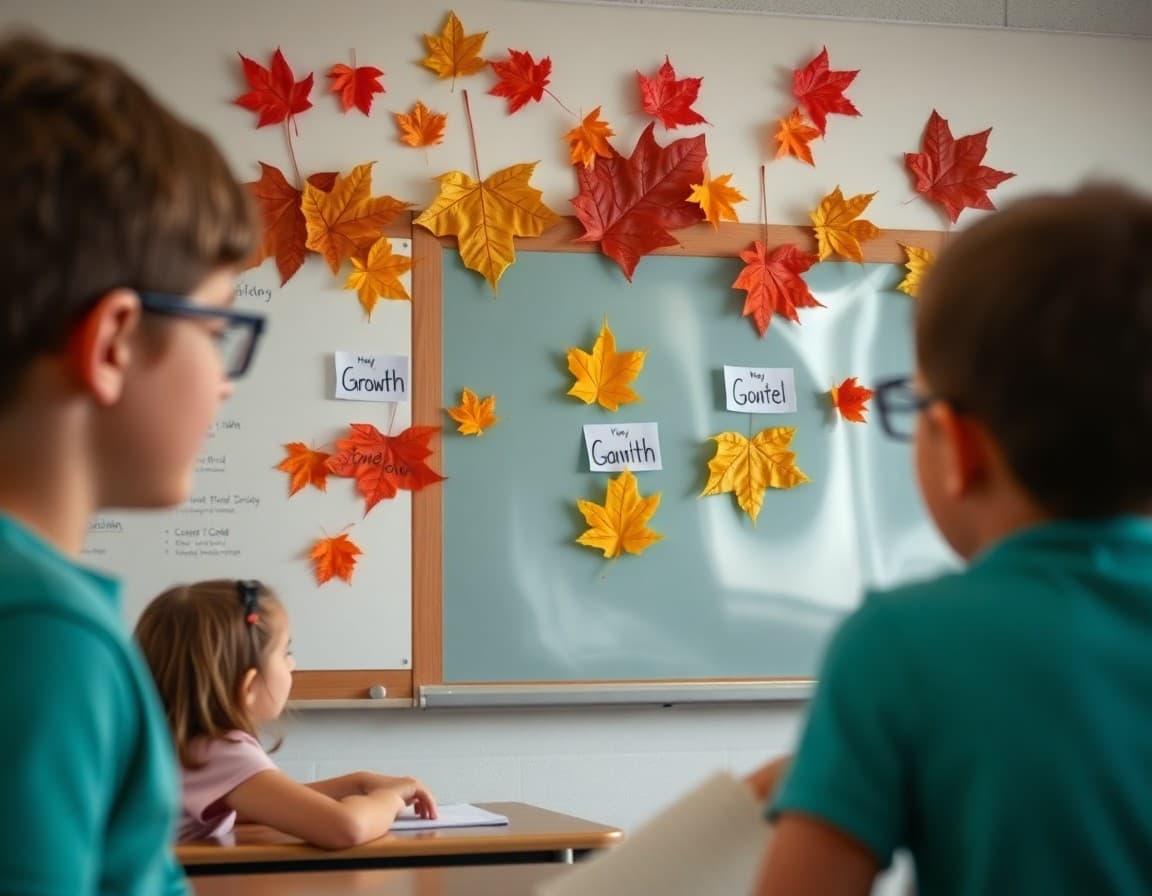
November sits at a natural inflection point in the school year. First-quarter report cards have landed. Families have reacted. Now what? A November growth mindset newsletter that ties the season's themes of gratitude to the idea of learning growth can shift families from report card aftermath mode into forward-looking second-quarter intention. That shift is worth engineering.
Gratitude and Learning Growth Are Not the Same Thing
Explain the specific kind of gratitude that connects to growth mindset. "We are not just asking students to be thankful in a general way. We are asking them to notice specific changes in their own abilities since September: things they can do now that they could not do before." That learning-specific gratitude reinforces the core belief that abilities develop. It also builds metacognitive awareness, which is a separate but equally valuable skill.
What Students Can Actually Be Grateful for This Month
Give families specific examples to use in conversations. "Can you tell me one thing you understand in math now that you did not understand in August? Can you show me a piece of writing you are proud of? What was hardest about learning that?" These questions direct gratitude toward growth specifically rather than achievements generally.
Processing First-Quarter Report Cards With a Growth Frame
Many families are still in the emotional aftermath of report cards. Your newsletter can offer a specific reframe: "The most useful conversation you can have about Q1 grades right now is not 'what went wrong' but 'what do we want to do differently in Q2.' Set one specific goal with your child for the next quarter. Write it down. Check in on it monthly." That protocol converts report card disappointment into second-quarter intention.
A Family Reflection Activity for Thanksgiving
Offer a simple activity families can use: "At some point over the break, ask each person at the table to name one thing they learned in the past three months. It does not have to be academic. It can be anything. Then ask: what helped you learn it? The conversation that follows is a growth mindset conversation." This models the framework for children by making it a family practice, not just a school one.
What the Class Has Accomplished Since August
Name specific class-wide growth you have observed. "Our students write significantly faster and with more confidence than they did in August. Our math discussions are more precise. More students ask 'why does that work?' rather than just accepting answers." These observations belong in a November newsletter because they document the return on three months of effort, which families benefit from seeing.
A Note on Fixed Mindset Moments in November
Be honest that fixed mindset moments happen even in classrooms that teach growth mindset explicitly. "When students get report cards back, some revert to fixed mindset talk: 'I am just not a math person' or 'English has always been hard for me.' These moments are not evidence that growth mindset is not working. They are moments to practice redirecting the belief. If you hear this at home, try: 'You are not there yet. What specifically needs more work?'"
Looking Toward the Second Half
Close with a forward-looking note. "The second half of the school year, which starts in January, is when students who have been building growth mindset habits start to see the results in their work. The students who maintained effort through October and November show the biggest gains in the spring. The work you are doing at home right now will be visible by March."
Get one newsletter idea every week.
Free. For teachers. No spam.
Frequently asked questions
What growth mindset topics fit naturally in November?
Gratitude connects directly to growth mindset: research shows that students who regularly reflect on what they have learned (not just what they have achieved) develop stronger learning dispositions. November is also the natural time to process first-quarter report cards and set second-quarter intentions, both growth mindset activities.
How does gratitude relate to growth mindset?
Gratitude in a growth mindset context is not just general thankfulness. It is specifically about noticing growth: 'I am grateful that I can now do something I could not do in September.' That kind of learning-specific gratitude reinforces the belief that abilities change with effort, which is the core growth mindset belief.
How should families respond to first-quarter report cards from a growth mindset perspective?
Ask the child to identify one thing they are proud of from the first quarter and one thing they want to improve in the second quarter. This frames the report card as a starting point for the next phase rather than a verdict on the first. Avoid long conversations focused on explaining low grades. Focus on the plan for Q2.
Is there a good growth mindset reflection activity families can do over Thanksgiving break?
A simple one: ask each family member at dinner to name one thing they learned in the past month, not just achieved. This can include adults, which models that growth is a lifelong practice. The act of naming learning explicitly reinforces the habit of attending to growth rather than only outcomes.
Can I share a growth mindset reflection in my Daystage newsletter using a structured format?
Yes. Daystage newsletters support multiple content blocks, so you can include a structured reflection section alongside your regular newsletter content. Some teachers include a brief student quote about growth (anonymized or with permission) each month, which families consistently find meaningful.

Adi Ackerman
Author
Adi Ackerman is a former classroom teacher and curriculum writer with 8 years in K-8 schools. She writes about school communication, parent engagement, and what actually works in real classrooms.
More for Classroom Teachers
Ready to send your first newsletter?
3 newsletters free. No credit card. First one ready in under 5 minutes.
Get started free