
Social-Emotional Learning Updates in Your Classroom Newsletter
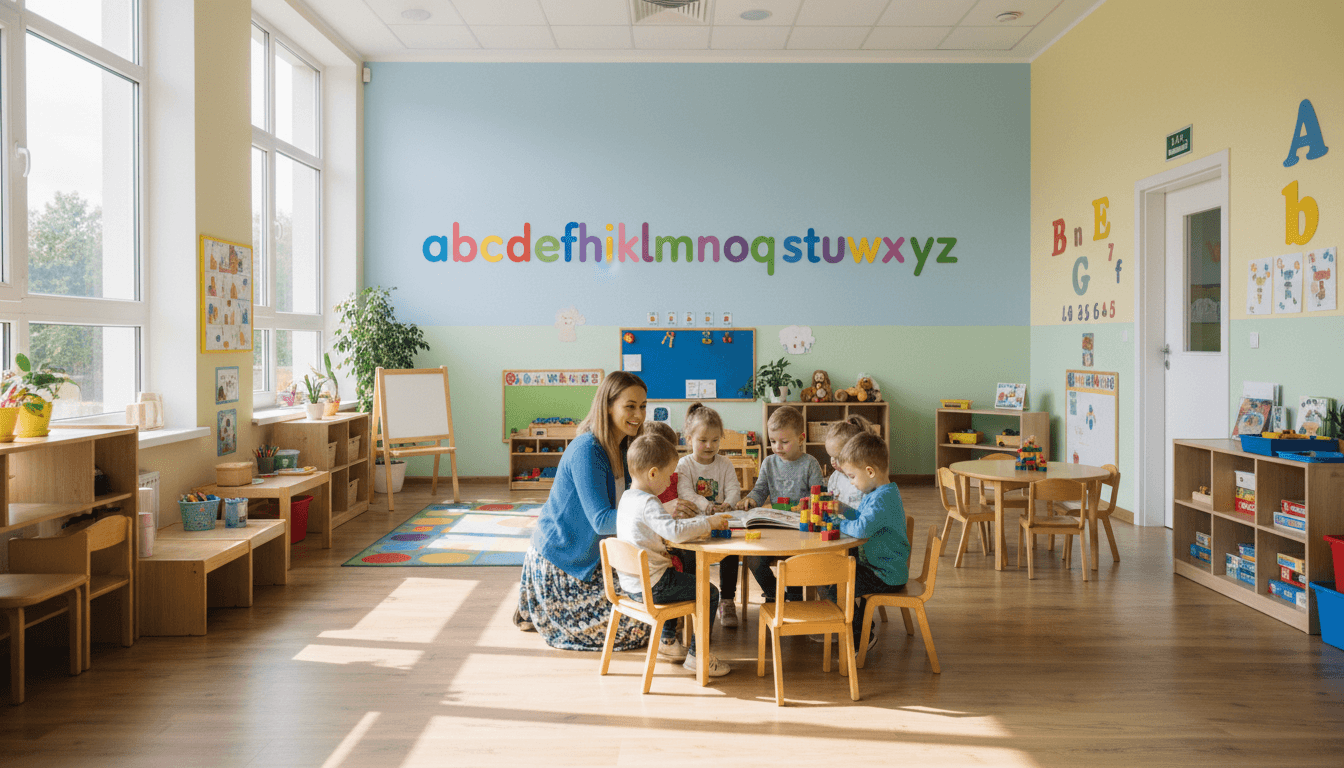
Social-emotional learning is happening in your classroom whether or not you call it that. The way you handle conflict between students, how you teach students to recognize their emotions, the language you use when someone is struggling: all of it is SEL. When parents understand what you are working on, they can use the same language and approaches at home. That consistency is what makes the learning stick.
What to include in an SEL update
Name the skill or concept the class is currently focusing on. Self-regulation, perspective-taking, conflict resolution, growth mindset, emotional vocabulary, identifying safe adults, whatever your current focus is. Then describe briefly how you are practicing it in the classroom. A discussion activity, a read-aloud that centers a character facing a relevant challenge, a class meeting format where students practice a specific skill.
The more concrete the description, the more useful it is for parents who want to reinforce it at home.
Translating SEL language into plain terms
Most SEL frameworks come with their own vocabulary. Some parents are familiar with it and some are not. The safest approach is to use plain language and then note the term if it is one their student might bring home. "We are practicing noticing the feeling in our body before we react, which we call a 'pause' in our classroom" gives parents both the concept and the language their student is using.
Home connection suggestions
Every SEL newsletter should include one specific suggestion for how families can extend the learning at home. "This week, if your student gets frustrated with something, try asking 'what are you feeling in your body right now?' before trying to solve the problem." A suggestion this specific is immediately usable. "Support your student's emotional development" is not.
Addressing parent skepticism directly
Some parents are skeptical that SEL belongs in academic class time. You do not need to defend the entire framework in your newsletter, but a brief factual sentence connecting SEL skills to academic performance is worth including once: "Students who can manage frustration and work through disagreements with peers miss fewer learning minutes and complete more independent work successfully." That is not a political statement. It is an observable fact, and most parents respond to it.
What not to share
Do not include details about specific students' emotional struggles or behavioral incidents in your newsletter, even anonymized. A class newsletter is not the right channel for that kind of information. If the class has been working through a particularly challenging week, you can acknowledge it in general terms, but individual details stay private. That boundary is both appropriate and legally important.
Get one newsletter idea every week.
Free. For teachers. No spam.
Frequently asked questions
Should I include SEL updates in my classroom newsletter?
Yes. Social-emotional learning is part of your class, and parents benefit from knowing what skills you are working on. They can reinforce the same language and strategies at home when they know what students are practicing at school. SEL without a home connection is significantly less effective.
What SEL information should I share with parents?
The skill or concept the class is currently focusing on, a brief description of how you are practicing it in the classroom, and a specific way families can connect the language or skill to home life. You do not need to share details about individual student behavior or emotional challenges.
How do I explain SEL skills to parents who are not familiar with the terminology?
Use plain language. 'We are working on recognizing when we are frustrated before we act on it' is clearer than 'we are building emotional regulation competencies.' The skills themselves are universally recognizable. The terminology is the barrier, so skip it.
What if some parents are skeptical about SEL being part of school time?
Be matter-of-fact. Explain briefly what you are working on and how it supports academic learning. 'Students who can manage frustration and work through disagreements with peers spend more time on academic tasks' is a factual connection that most skeptics can accept even if they are not enthusiastic about the broader SEL framework.
How does Daystage help teachers communicate SEL updates to parents regularly?
Daystage makes it straightforward to include a recurring SEL section in your newsletter template. You update the focus each send and the structure stays consistent, so parents get a regular window into the social-emotional work happening in your classroom.

Adi Ackerman
Author
Adi Ackerman is a former classroom teacher and curriculum writer with 8 years in K-8 schools. She writes about school communication, parent engagement, and what actually works in real classrooms.
More for Classroom Teachers
Ready to send your first newsletter?
3 newsletters free. No credit card. First one ready in under 5 minutes.
Get started free