

5th Grade Progress Report Newsletter: Mid-Quarter Update for Families
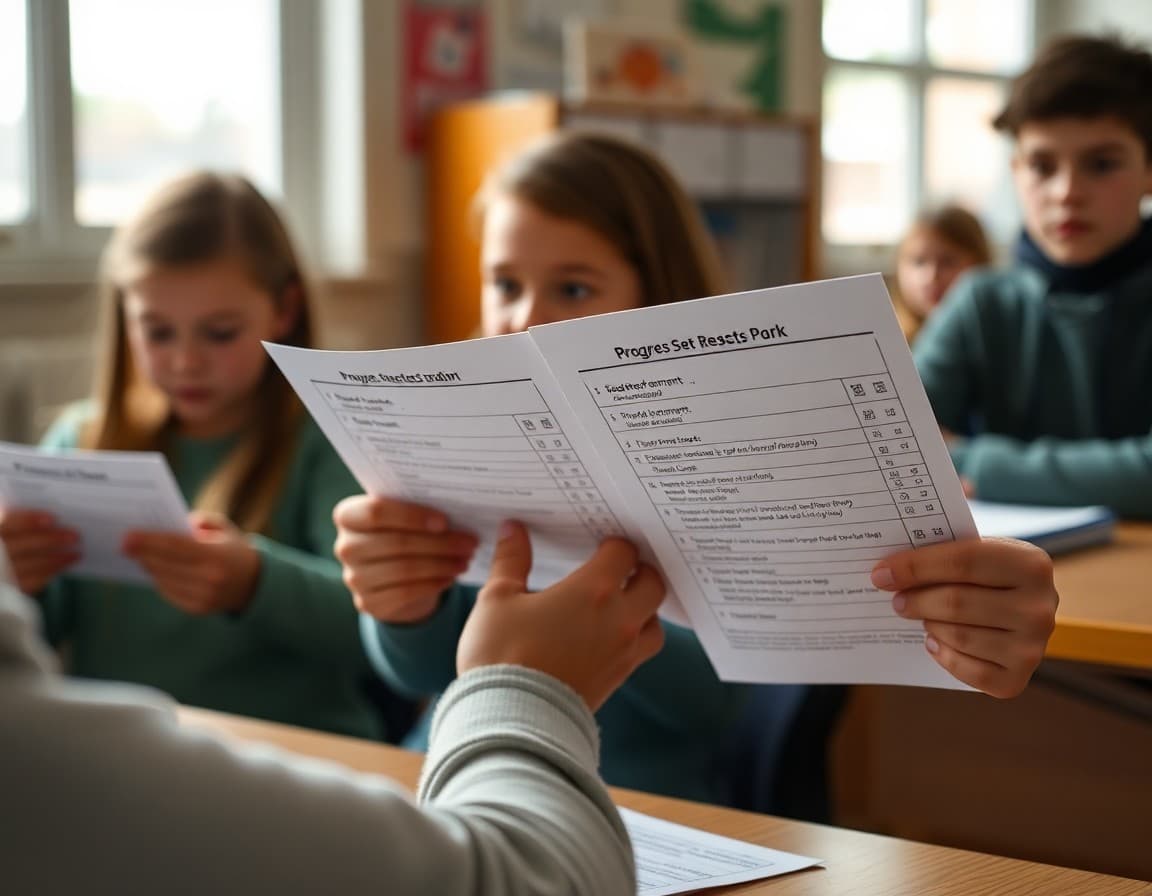
Progress reports are a mid-course correction tool. They tell families where students stand before the quarter ends, when there is still time to do something about it. But a progress report without context is just a grade on paper. The newsletter you send alongside it is what transforms a number into actionable information for families.
Set the Context Before the Grades Arrive
Send your progress report newsletter a day or two before reports go home. Use it to remind families of the grading system, what the class has been working on, and what a good result looks like at this point in the quarter. When families already understand the context, the grade lands differently than it does on a blank report card.
Explain Your Grading Scale in Plain Language
If you use a standards-based scale, clarify what each level means. A common confusion is the 1-4 scale where families interpret a 3 as below-average because they think of it as a 75%. Make this explicit in the newsletter: "A 3 means your child is meeting grade-level expectations. That is the target. A 4 means exceeding those expectations consistently." One paragraph prevents dozens of confused emails.
Connect Grades to Specific Assignments
Tell families what the grades are based on at this point in the quarter. "Current grades reflect the expository essay unit, our first two math units on fractions and decimals, and weekly reading responses." When parents can connect a grade to actual work their child has brought home, they can have a real conversation about it. Abstract grades without context create anxiety rather than action.
What to Do If Grades Are Lower Than Expected
Include a clear call to action for families seeing concerning grades. A sample paragraph:
"If your child's progress report shows grades below a 3 in any area, please email me this week to set up a brief call. We are five weeks from the end of the quarter, and there is enough time to address gaps if we act now. I will be reaching out individually to families whose child needs additional support, but please do not wait for my email if you have questions."
That paragraph is direct without being alarmist.
Celebrate What Is Going Well
Progress reports tend to generate worry. Balance that by noting what the class is doing well. "Our writing scores have improved significantly since the start of the year. Most students are now consistently including evidence and explanation in their essays." Positive class-wide observations set a constructive tone and remind parents that progress is happening.
Addressing Effort vs. Achievement
In 5th grade, some families start to question why a student who "tries hard" is not getting high grades. Your newsletter can address this directly: "Grades reflect demonstrated mastery of skills, not effort. Effort shows up in habits, consistency, and willingness to revise. If you want to understand how your child's effort is translating into skills, that is a great topic for a conference." That framing is honest and invites the right conversations.
What Comes Next After Progress Reports
Close the newsletter with a preview: when the quarter ends, when report cards go home, and when conferences are scheduled. Families who can see the timeline feel less reactive and more prepared. A sentence like "report cards go home on [date] and I will be available for conferences the following week" sets clear expectations and reduces the number of anxious messages you receive in the meantime.
Get one newsletter idea every week.
Free. For teachers. No spam.
Frequently asked questions
What should a 5th grade progress report newsletter say?
Explain when progress reports go home, what grading scale or system you use, what the grades represent in terms of actual work, and how families should respond if they have questions. Include a brief note about what the class has been working on so grades make sense in context.
How do I explain grade symbols or numbers to families who are confused?
Include a two-line key in the newsletter. If you use letter grades, explain what each one means in practical terms. If you use a 1-4 scale, clarify that a 3 means meeting grade-level expectations, not average. Many parents assume a 3 out of 4 is a poor grade. Clearing that up in writing prevents unnecessary worry.
What if a student is failing at the mid-quarter mark?
Your newsletter can address this scenario without singling anyone out: 'If your child is receiving grades below expectations, please reach out this week. We have time before the end of the quarter to address gaps.' This prompts the right families to act while keeping the tone constructive rather than alarming.
Should I include narrative comments in a progress report newsletter?
Class-wide newsletters work better with general context than individual narratives. Save specific comments for individual reports or conferences. The newsletter purpose is to explain the system and prompt conversations, not to provide individual assessments that should be delivered privately.
Can I use Daystage to send progress report newsletters with scheduling?
Yes. With Daystage you can build a progress report newsletter template and schedule it to go out on the same day every quarter automatically. No remembering to send it, no last-minute drafting when you are already busy with grading.

Adi Ackerman
Author
Adi Ackerman is a former classroom teacher and curriculum writer with 8 years in K-8 schools. She writes about school communication, parent engagement, and what actually works in real classrooms.
More for Classroom Teachers
Ready to send your first newsletter?
3 newsletters free. No credit card. First one ready in under 5 minutes.
Get started free