

How to Write a Data and Graphing Unit Newsletter to Parents
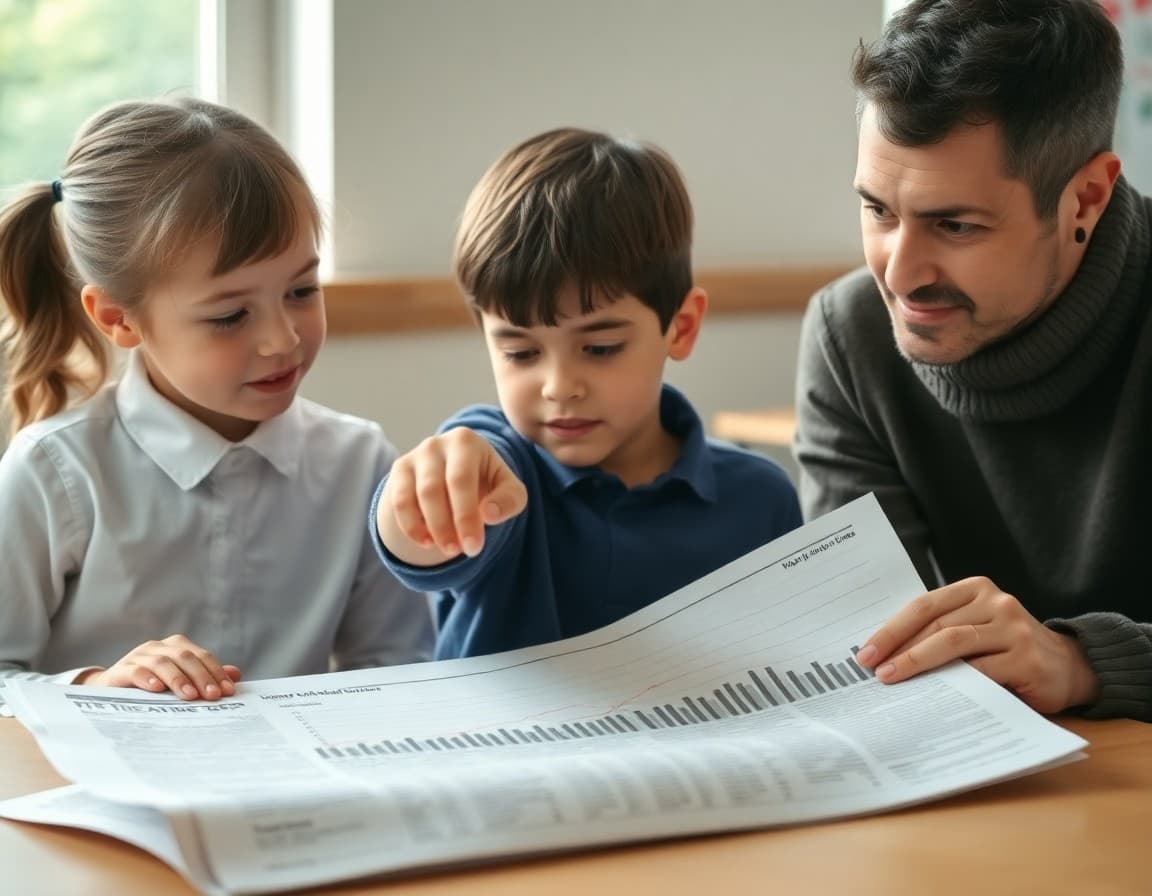
Data and graphing is one of those units that feels abstract in a textbook but is everywhere in real life. Sports stats, weather forecasts, news infographics, nutrition labels: your students are surrounded by data. A newsletter that makes that connection explicit gives families a natural entry point for reinforcing this unit without buying anything or setting up a formal practice session.
What the Unit Actually Covers
Name the graph types, the data collection process, and the interpretation skills your unit includes. At elementary grades, this usually means bar graphs, picture graphs, and line plots. At upper elementary and middle school, add line graphs, histograms, and scatter plots. Students do not just make graphs; they read them, interpret them, and draw conclusions. Tell families both parts are in the unit.
Vocabulary That Families Need
A short vocabulary list makes a real difference when families sit down to help with homework. Data: information collected from a survey or observation. Frequency: how many times something occurs. Scale: the numbers used on an axis to measure values. Interpret: to explain what a graph shows. If your unit covers mean, median, or mode, add those with one-sentence definitions. The goal is not to teach families math; it is to give them enough language to have a useful conversation at home.
The Difference Between Making and Reading a Graph
Students often learn to create graphs but do not develop the skill to interpret them critically. Your newsletter can explain this distinction: "We do both. Your child will make graphs, but more importantly they will practice reading graphs made by others and asking: what does this graph tell us? What questions does it raise? That interpretation skill is what matters in real life."
Home Activities Using Real Data
Ask families to find a graph in their environment this week: a sports standings table, a weather forecast chart, a nutrition panel. Have their child describe what it shows and what one conclusion they can draw. That is the core skill. For younger students, try a family survey: ask three people what their favorite fruit is, tally the answers, and make a simple bar graph together. The activity takes 15 minutes and uses exactly the concepts from class.
Connecting the Unit to Real-World Literacy
Data literacy is a life skill. Every news article that uses a chart, every business decision that involves a spreadsheet, every medical report with a graph requires the ability to read and interpret data. Tell families this. Students who can read a graph critically are better prepared for every academic subject and for informed adult decision-making. That framing makes the unit feel consequential rather than abstract.
A Sample Newsletter Section
Here is language you can adapt: "This week we start our data unit. Students will survey classmates, organize their data, and create bar graphs and line plots to display it. Then they will practice reading graphs they did not make and asking what conclusions are supported by the data. At home, the next time you read a news article or look at a weather app, point to any graph or chart and ask your child: what does this show? What is the most important thing you notice?"
Addressing Scale and Misinterpretation
One of the key lessons in any data unit is that graphs can mislead. A bar graph with a scale that starts at 50 instead of 0 makes differences look much larger than they are. Teaching students to check the scale before drawing a conclusion is a critical thinking skill. Mention this in your newsletter: "We are also talking about how graphs can be misleading depending on how they are set up. Ask your child to explain why the scale on a graph matters."
Sending the Newsletter Before the Unit Starts
The data and graphing unit newsletter works best when it arrives before the unit begins. Families who know what is coming can start noticing real graphs in the environment before homework lands. Daystage lets you schedule and send your newsletter in minutes. Write it over your lunch break, add a sample graph if you have one, and send. Families have the context they need before the unit starts.
Get one newsletter idea every week.
Free. For teachers. No spam.
Frequently asked questions
What should a data and graphing unit newsletter include?
Cover which graph types students will create and read, what data literacy means at your grade level, vocabulary families should know, and two home activities that involve reading or collecting data. Also name what the unit culminates in: a project, a test, or a presentation.
What graph types are typically covered at different grade levels?
K-2 covers picture graphs and bar graphs. Grades 3-5 add line plots and line graphs. Middle school adds histograms, scatter plots, circle graphs, and box plots. Name the types your unit covers so families know what homework will look like.
What vocabulary should I include in the data and graphing newsletter?
Data, survey, tally, frequency, bar graph, line graph, line plot, scale, axis (horizontal and vertical), and interpret are the most common terms. Define each in one sentence. Families who know the language can discuss the graphs their child brings home.
How can families reinforce data and graphing at home?
Sports statistics, weather charts, food nutrition labels, and news infographics are all real data. Ask families to find a graph in a newspaper, a website, or a cereal box and ask their child to describe what it shows. That one activity mirrors exactly what you do in class.
What tool helps teachers send graphing unit newsletters to families?
Daystage makes it easy to include a sample graph image in your newsletter alongside formatted text and home activities. Teachers send it at the start of each unit so families are prepared and can support the right skills at home.

Adi Ackerman
Author
Adi Ackerman is a former classroom teacher and curriculum writer with 8 years in K-8 schools. She writes about school communication, parent engagement, and what actually works in real classrooms.
More for Classroom Teachers
Newsletter for Your Measurement Unit: Helping Parents Support Learning at Home
Classroom Teachers · 6 min read
Newsletter for Your Place Value Unit: Helping Families Understand the Concept
Classroom Teachers · 6 min read
How to Write a Word Problems Unit Newsletter to Parents
Classroom Teachers · 6 min read
Ready to send your first newsletter?
3 newsletters free. No credit card. First one ready in under 5 minutes.
Get started free