
Newsletter for Your Place Value Unit: Helping Families Understand the Concept
Place value is the foundation under almost everything else in math. Students who understand place value understand why addition and subtraction algorithms work, why multiplication involves shifting digits, and why decimals behave the way they do. A place value unit newsletter helps families understand this foundation and support it at home in ways that actually deepen understanding.
What Place Value Means and Why It Matters
In the base-ten number system, the value of a digit depends entirely on its position. The 3 in 300 represents three hundreds. The 3 in 30 represents three tens. The 3 in 3 represents three ones. This seems simple, but it is the concept underneath every number operation students will ever do. Your newsletter can make this explicit: "When your child learns what each digit in a number is worth, they are building the mental structure that makes all future math easier."
How You Teach Place Value in Class
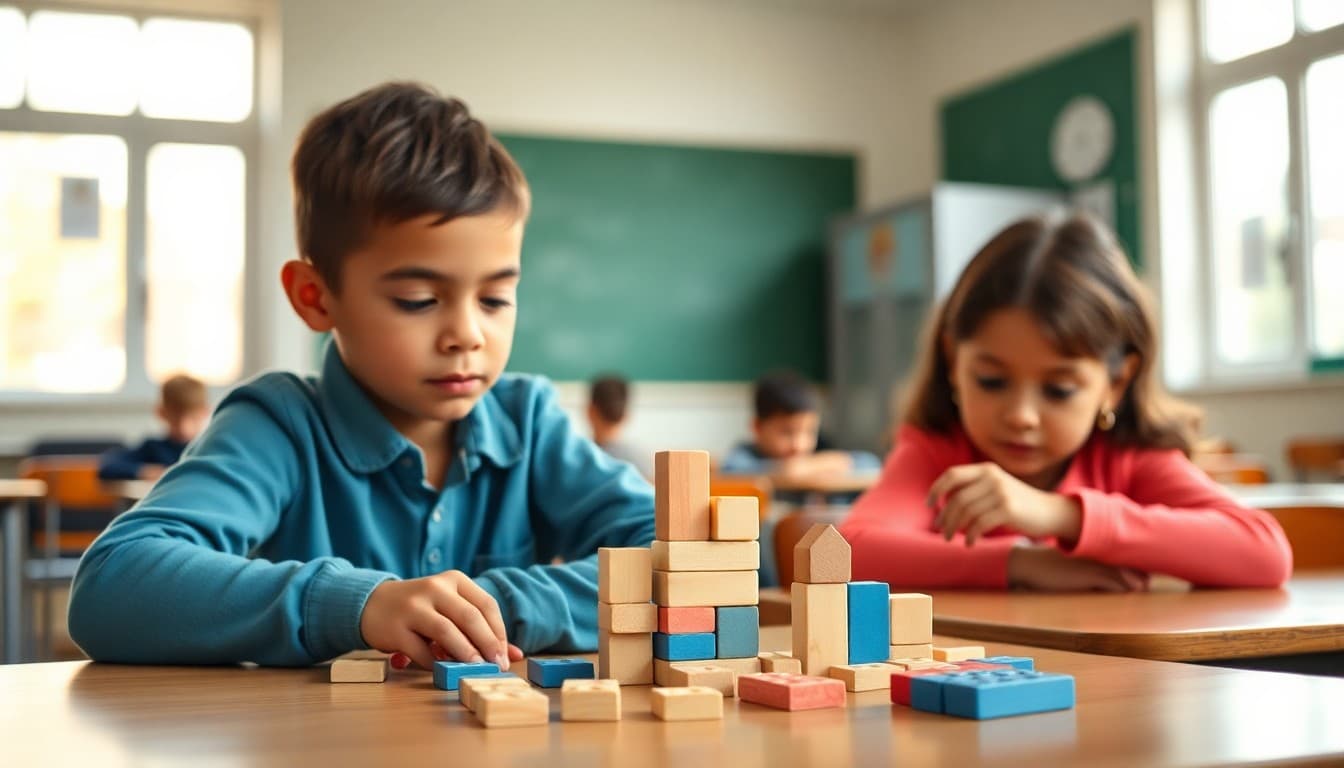
Tell families what tools you use. Base-ten blocks (ones cubes, tens rods, hundreds flats) are common in elementary grades. Place value charts help students organize digits visually. Expanded form (345 = 300 + 40 + 5) translates the abstract number into its components. If you use any of these tools, name them so families can describe them to their child or look for them in homework.
Vocabulary for the Unit
The vocabulary here is straightforward but worth naming. Digit: a single symbol (0-9) used to write a number. Place: the position of a digit in a number. Value: what a digit is worth in its place. Expanded form: writing a number as the sum of the value of each digit (482 = 400 + 80 + 2). Standard form: the regular way of writing a number (482). Word form: four hundred eighty-two. Students work with all three forms and families should know the terms.
The Ten-to-One Relationship
The core rule of base-ten is that each place is worth ten times more than the place to its right. Ten ones make a ten. Ten tens make a hundred. Ten hundreds make a thousand. This pattern extends into decimals too: ten hundredths make a tenth. Explaining this rule in your newsletter gives families a tool they can use to answer their child's questions: "Ten of any unit makes one of the next bigger unit. That's always true in our number system."
Home Activities That Build Place Value
Any number from everyday life can be a place value activity. A grocery receipt total, a zip code, a distance on a road sign: name the place of each digit and its value. For younger students, use physical objects: group 10 pennies into a stack and call it a "ten." Count 10 stacks and call them a "hundred." That physical act of grouping is exactly what base-ten blocks do in class. The concrete experience makes the abstract concept stick.
Comparing and Ordering Numbers
Place value is also the basis of comparing numbers. To compare 4,512 and 4,251, students look at the digits from left to right: both have 4 in the thousands place, but 5 in the hundreds place is more than 2, so 4,512 is larger. Your newsletter can give families a strategy: "When comparing numbers, start with the leftmost digit. The number with the bigger digit in the highest place is bigger. Work right only if the leftmost digits are equal."
Sample Newsletter Excerpt
Try this: "This month we are building a deep understanding of place value. When we write 1,247, the 1 is worth one thousand, the 2 is worth two hundreds, the 4 is worth four tens, and the 7 is worth seven ones. At home, pick any four-digit number you see (a price, an address) and ask your child to tell you the value of each digit. If they can do that easily, ask them to write the number in expanded form: 1,247 = 1,000 + 200 + 40 + 7. That's exactly what we practice every day."
Sending the Newsletter Before the Unit
Place value is a unit that benefits from early family preparation. Daystage lets you send your newsletter before the unit starts so families have time to try an activity before homework arrives. Write your update, add a photo of base-ten blocks or a place value chart from your classroom, and send. Families who start noticing numbers in the environment before the unit begins are already thinking the way the unit asks them to.
Get one newsletter idea every week.
Free. For teachers. No spam.
Frequently asked questions
What should a place value unit newsletter explain to families?
Explain what place value means (the value of a digit depends on its position in a number), what tools you use in class (base-ten blocks, place value charts), and how place value connects to operations students already know.
How do I explain place value to parents in a way that actually helps them?
Use a concrete analogy: in the number 345, the 3 represents 3 hundreds, not just the number 3. Each position is worth ten times more than the position to its right. That ten-to-one relationship is the foundation of the entire system, and naming it explicitly helps families guide their child.
What place value vocabulary should I include in the newsletter?
Digit, place, value, ones, tens, hundreds, thousands, and expanded form are the core terms. For upper grades, add ten-thousands, hundred-thousands, millions, and their decimal counterparts. A brief definition for each makes homework conversations much easier.
What home activities reinforce place value?
Ask families to take any number from everyday life (a price, a zip code, a sports score) and ask their child to identify each digit's place and value. Building numbers with objects (10 coins in a stack equals one group of ten) is powerful for younger students.
What tool helps teachers send place value unit newsletters?
Daystage is a classroom newsletter platform that supports formatted sections, vocabulary lists, and images. Teachers use it to send unit-specific newsletters to families throughout the year, keeping home practice aligned with classroom instruction.

Adi Ackerman
Author
Adi Ackerman is a former classroom teacher and curriculum writer with 8 years in K-8 schools. She writes about school communication, parent engagement, and what actually works in real classrooms.
More for Classroom Teachers
Ready to send your first newsletter?
3 newsletters free. No credit card. First one ready in under 5 minutes.
Get started free