
4th Grade Special Education Inclusion Newsletter
A fourth grade inclusion newsletter serves a different purpose than a kindergarten one. By fourth grade, students are more aware of their peers' differences and more likely to ask direct questions about why some students have extra support, different materials, or different arrangements. A well-written inclusion newsletter gives all families language and a framework for those conversations at home.
This guide covers how to write a fourth grade inclusion newsletter that is transparent about the classroom approach, maintains every student's privacy, and builds a community norm around difference as something expected and respected.
What Inclusion Looks Like in a 4th Grade Classroom
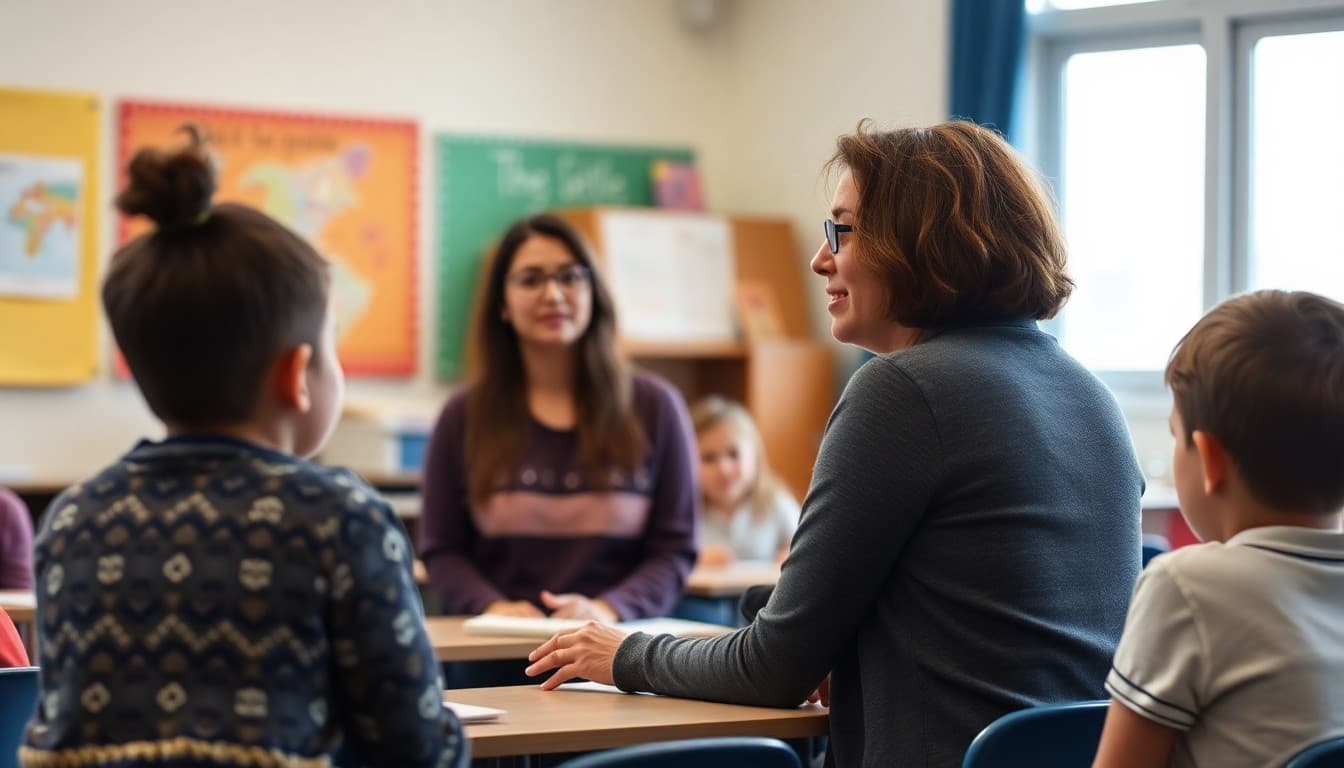
Describe the specific inclusive practices used in your classroom in concrete terms. Fourth grade families want to understand what co-teaching looks like, why some students work in different groups, and what the various adults in the room are doing. Clarity about these structures, without labeling which students they serve, helps families understand the classroom environment their child is describing at home.
"Our classroom uses flexible grouping throughout the day. During math and reading, students work in different groups based on what they are practicing that week. Groups change regularly. This allows every student to work at the right level for each skill."
The Co-Teaching or Push-In Section
If your classroom has a co-teacher or receives push-in support from a special education teacher, describe this proactively. Families who understand the co-teaching model appreciate it. Families who are confused by the presence of two adults in the room and do not know why sometimes draw incorrect conclusions. A brief explanation prevents that confusion.
Sample Newsletter Section Excerpt
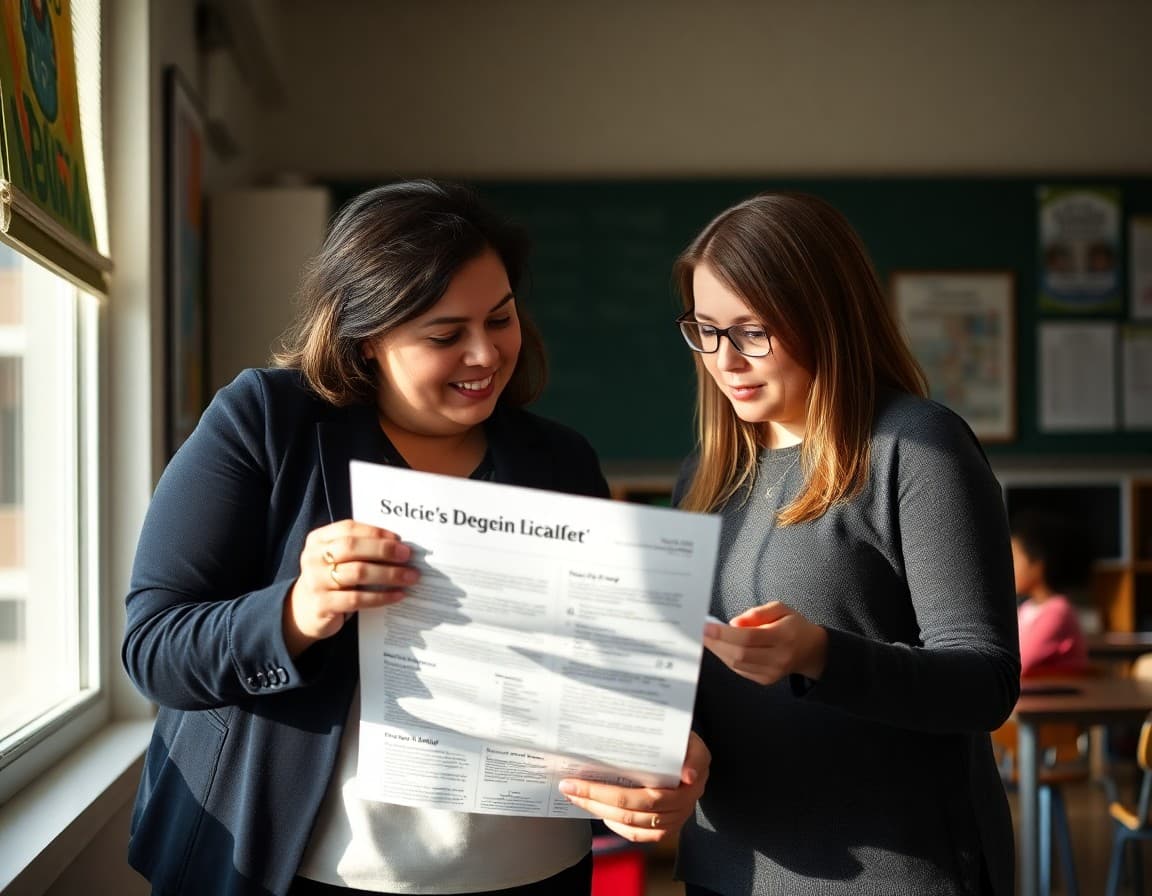
Here is how a 4th grade inclusion newsletter section might read:
How our classroom supports every learner:
Our fourth grade classroom is designed to work for a wide range of learners. Students bring different strengths, different challenges, and different ways of processing information. Our job is to make sure every student has access to the learning that meets them where they are.
Structures we use:
- Co-teaching with Mrs. Rivera (special education specialist) during morning instruction
- Flexible small groups that change based on skill focus
- Multiple ways to show understanding: written, verbal, visual
- Extended time options available when needed
- Preferential seating and quiet workspace options
What this means for your child: Every student in our class benefits from these structures, whether or not they have a formal support plan. Smaller groups mean more feedback. Multiple response options mean more students participate. Quiet workspace options reduce distraction for everyone.
Questions: If you have questions about how your specific child is being supported, please reach out to schedule a private conversation.
What Fourth Graders Ask About Differences
A brief section preparing families for the questions their fourth graders may ask is appreciated at this age. "Your child may ask why some students get more time on tests or work with a different teacher. We encourage children to come to me directly with these questions, and you can reinforce at home that everyone learns in their own way and gets the help they need."
The Privacy Boundary
A brief, clear statement about privacy reinforces trust with families of students receiving services: "Information about individual students' support plans is kept private. I will always communicate directly with you about your own child's services, not through class-wide communications."
Inviting Partnership
Close the newsletter by inviting families to reach out with questions or observations about their own child. "You know your child best. If you notice something at home that might be helpful for me to know, please share it. The more we communicate, the better I can support your child." This closing keeps the relationship open and collaborative.
Get one newsletter idea every week.
Free. For teachers. No spam.
Frequently asked questions
What can a 4th grade inclusion newsletter share about special education services?
A class-wide newsletter can describe the inclusive practices used in the classroom, the types of support structures available, the philosophy of inclusion, and how all students benefit from diverse learning environments. It cannot include any information about specific students' IEPs, evaluations, disability labels, support plans, or accommodations. Individual student information is shared only directly with that student's family.
How do you explain co-teaching or push-in support to 4th grade families?
Describe it in functional terms without jargon. 'Our classroom benefits from a co-teaching model. Mrs. Rivera and I teach together during reading and math instruction, which allows us to work in smaller groups and provide more individualized support for every student' explains the structure without labeling who receives which type of support. All families can appreciate having two teachers in the room.
How do you talk about disability and learning differences with 4th grade families?
Use plain, direct language that treats learning differences as part of human diversity. At fourth grade, students are more aware of differences and may ask more direct questions than younger children. The newsletter can acknowledge that students learn in different ways and that the classroom is designed to support a wide range of learners, without going into specifics about any individual child.
Should the 4th grade inclusion newsletter address bullying or teasing related to disabilities?
If this is an active concern in the classroom, addressing it briefly in the newsletter is appropriate. Frame it as a community expectation: 'Our classroom is a place where every student is treated with respect, including students who learn differently. We address teasing or unkind behavior directly and quickly when it occurs.' This signals awareness without implying that a specific student is being targeted.
How does Daystage support inclusive classroom communication?
Daystage lets teachers send class-wide inclusion newsletters to all families and separately send more targeted communication to specific families when relevant. Building the newsletter in Daystage produces a clean, readable format that works well on mobile, where most parents read school communications.

Adi Ackerman
Author
Adi Ackerman is a former classroom teacher and curriculum writer with 8 years in K-8 schools. She writes about school communication, parent engagement, and what actually works in real classrooms.
More for Classroom Teachers
Ready to send your first newsletter?
3 newsletters free. No credit card. First one ready in under 5 minutes.
Get started free