
Fourth Grade Social Skills Newsletter: Navigating More Complex Peer Dynamics
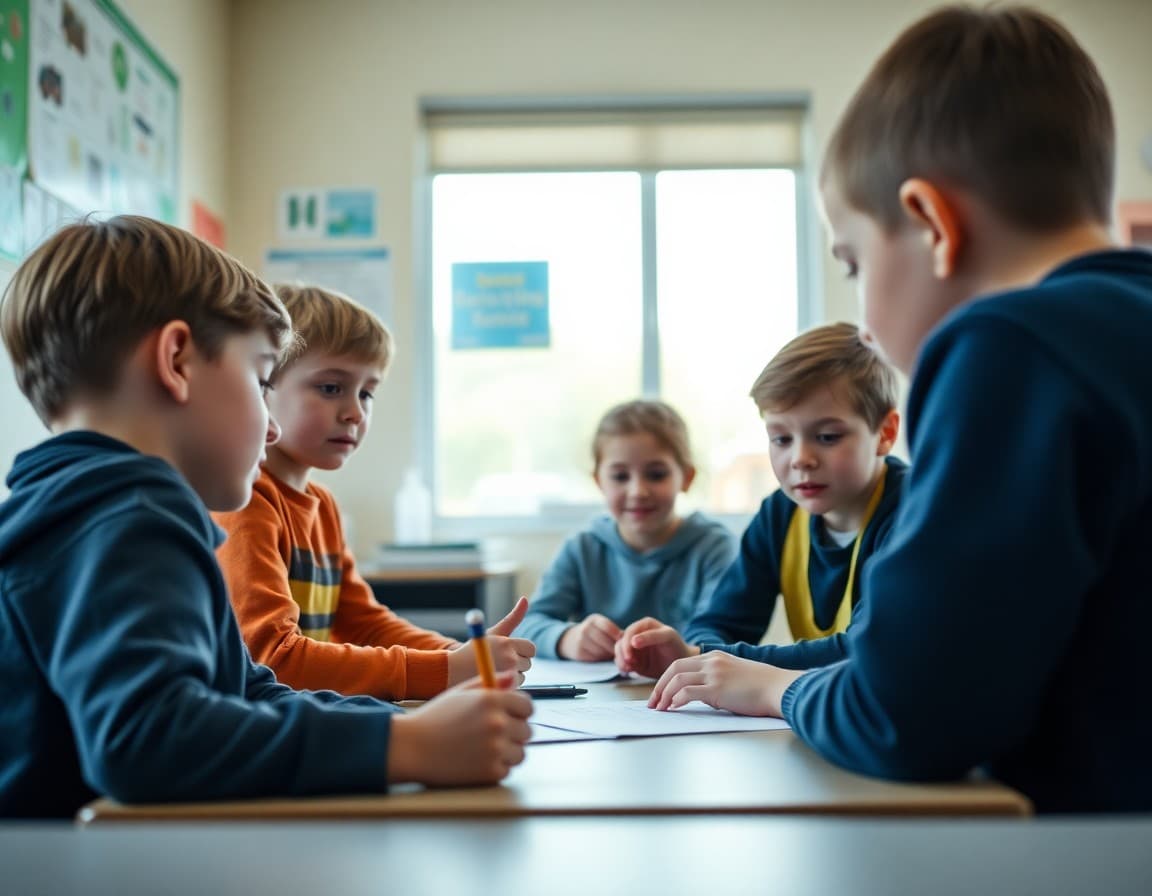
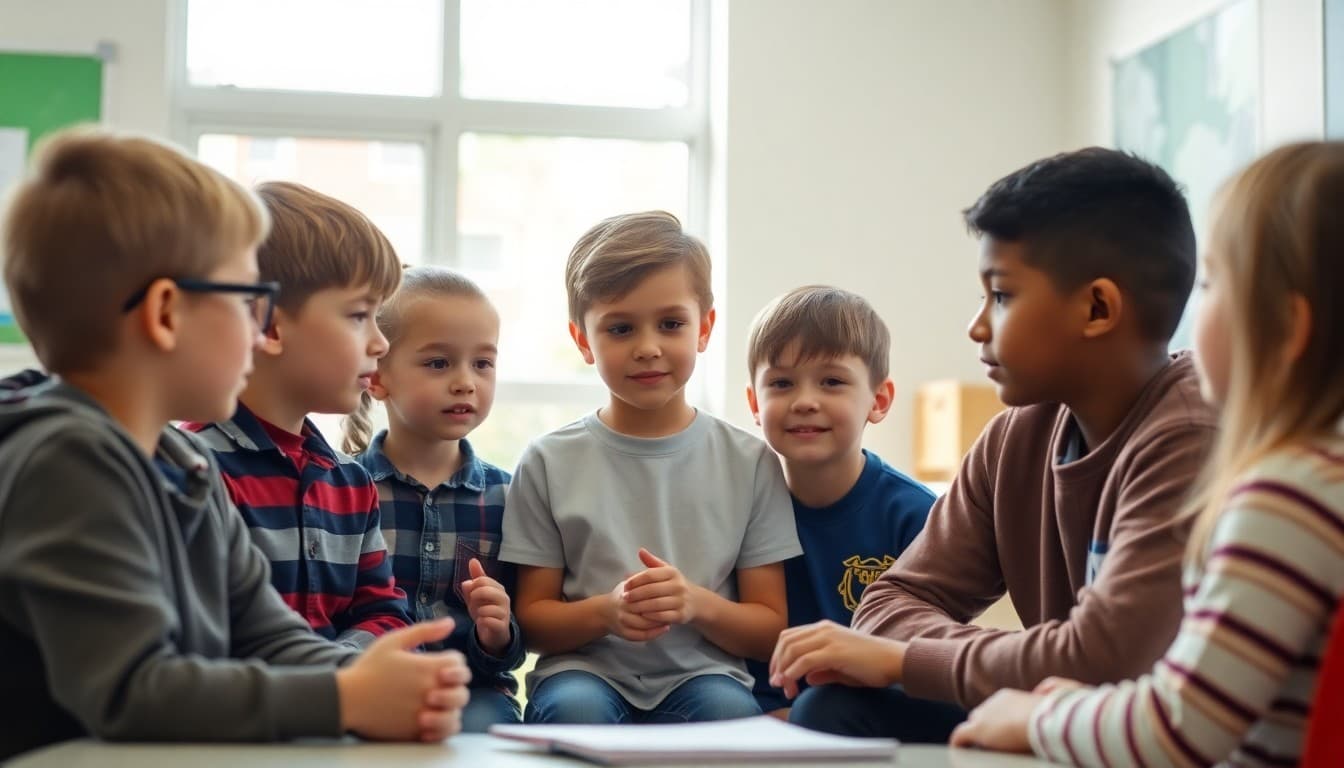
Fourth grade social dynamics are noticeably more complex than earlier grades. Friendships are more exclusive, peer judgment carries more weight, and students are starting to form social identities within the class hierarchy. Your newsletter helps families understand what is developmentally normal, what requires intervention, and how to build the specific skills their child needs.
The Fourth Grade Social Landscape
Be direct about what families can expect. Cliques are more defined in fourth grade than in earlier grades. Peer comparison is more common and more pointed. Social hierarchies are more visible. None of this is unusual. The question is whether the social dynamics are navigated with the skills to maintain dignity for everyone involved.
This Quarter's Skill Focus
Name the specific skills you are working on. For example: recognizing and resisting peer pressure, standing up for a classmate who is being excluded, and managing disappointment in competitive situations. Give families the exact vocabulary you use so they can reinforce the same language at home.
Upstander Behavior: Teaching It Explicitly
Fourth graders can learn to be upstanders rather than bystanders. Specific behaviors: walking over to a student who is excluded and inviting them to join. Saying "that is not okay" when someone is being mocked. Not laughing when a classmate is embarrassed, even if others are. These specific actions require practice because the social pressure to go along with a group is real and strong at this age.
Peer Pressure: Name the Feeling
Help families coach their children to recognize the physical sensation of peer pressure: the pull to go along with something you are not sure about. Practice the pause: "When you feel that pull, pause for 3 seconds before acting. In those 3 seconds, ask yourself: is this what I would choose if I were alone?" This is a teachable pause, not an abstract rule.
Competition and Self-Worth
Fourth grade is a good time to address the connection between performance and self-worth explicitly. Help families: "Your worth is not your grade, your score, or your ranking in any comparison. You are allowed to want to do well. You are not allowed to need to be better than others to feel okay." Practice this at home by celebrating effort and growth rather than comparative rank.
When to Contact the School
Give families clear guidance. Contact the teacher when: the same conflict involves the same students for two weeks, you hear about behavior that involves deliberate exclusion or humiliation, or your child is showing signs of significant stress or school avoidance. Brief peer conflicts are for the child to work through; persistent social harm requires school intervention.
Get one newsletter idea every week.
Free. For teachers. No spam.
Frequently asked questions
What social challenges are typical in fourth grade?
Fourth grade brings more complex social dynamics: cliques with clear inclusion and exclusion patterns, academic and social comparison increasing, peer pressure beginning to influence choices, more nuanced forms of relational aggression (exclusion, rumor-spreading, social manipulation), and the early stages of identity formation around peer group membership. These are developmentally normal and require direct skill building.
How do you address cliques in fourth grade without punishing normal friendship preferences?
The key distinction is between preference and exclusion as a strategy to harm. Wanting to spend time with specific friends is normal. Actively working to exclude a particular child, spreading negative information about them, or using the clique as a power tool is not. Classroom instruction should name this distinction explicitly and address the behavior when it crosses into intentional social harm.
What is peer pressure in fourth grade and how should families talk about it?
Fourth grade peer pressure is often subtle: going along with a group decision you disagree with, laughing at something you find unkind to avoid being excluded, or changing your answer because a peer said something different. Families can build resistance by practicing the 'I statements' and upstander language explicitly at home: 'I don't think that is a good idea' and 'That is not okay' are skills that require practice.
What does healthy competition look like in fourth grade?
Healthy competition motivates personal improvement without deriving satisfaction from others' failure. Fourth graders can understand this distinction with explicit teaching. In healthy competition: you want to do your best, losing is disappointing but manageable, and the other person's success does not diminish yours. Signs of unhealthy competition: satisfaction when others fail, inability to congratulate winners, defining self-worth by ranking.
Can Daystage help me update families on SEL curriculum throughout the fourth grade year?
Yes. A monthly SEL update section in your Daystage newsletter, naming the skill you are working on and giving families 2-3 specific discussion prompts or activities, takes 10 minutes to write and produces much stronger home-school alignment. Families who receive these updates are more likely to use consistent language and respond productively to peer issues.

Adi Ackerman
Author
Adi Ackerman is a former classroom teacher and curriculum writer with 8 years in K-8 schools. She writes about school communication, parent engagement, and what actually works in real classrooms.
More for Classroom Teachers
Social-Emotional Learning Updates in Your Classroom Newsletter
Classroom Teachers · 6 min read
Fourth Grade Classroom Community Newsletter: Student Agency and Shared Values
Classroom Teachers · 6 min read
Third Grade Social Skills Newsletter: What Families Need to Know This Year
Classroom Teachers · 6 min read
Ready to send your first newsletter?
3 newsletters free. No credit card. First one ready in under 5 minutes.
Get started free