Fourth Grade Classroom Community Newsletter: Student Agency and Shared Values
Fourth grade classroom community operates at a genuinely higher level than earlier grades. Students run class meetings, engage in peer mediation, and take on leadership roles with real consequences. Your newsletter shares this with families and explains how to extend these practices beyond the school day.
Student-Led Class Meetings
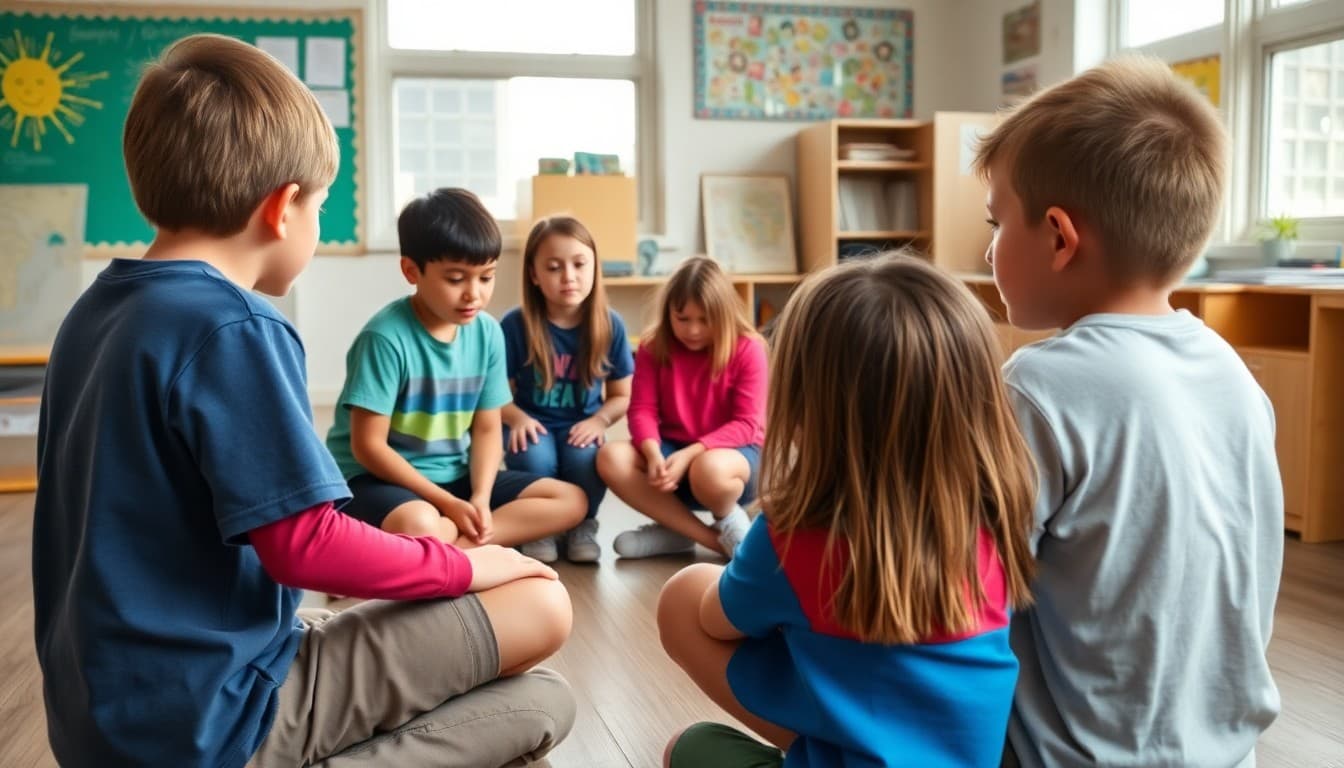
If your class runs student-led meetings, describe the format. A typical fourth grade class meeting: a student facilitator opens the meeting, the class begins with compliments and appreciations, then works through an agenda of community issues proposed by students in advance, ending with a decision or plan. The teacher observes rather than leads. Tell families: "Your child may come home talking about a class meeting. They are actually practicing facilitation, listening, problem-solving, and democratic participation."
Peer Mediation
If you use peer mediation, explain how it works. Trained student mediators help peers resolve conflicts using a structured process. The mediator does not take sides or decide who is right; they guide both parties to their own resolution. Share the steps: each person shares their perspective without interruption, the mediator identifies the core issue, both parties suggest solutions, and they agree on a plan.
Leadership Roles That Have Real Impact
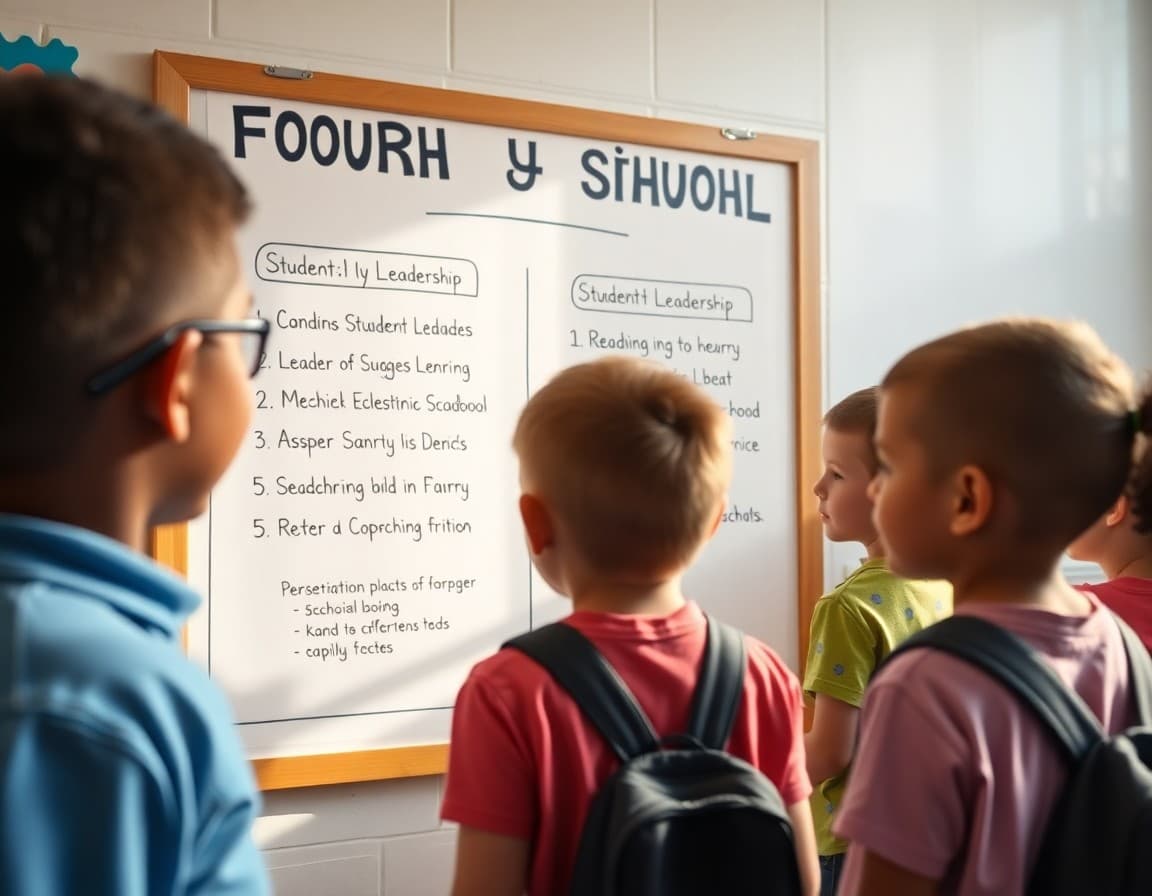
Describe the student leadership roles in your class and what each actually involves. Move beyond logistics to impact: "The classroom librarian does not just organize books. They make recommendations to classmates and decide how to display new books to make them accessible. That is a real curation role." The distinction matters because it changes how students approach the responsibility.
A Community Challenge and How We Are Addressing It
Share a real challenge your class is working through. Honesty about challenges builds trust with families far more than a newsletter that only reports successes. "This month we are working on the quality of our listening during class meetings. When someone is sharing, some students are not fully present. We are practicing turning toward the speaker and waiting until they are done before reacting."
How Families Can Mirror These Practices
Give families 3 specific ways to extend community practices at home. Try a family meeting once this month using the same agenda format as class meetings. When a conflict happens at home, try the peer mediation process: each person shares, identify the core issue, generate solutions. Ask your child to describe a leadership moment from school this week.
Get one newsletter idea every week.
Free. For teachers. No spam.
Frequently asked questions
How does classroom community work in fourth grade?
Fourth graders are capable of significantly more democratic participation than younger students. They can run class meetings independently, engage in genuine peer mediation, serve in meaningful leadership roles, and contribute to decisions about classroom life. The teacher's role in community building shifts from modeling to coaching. Students at this level can own the culture if given the structures and expectations to do so.
What is peer mediation in fourth grade?
Peer mediation is a structured conflict resolution process where a trained student mediator helps two conflicting peers find a resolution, without adult intervention. Fourth graders are developmentally ready for this role with training. The mediator does not judge who is right; they guide both parties through a process: share perspectives, identify the core issue, generate solutions, agree on a plan. Programs like Resolving Conflict Creatively are common at this level.
How can fourth grade families support classroom community at home?
Use the same conflict resolution language your classroom uses. Ask your child about class decisions and leadership moments, not just academic work. Practice the listening and perspective-taking skills that community building requires: at dinner, give each person uninterrupted time to speak while others actively listen. This mirrors the class meeting structure and builds the same skills.
What should I do when a fourth grader is sabotaging classroom community?
Have a direct private conversation with the student about the specific behavior and its impact on others. Then involve the family: describe what you are observing, ask about any context that might explain it, and discuss what you are doing in class and what would be useful at home. Persistent community disruption at fourth grade usually has an underlying cause worth identifying: peer conflict, stress at home, or unmet social needs.
Does Daystage support including student-created content in the classroom newsletter?
Yes. Many fourth grade teachers include a student-written section in their Daystage newsletter, where a different student writes a brief class news item each week. This builds writing skills and community ownership simultaneously. Including photos of students in leadership roles or community moments makes the newsletter concrete and engaging for families.

Adi Ackerman
Author
Adi Ackerman is a former classroom teacher and curriculum writer with 8 years in K-8 schools. She writes about school communication, parent engagement, and what actually works in real classrooms.
More for Classroom Teachers
Ready to send your first newsletter?
3 newsletters free. No credit card. First one ready in under 5 minutes.
Get started free