

4th Grade Gifted and Enrichment Newsletter for Families
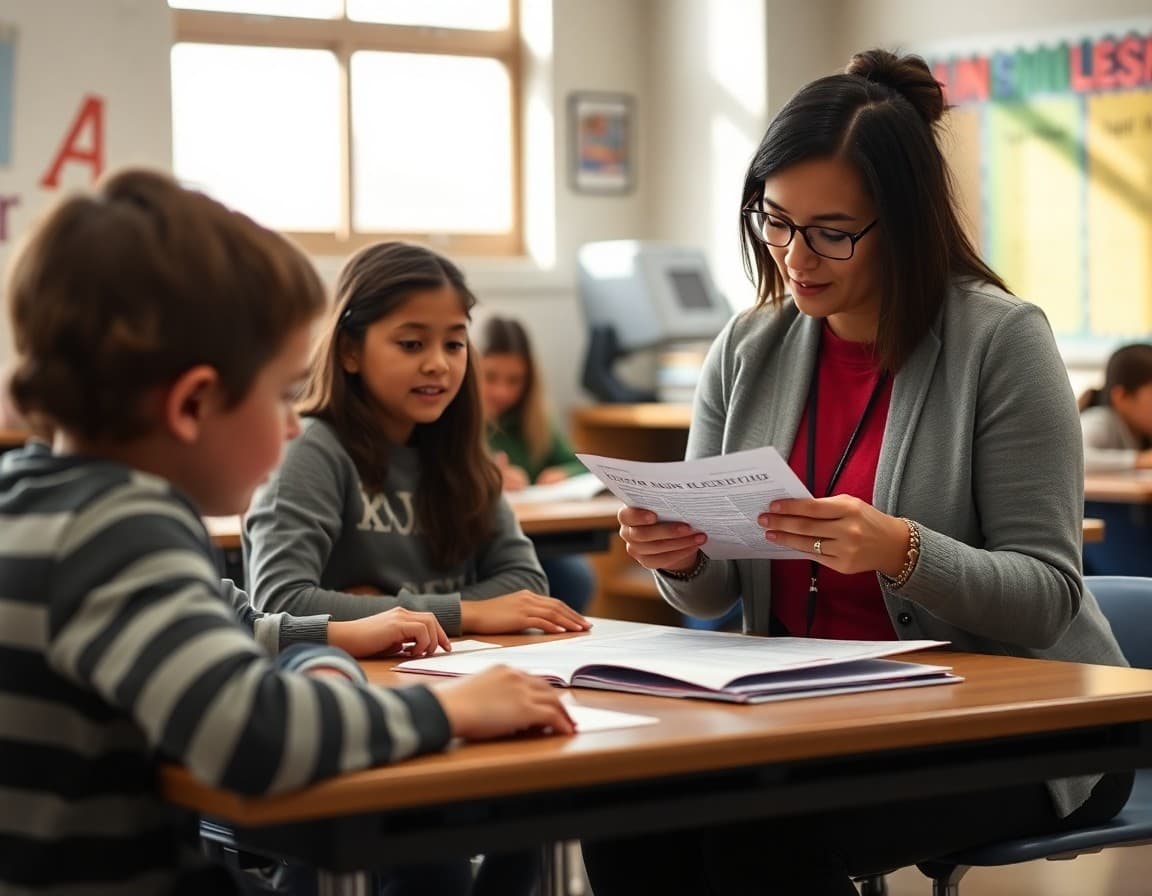
Fourth grade is often the year when gifted services become more formalized and when families of high-ability students begin to have clearer expectations for what the school offers. A well-written gifted enrichment newsletter communicates what the program does, how students are identified and served, and what families can do at home to support their advanced learner without either pushing too hard or letting the student disengage from appropriate challenge.
This guide covers what to include in a fourth grade gifted newsletter, how to handle the identification process transparently, and what at-home enrichment actually looks like for this age group.
What the Program Provides
Open with a concrete description of the gifted enrichment services available at your school for fourth graders. How often do students attend? What is the focus? Who leads the program? What projects or activities will students complete this year? Families who receive a specific description can ask their child meaningful questions about the program.
Avoid generic language like "challenging and enriching experiences." Describe the actual activities: "Students are working on a four-week independent research project on a scientific or historical topic of their choice, culminating in a presentation to their enrichment cohort" tells families much more.
The Identification Process
By fourth grade, families are often asking directly about how identification works. Describe the specific criteria and process: assessment scores used, teacher recommendation procedures, timeline for determination, and how families can request a review. Transparency about this process is one of the most significant factors in family satisfaction with gifted programs.
Sample Newsletter Section Excerpt
Here is how a 4th grade gifted enrichment newsletter might read:
Fourth Grade Enrichment Program - 2026-27
The Lincoln Elementary enrichment program serves fourth grade students identified as gifted or demonstrating consistent advanced readiness. This year, our enrichment cohort meets twice per week with Mrs. Park for 45-minute sessions focused on independent research, advanced problem-solving, and above-grade-level reading and discussion.
Current focus: Research and Investigation
Students are currently working on independent research projects on topics they selected in September. Each student will present their research to the group in December. Topics this year range from marine biology to the history of the printing press to quantum computing basics.
How students are identified: Identification is based on a combination of state standardized assessment scores, teacher evaluation forms, and in-program screening tasks. Families may request a formal evaluation at any time by contacting Mrs. Park. Formal identification is reviewed at the end of each school year.
Upcoming enrichment events: MATHCOUNTS registration opens October 15. Students who wish to compete should indicate interest by October 20.
What Advanced Learners Sometimes Struggle With
A brief, honest section about common challenges gifted students face is appreciated by families who are observing these patterns at home without a framework for understanding them. Perfectionism, frustration at first failure, difficulty with collaborative tasks, and emotional intensity are all common. Normalizing these challenges without pathologizing them gives families language for what they observe.
At-Home Enrichment That Works for 4th Graders
Fourth grade advanced learners benefit from intellectually challenging conversations, access to complex reading materials, opportunities to go deep on topics they find fascinating, and some experience with productive struggle. At-home suggestions: let them choose difficult books and read alongside them, explore their current interest area without trying to structure it, and give them real problems to solve rather than practice worksheets.
Daystage and Communication with Gifted Families
Gifted program newsletters reach a smaller, more specific audience than class-wide newsletters. Teachers and coordinators who use Daystage can build a professional-looking program newsletter and send it directly to the relevant families without needing the main office's help, making consistent program communication much more manageable.
Get one newsletter idea every week.
Free. For teachers. No spam.
Frequently asked questions
What does gifted education typically look like in 4th grade?
Fourth grade is often when formal gifted identification and services become more structured. Common services include pull-out enrichment programs meeting one to two days per week, differentiated classroom instruction, acceleration in specific subjects, and participation in competitions or extended projects. The newsletter should describe what your school's specific program offers rather than a generic description.
How do you communicate about gifted identification without making families whose children were not identified feel their child was unfairly excluded?
Be transparent about the identification criteria, assessment process, and timeline. Families who understand the process, even if their child was not selected, are more accepting of the outcome than families who feel the decision was arbitrary or opaque. Also note that identification is not permanent and that students are reviewed periodically or can be referred for re-evaluation.
What enrichment activities are most common and valued in 4th grade gifted programs?
Independent research projects on self-selected topics, problem-based learning with open-ended challenges, above-grade-level reading and discussion, math enrichment and competitions like MATHCOUNTS, academic competitions, and project-based units that go deeper into content than the standard curriculum are most common. The newsletter should describe the specific activities your program uses.
How do gifted 4th graders sometimes struggle that families do not expect?
Gifted students can struggle with perfectionism, frustration when tasks are not automatically easy, difficulty with collaborative work, and emotional intensity. These challenges are not unusual and are worth mentioning briefly in the newsletter as context for what families might observe at home. Some gifted students also experience significant anxiety about performance. Normalizing these challenges without pathologizing them helps families support their children appropriately.
How does Daystage help gifted coordinators communicate with 4th grade families?
Daystage lets gifted program coordinators send newsletters directly to their student and family list without routing through the main office communication system. You can build a program newsletter with activity descriptions, upcoming events, and enrichment ideas, and send it efficiently to the families in your program.

Adi Ackerman
Author
Adi Ackerman is a former classroom teacher and curriculum writer with 8 years in K-8 schools. She writes about school communication, parent engagement, and what actually works in real classrooms.
More for Classroom Teachers
Ready to send your first newsletter?
3 newsletters free. No credit card. First one ready in under 5 minutes.
Get started free