Third Grade Classroom Community Newsletter: Deepen the Culture All Year

By third grade, students are sophisticated enough to understand why community practices matter, not just what they are. A newsletter that goes beyond describing your morning meeting to explaining the philosophy behind it gives families a much richer picture of their child's learning environment.
Student-Driven Community
Third grade classroom community works best when students have genuine ownership. Describe the ways your students lead: they created the classroom agreements, they run class meetings, they take on leadership roles that have real consequences for the class. Tell families: "Your child is not just following rules I made. They helped create the norms this class runs by. That ownership changes how they relate to those norms."
Class Meetings: How They Work
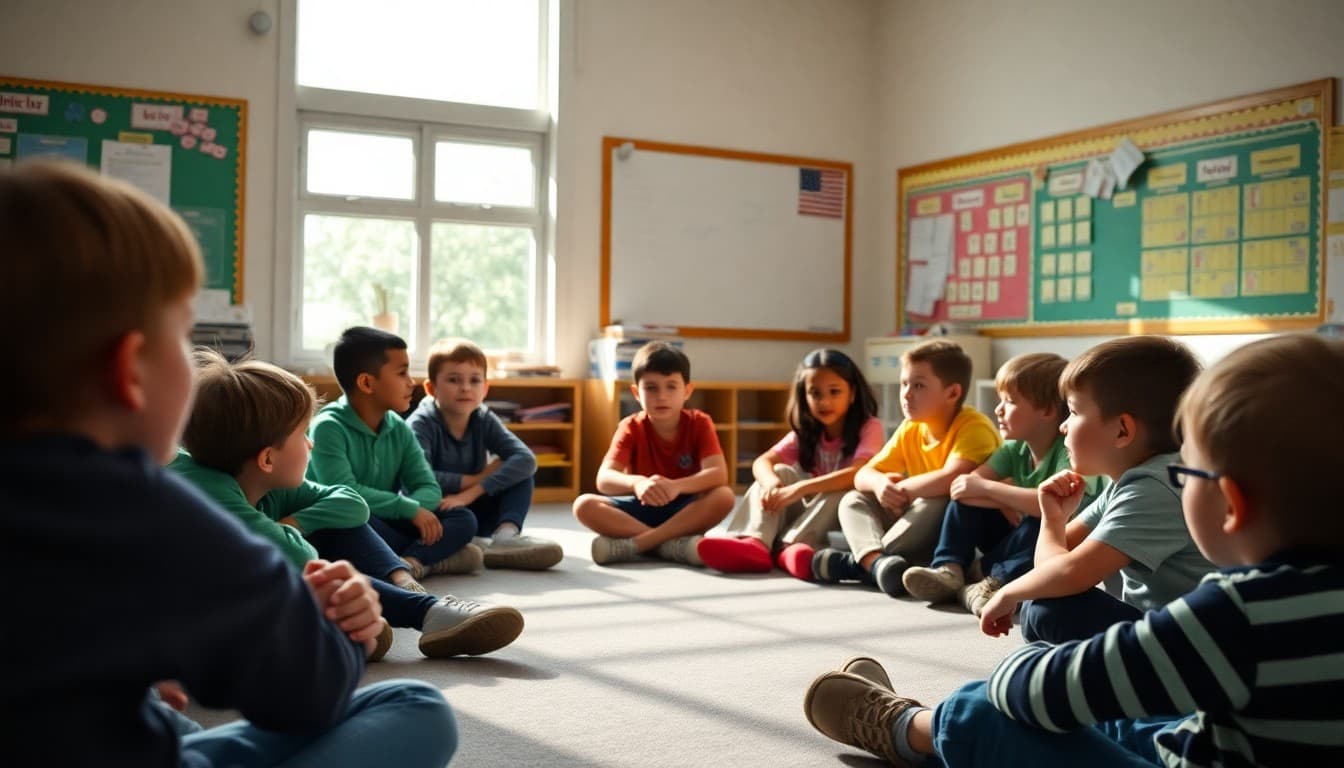
If you run class meetings, describe the format. Weekly or biweekly meetings with a compliment round, an agenda for community problems, and a decision component teach democratic participation in a concrete way. Tell families what was on the agenda this week, if appropriate. Connecting the newsletter to real classroom events makes it feel relevant rather than generic.
Peer Mediation and Conflict Resolution
Third graders can handle peer mediation with guidance. Describe the process: when two students have a conflict, they sit together, each shares their perspective, they identify what they both want, and they propose a solution. In many cases, they do this without adult facilitation by this grade level. Families who hear this are often surprised and impressed by how capable their child is.
Leadership Roles and What They Build
Third grade leadership roles can be more substantive than earlier grades. A class historian who photographs and documents community moments. A materials librarian who manages classroom resources. A class meeting facilitator who runs the weekly meeting. Describe the roles your class uses and connect each to a specific value or skill.
A Genuine Community Challenge We Are Working Through
Sharing a real community challenge builds trust with families. If your class is working on reducing interruptions during discussion, or on making sure everyone has someone to play with at recess, say so. Tell families what you are trying, what has worked, and what still needs improvement. Honest communication about challenges is more credible than a newsletter that only reports success.
How Families Can Connect at Home
Ask your child about a decision the class made this week. Practice the conflict resolution steps at home: name the feeling, share the perspective, propose a solution. Try a family meeting once this month where everyone gets an agenda item. These activities mirror classroom community practices and build the same skills.
Get one newsletter idea every week.
Free. For teachers. No spam.
Frequently asked questions
How does classroom community work in third grade specifically?
Third graders are cognitively and socially ready for a more democratic classroom community. They can participate in creating class agreements, run class meetings with minimal facilitation, take on genuine leadership roles, and engage in peer mediation. At this level, community building is less about establishing safety and more about developing agency and shared responsibility.
What is a class meeting and how does it work in third grade?
A class meeting is a structured student-run discussion for addressing community problems, celebrating achievements, or making decisions together. In third grade, the meeting format typically includes a compliment circle, a problem-solving agenda item proposed in advance, and a decision or plan. Students take turns running the meeting. This builds communication skills alongside community values.
How can third grade families support classroom community at home?
Three effective strategies: use the same conflict resolution language your classroom uses, ask your child about community moments at school (not just what they learned), and model community values at home by asking for everyone's input on family decisions rather than top-down deciding. Families who explicitly value collaboration at home produce students who collaborate well at school.
What should I do when a third grader is regularly disrupting classroom community?
Meet privately with the student first to understand what is driving the behavior. Then meet with the family to share what you are observing and ask about home context. Most persistent community disruptions have an identifiable trigger: social anxiety, difficulty with transitions, friendship conflict, or a need for attention that is not being met constructively. Address the underlying cause rather than just the behavior.
Does Daystage let me share student-created class agreements in the newsletter?
Yes. Photographing your class community agreements chart and including it in a Daystage newsletter gives families a visual connection to the community your students built. It also invites families to reference the agreements at home: 'I saw your class agreement about listening. How does that work in your classroom?'

Adi Ackerman
Author
Adi Ackerman is a former classroom teacher and curriculum writer with 8 years in K-8 schools. She writes about school communication, parent engagement, and what actually works in real classrooms.
More for Classroom Teachers
Social-Emotional Learning Updates in Your Classroom Newsletter
Classroom Teachers · 6 min read
How to Explain Your Classroom Behavior Policy in a Newsletter
Classroom Teachers · 6 min read
Second Grade Classroom Community Newsletter: Connect Families to Your Classroom Culture
Classroom Teachers · 6 min read
Ready to send your first newsletter?
3 newsletters free. No credit card. First one ready in under 5 minutes.
Get started free