

5th Grade Special Education Inclusion Newsletter
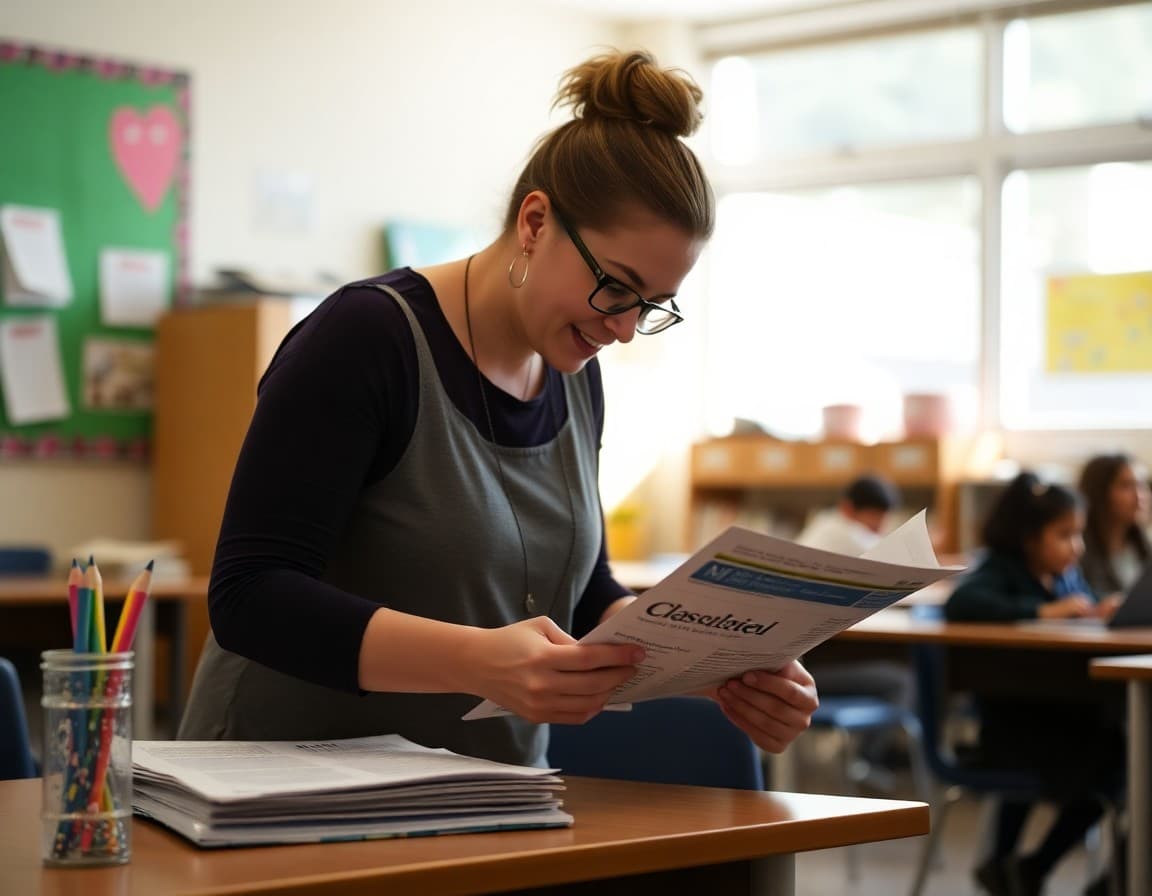
A fifth grade inclusion newsletter carries different stakes than those at earlier grades because fifth grade is the year when middle school transition planning begins for students with disabilities. A well-written newsletter addresses both the classroom's inclusive culture for all families and signals to families of students with IEPs that the school is actively planning for what comes next.
This guide covers how to write a fifth grade inclusion newsletter that serves both audiences, maintains every student's privacy, and addresses the middle school transition in a way that is informative without overstepping what belongs in direct family communication.
The Fifth Grade Context: Last Year of Elementary
Open the inclusion newsletter with an acknowledgment of what fifth grade represents: the last year of elementary school and the year when habits, systems, and supports are most important to get right before middle school. This framing signals that the newsletter is not just about the current classroom but about preparing every student for the transition ahead.
Inclusive Practices That Benefit Everyone
Describe the specific inclusive structures used in the classroom, framed as benefits for all students. By fifth grade, these structures can be described with more sophistication than at earlier grades: "Our classroom uses Universal Design for Learning principles, which means we build flexibility into instruction from the start rather than retrofitting accommodations after the fact."
Name three to five specific practices with brief descriptions. Fifth grade families can engage with more nuanced language than kindergarten families.
Sample Newsletter Section Excerpt
Here is how a fifth grade inclusion newsletter section might read:
How our classroom supports every learner:
Our classroom is designed for a wide range of learners from the ground up. Rather than building one-size instruction and adjusting for individuals, we design for variability from the start. This benefits every student, including students who do not have formal support plans but who learn best with flexibility built in.
Structures we use:
- Flexible response options: students can demonstrate understanding through writing, discussion, visual presentation, or demonstration
- Flexible grouping based on skill focus that changes regularly
- Extended time and quiet workspace options available for any student who needs them
- Co-teaching with Mrs. Rivera during morning instruction periods
- Student advocacy practice: students are learning to identify what helps them learn and ask for it
On differences: Fifth graders are old enough to understand that fairness does not mean everyone gets the same thing. It means everyone gets what they need. We have explicit conversations in our classroom about this, and you can reinforce the same idea at home.
About the middle school transition: For families whose child has a formal support plan, fifth grade is when transition planning for middle school becomes part of the IEP process. Please reach out to ensure this is part of your child's annual review conversation.
Teaching Self-Advocacy in Fifth Grade
At fifth grade, helping students develop self-advocacy skills is one of the most important things an inclusive classroom can do. Students who can identify what helps them learn and ask for it are better prepared for middle school, where support structures are often less embedded and where students must navigate a larger, more complex environment. A brief section in the newsletter noting that self-advocacy is an explicit skill the class works on invites families to reinforce it at home.
The Middle School Transition for Students with IEPs
This section is for the class-wide newsletter but is most directly relevant to families of students with IEPs. A brief, respectful note acknowledging that middle school transition planning is legally required to begin at 16 but best practice encourages starting in fifth grade gives families the information they need to advocate for their child. "If your child has an IEP, please ensure that your annual review this year includes discussion of middle school placement and services. I am happy to connect you with our special education coordinator."
Privacy and Individual Communication
Close with the privacy reminder that makes this newsletter trustworthy. "All communication about individual students' support plans happens directly between the family and the teacher or support team, never in class-wide communication. If you have questions about your specific child, please reach out privately." This statement maintains trust with families who value their child's privacy and signals professionalism to the whole community.
Get one newsletter idea every week.
Free. For teachers. No spam.
Frequently asked questions
What makes a 5th grade inclusion newsletter different from earlier grade newsletters?
At fifth grade, the middle school transition becomes a central concern for families of students with disabilities. The newsletter should address how special education services will transition to middle school, what families need to do to participate in transition planning, and how the IEP team is preparing students for the academic and social expectations of middle school. This is content that does not appear in earlier grade inclusion newsletters.
How do you communicate about the middle school transition for students with IEPs?
In the class-wide newsletter, you can note generally that fifth grade is when transition planning for middle school becomes more active for students with support plans. For families with students who have IEPs, the specific transition planning conversation happens in the IEP meeting, not in the class-wide newsletter. Invite those families to reach out directly to ensure their child's middle school transition is addressed explicitly in the annual IEP review.
How do 5th grade students typically respond to visible learning differences among peers?
Fifth graders are generally more aware of differences than younger students and more likely to notice and comment on accommodations, different materials, or support from a second teacher. They are also capable of more nuanced understanding of why these differences exist. The newsletter can note that the class has ongoing conversations about what it means to be a fair community where everyone gets what they need.
What classroom inclusion practices are particularly effective at 5th grade?
Universal Design for Learning principles work well at any grade: providing multiple ways to engage with content, multiple ways to demonstrate understanding, and multiple means of representation. At fifth grade specifically, peer support structures, flexible grouping, and project-based learning that allows multiple entry points are particularly effective. The newsletter can describe these practices as benefits for all students.
How can Daystage help with inclusive classroom communication at 5th grade?
Daystage lets teachers send clean, professional newsletters to their full class list and also send more targeted communications to specific families when needed. For inclusion-related content, you can build a class-wide newsletter addressing inclusive practices generally, and separately communicate with individual families about their child's specific plan.

Adi Ackerman
Author
Adi Ackerman is a former classroom teacher and curriculum writer with 8 years in K-8 schools. She writes about school communication, parent engagement, and what actually works in real classrooms.
More for Classroom Teachers
Ready to send your first newsletter?
3 newsletters free. No credit card. First one ready in under 5 minutes.
Get started free