
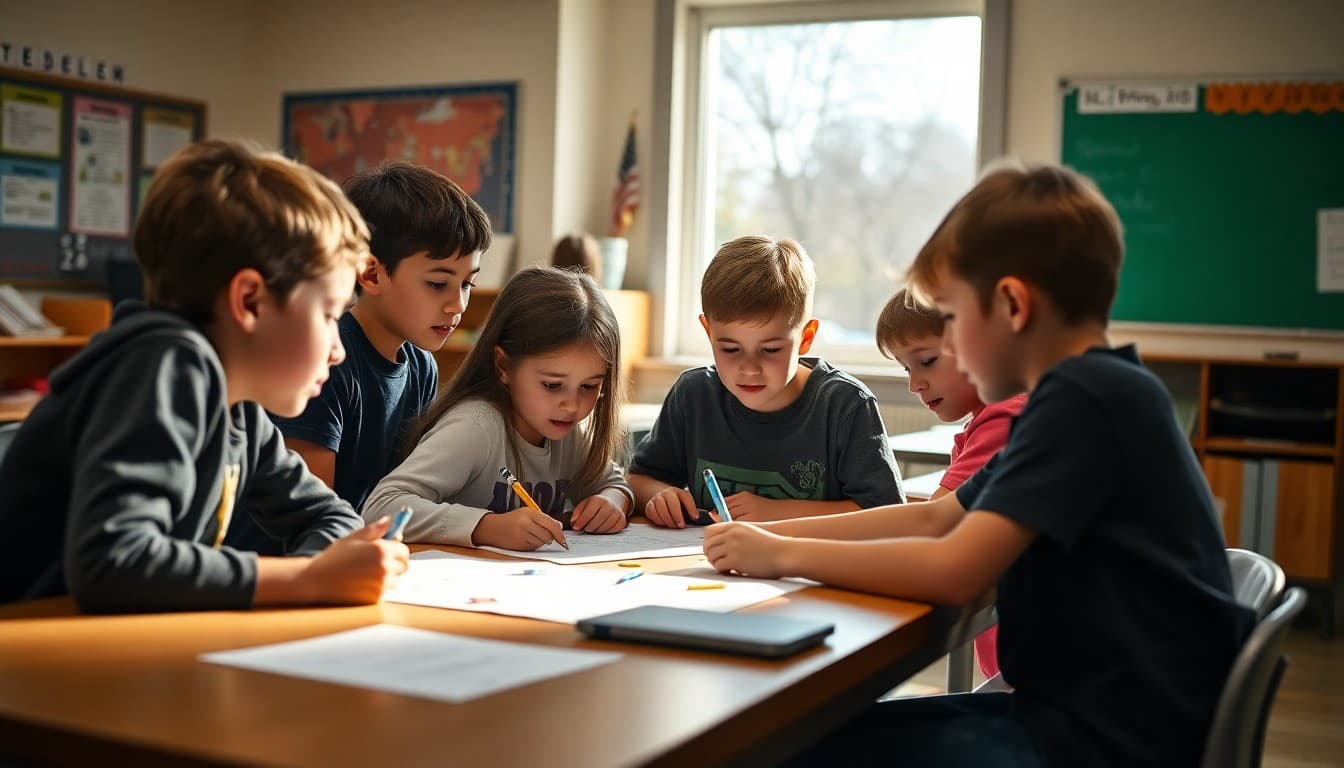
5th Grade Social Skills Newsletter: Relationship Building at School
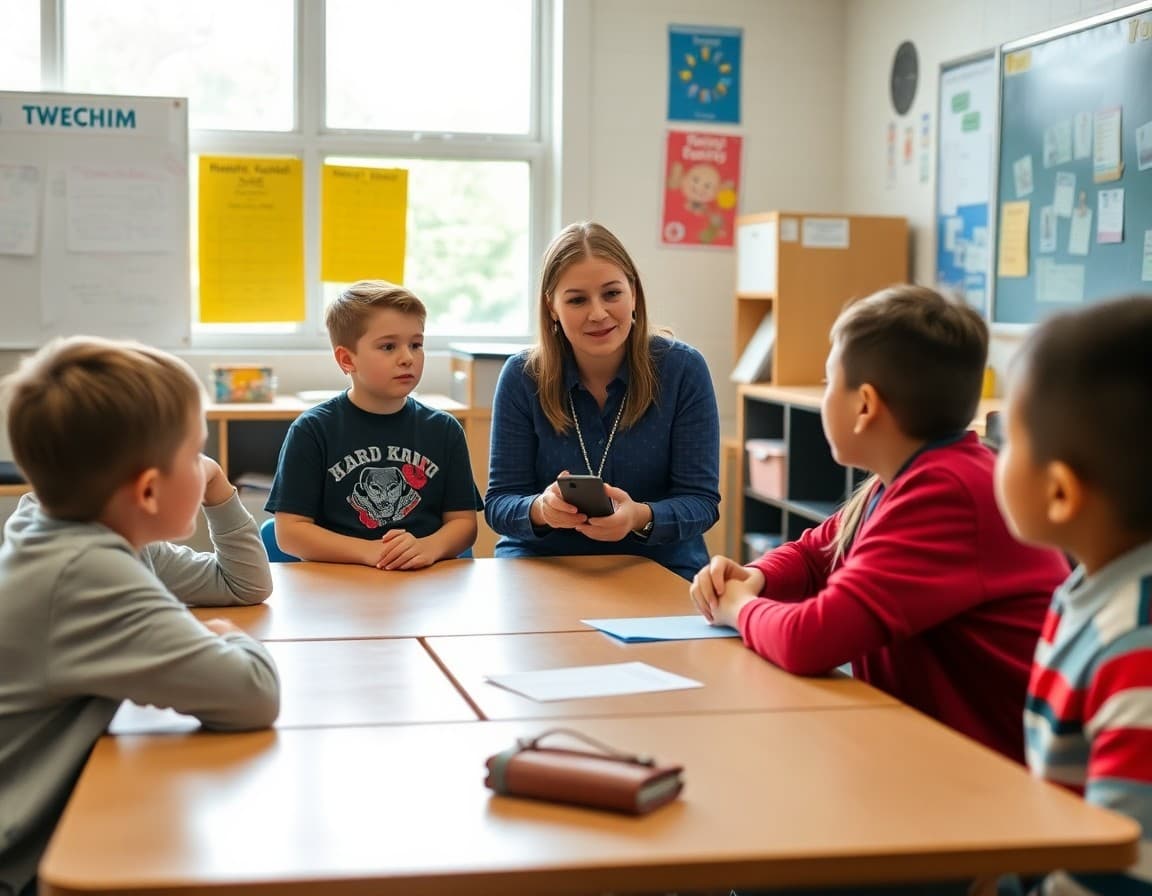
Fifth grade is a social turning point. Students are forming more complex friendships, becoming more sensitive to peer perception, and navigating exclusion and belonging in ways they have not dealt with before. Parents often feel blindsided by sudden social struggles at this age. A social skills newsletter that explains what is developmentally normal and what you are doing about it is one of the most valuable things you can send home all year.
What Social Development Looks Like in 5th Grade
Being specific about developmental norms helps families distinguish between a child who is struggling and one who is simply growing. In 5th grade, it is normal for: friend groups to shift significantly, students to care deeply about peer opinion, exclusion to become more intentional, and conflicts to feel much bigger than they appear from the outside. These are not signs that something is wrong. They are signs that your students are right on schedule.
What You Are Teaching in Class
Name the specific skills you are working on: perspective-taking exercises, restorative conversation practices, collaborative problem-solving, and active listening. When families know you are teaching social skills explicitly, they understand why their child comes home with new vocabulary or frameworks for handling conflict. It also signals that social development is taken seriously in your classroom, not just left to chance.
Conflict and Repair
One of the most important 5th grade social skills is the ability to repair after a conflict. Teach students that rupture and repair is a normal part of all relationships, not evidence that a friendship is broken. Your newsletter can share this frame with families: "We teach students that conflict is not the end of a friendship. Knowing how to apologize genuinely and come back to a relationship is a skill we practice explicitly." That framing reduces family panic when their child reports a falling-out.
A Home Practice Template
Share a simple conversation protocol families can use when their child comes home upset about a social situation:
"Try asking: What happened? How do you think the other person felt? What could you do next? Avoid jumping to 'what did you do wrong' or 'here is what I would do.' The goal is to coach your child through the thinking, not solve it for them."
That protocol puts families in a coaching role rather than a fixing role, which is both more helpful and more likely to build durable social skills.
Inclusion as a Skill, Not Just a Value
In 5th grade, inclusion requires active effort. Students do not naturally include peers who are different from them or on the social periphery. Tell families what inclusion looks like in practice: inviting someone to sit with you at lunch, noticing when someone is left out and saying something, choosing partners in a way that does not leave anyone feeling rejected. Families who hear this as a skill can practice it at home and affirm it when they see it.
Online Social Dynamics
Group chats and social media spill into classroom dynamics constantly in 5th grade. An argument that started in a group chat on Sunday affects Monday morning. Let families know that what happens online is real social behavior that affects school relationships. Encourage them to check in about online interactions, not just in-person ones.
When to Contact You
Tell families when they should reach out: if their child is expressing persistent unhappiness about friendships, if they are aware of bullying behavior that has not been addressed, or if they have concerns about a social situation involving your class. Being explicit about this prevents the problem of families sitting on significant information because they are not sure if it rises to the level of a school issue.
Get one newsletter idea every week.
Free. For teachers. No spam.
Frequently asked questions
What social skills should 5th graders be developing?
Perspective-taking, self-regulation during conflict, giving and receiving feedback, inclusive behavior, and the ability to repair relationships after a rupture. These are the skills most associated with long-term social success and are directly teachable through intentional classroom practice.
Why do some 5th graders suddenly seem to struggle socially?
The 4th and 5th grade transition often brings a shift in peer dynamics. Students become more aware of social hierarchies, exclusion becomes more intentional, and friendships become more complex. This is developmentally normal but can feel like regression to parents. Your newsletter can normalize this while describing how you are addressing it.
How can families support social skill development at home?
Role-playing social scenarios at home is one of the most effective strategies. Ask your child to describe a conflict and then think through multiple responses. Model perspective-taking in family conversations. Avoid solving social problems for your child, but coach them through the thinking process.
My child says they have no friends. Should I address this in the newsletter?
This is a situation for a private conversation, not a newsletter. But you can include in your newsletter a sentence that invites parents to reach out: 'If your child is expressing concerns about friendships or feeling left out, please email me. This is something we can address together.' That opens the door without broadcasting anything.
Does Daystage allow me to share social-emotional resources in newsletters?
Yes. You can include links, embedded content, and resource sections in Daystage newsletters. Sharing a link to a specific book, article, or school counselor resource directly in the newsletter makes it easy for families to act on it immediately.

Adi Ackerman
Author
Adi Ackerman is a former classroom teacher and curriculum writer with 8 years in K-8 schools. She writes about school communication, parent engagement, and what actually works in real classrooms.
More for Classroom Teachers
Ready to send your first newsletter?
3 newsletters free. No credit card. First one ready in under 5 minutes.
Get started free