
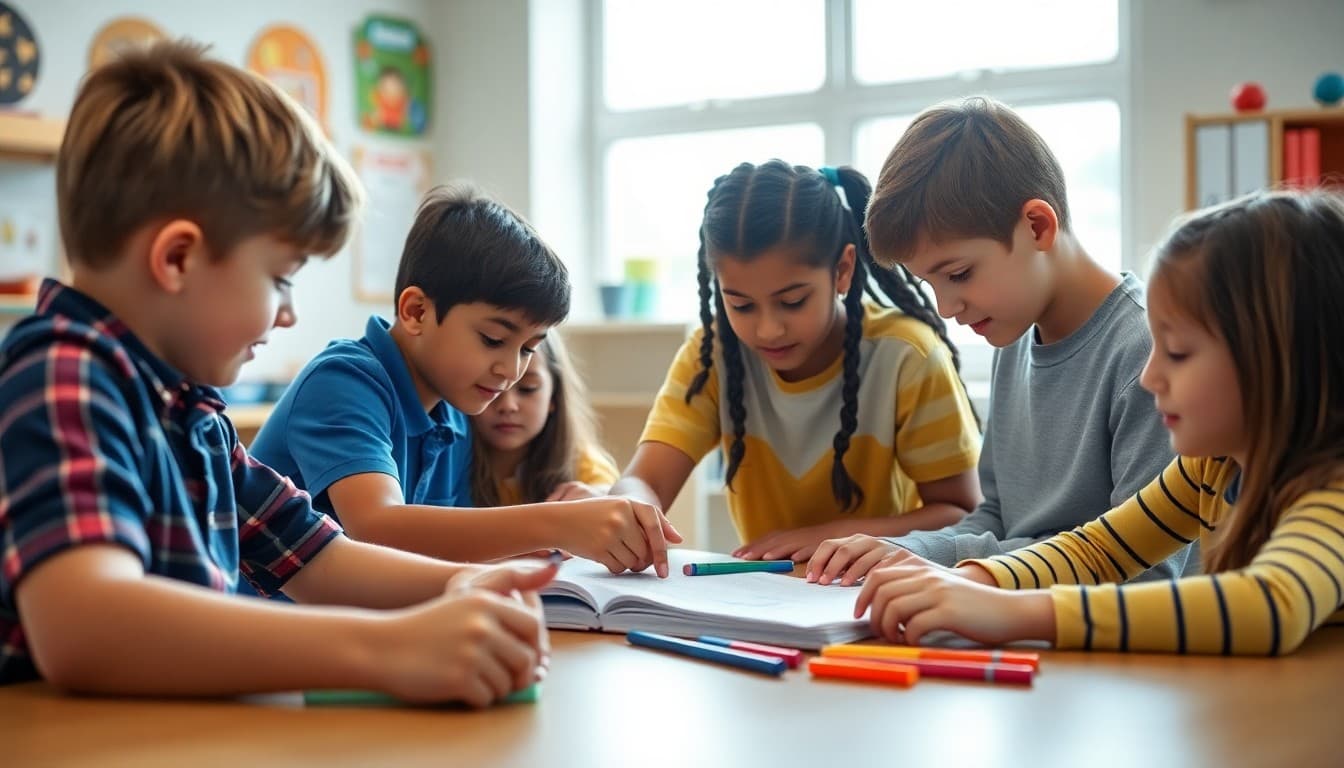
5th Grade Classroom Community Newsletter: Building Belonging Together
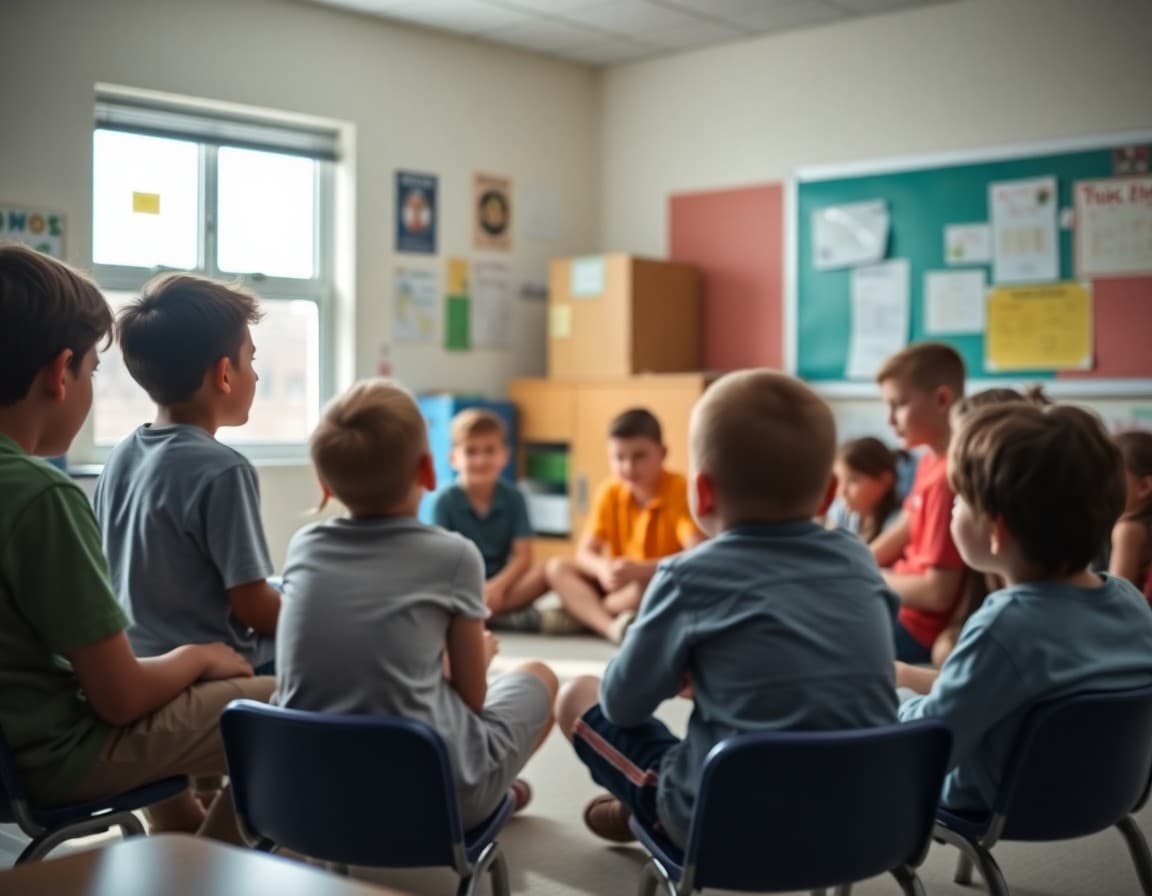
By 5th grade, social dynamics inside a classroom can make or break the learning environment. Students are navigating friendships, status, belonging, and emerging identity at the same time they are doing the hardest academic work of their elementary careers. A classroom community newsletter that keeps families informed about how you are building culture is one of the most underused tools in a teacher's communication arsenal.
Why Academic Newsletters Miss Half the Picture
Most newsletters cover curriculum: what unit is coming up, what homework is due, what field trips are happening. Those updates are necessary. But they say nothing about how students are treating each other, how you respond to conflict, or what kind of environment you have worked to create. Families who only get academic news do not know how to support the social-emotional side of what their child experiences every day.
Lead With Your Class Agreements
If your class developed community agreements or norms together, share them in the newsletter. Explain how they were created and what they mean in practice. "Our class agreed on four norms: listen to understand, disagree respectfully, include everyone, and repair when we hurt someone. We revisit these every Monday morning meeting and use them to navigate disagreements." That paragraph gives families a window into your values and a vocabulary to use at home.
Describe How You Handle Conflict
Many parents assume conflict means punishment. Your newsletter can explain your actual approach. Do you use restorative conversations? Peer mediation? A cool-down process followed by a structured talk? When families know your system, they stop expecting you to punish every incident and start trusting your judgment. That trust is worth a lot when a harder situation arises later in the year.
Share Specific Community Moments
The most effective community newsletters include specific examples without naming individual students. "This week a student made a mistake on a presentation and instead of laughing, the class applauded the effort and jumped in to help. That is exactly the culture we have been building." Specific moments make abstract values feel real. They also give families something concrete to discuss at home.
What Families Can Reinforce at Home
Give families two or three conversation starters tied to your community values. "Ask your child: who did you help today? Did you notice anyone being left out? How did you handle a disagreement this week?" These questions do two things: they extend your community work into the home, and they signal to students that what happens in your classroom matters to their family.
Addressing Social Challenges Honestly
Fifth grade can be socially rough. Exclusion, drama, online conflicts that spill into school: these are real. When you address them in a newsletter at a class level, families feel informed rather than blindsided. You do not need to detail specific incidents. A sentence like "we have been working through some friendship challenges as a class" is enough to open the door for families whose child is in the middle of it.
Celebrate the Community You Have Built
End community newsletters with something positive. A moment of peer support, a class achievement that required teamwork, a student who modeled the community values you care about. Families who read these newsletters leave feeling good about your classroom. Students who know their families are reading about the community take it more seriously too.
Get one newsletter idea every week.
Free. For teachers. No spam.
Frequently asked questions
Why send a classroom community newsletter separate from a general update?
Academic updates tell families what students are learning. A community newsletter tells them how the class is functioning as a group: what norms you have established, how you handle conflict, what your class values are. Families who understand your classroom culture trust you more and can reinforce those norms at home.
What should a 5th grade classroom community newsletter include?
Cover your class agreements or norms and where they came from, how you handle peer conflict, any team-building activities you have done, how students are supporting each other, and what families can do at home to reinforce the culture you are building. Keep it specific to this year's class.
How often should I send a community-focused newsletter in 5th grade?
Three to four times a year is realistic for a dedicated community newsletter. Start of year, after the first month when norms are established, in January as social dynamics often shift, and in spring. Weave shorter community updates into your regular monthly newsletter the rest of the year.
My class is having social drama. Should I address it in the newsletter?
You can address it at a class level without naming individuals or incidents. Something like: 'We have had some challenging moments in friendships this month. We are working through them together, and I want families to know what we are doing in class to support healthy peer relationships.' That communicates the situation without broadcasting details.
Can Daystage help me track which families read my community newsletter?
Yes. Daystage shows you open rates so you can see which families are reading your newsletters. If community engagement is low, you can try different subject lines or send at a different time of day. Knowing who is not reading lets you follow up by phone or at pickup.

Adi Ackerman
Author
Adi Ackerman is a former classroom teacher and curriculum writer with 8 years in K-8 schools. She writes about school communication, parent engagement, and what actually works in real classrooms.
More for Classroom Teachers
Ready to send your first newsletter?
3 newsletters free. No credit card. First one ready in under 5 minutes.
Get started free