

5th Grade Classroom Rules and Expectations Newsletter
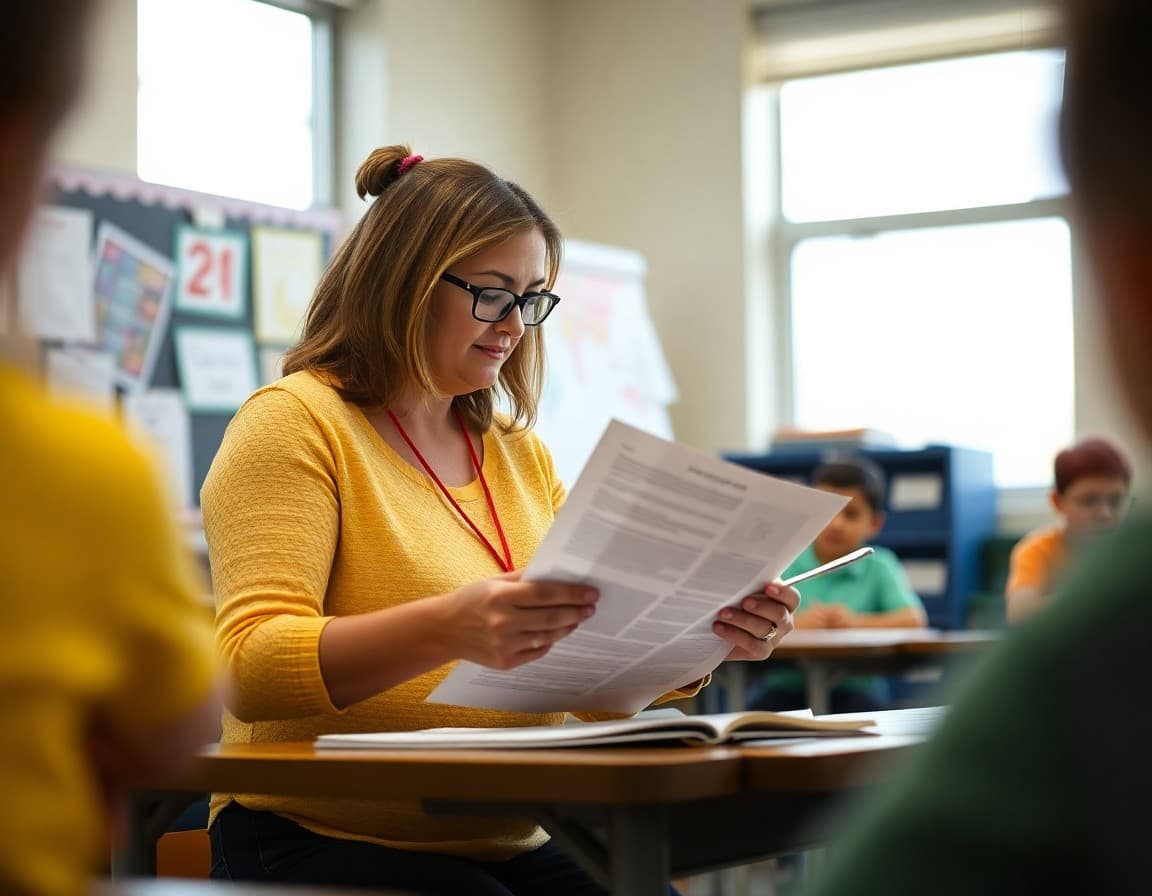
The classroom rules and expectations newsletter is often the first substantive communication families receive at the start of the year. How it is written sets the tone for the entire parent-teacher relationship. A rules newsletter that reads as a list of don'ts signals a compliance-focused classroom. One that explains the values behind the expectations and describes how students participated in creating them signals a classroom community worth belonging to.
This guide covers how to write a fifth grade classroom rules newsletter that communicates expectations clearly, explains the reasoning behind them, and gives families a genuine role in reinforcing the community norms at home.
Co-Created Rules vs. Teacher-Imposed Rules
At the fifth grade level, classroom rules created with student input have significantly more buy-in than rules handed down from above. If your classroom norms were developed with the class, say so in the newsletter. "In the first week of school, our class worked together to identify the values and behaviors we need to thrive as a community this year. Here is what we agreed to" frames the rules as community agreements rather than external constraints.
If you set the rules yourself, you can still frame them as values-based rather than prohibitions, but you lose the authenticity of student ownership. Consider involving students even briefly in reviewing and committing to the expectations you bring to the class.
The Values Behind the Rules
For each major rule or expectation, include the value it represents. This helps families understand the why, which makes reinforcement at home more coherent and helps students apply the rule to novel situations the specific rule does not directly address.
Example: "We respect everyone's right to learn without distraction [rule] because every student in this room has a right to engage fully with their education [value]. This means phones stay in backpacks, conversations stay relevant to the work, and we help each other stay focused rather than pulling each other off task."
Sample Newsletter Section Excerpt
Here is a template you can adapt:
Our classroom community agreements:
In our first week together, our class agreed on five agreements that define how we will work and learn together this year:
1. We respect everyone's right to learn. Phones off, voices appropriate to the task, and attention to the work in front of us.
2. We take care of our community. We leave the classroom ready for the next person. We share materials fairly. We clean up after lab and project work.
3. We are honest about our work. We cite sources, submit our own writing, and ask for help when we are stuck rather than copying someone else's thinking.
4. We treat people with basic dignity. This includes people we are not friends with, people we disagree with, and people who are different from us.
5. We take responsibility for our choices. If we make a mistake, we acknowledge it and work to make it right.
How you can reinforce these at home:
Ask your child: "What is one of your class agreements? How did you live up to it today?" These conversations build the habit of reflecting on one's own behavior rather than just reacting to others'.
Technology and Phone Policy
At fifth grade, technology expectations deserve their own section. State the policy clearly: phones off and in backpacks from arrival to dismissal. Note the consequences for violations and how the school enforces the policy. Families who explicitly reinforce the school phone policy at home significantly reduce classroom friction.
Academic Integrity
Fifth grade is the year when plagiarism and copying become more of a concern, particularly as students begin independent research and longer writing assignments. A brief academic integrity section that defines what counts as plagiarism, what appropriate collaboration looks like, and what happens when a student is found to have copied work gives families the context they need to have this conversation at home before it becomes a disciplinary situation at school.
Consequences: A Restorative Approach
Describe consequences as restorative and proportional rather than punitive. A brief explanation of your approach signals to families that discipline in your classroom is about restoring community rather than punishment, which reduces defensiveness when their child is involved in a disciplinary situation.
Get one newsletter idea every week.
Free. For teachers. No spam.
Frequently asked questions
How do you write a classroom rules newsletter that does not sound like a list of prohibitions?
Frame rules as community agreements and describe the values behind each one rather than just the behavior required. 'We treat everyone with respect, including people we disagree with or people we are not friends with' is a values-based rule. 'No name-calling' is a prohibition. The values-based version gives students and families something to reason with when a specific situation arises that the rule does not directly cover.
Should 5th graders help create classroom rules?
Yes, at the fifth grade level especially. Students who participate in creating classroom expectations are more invested in maintaining them. The newsletter can note that rules were co-created with students, which signals a classroom culture of genuine participation rather than adult imposition. This also gives families a conversation to have: 'What rules did you help make for your class?'
How do you communicate consequences for rule violations without the newsletter sounding punitive?
Describe consequences as natural outcomes of community agreements rather than punishments. 'When a community member makes a choice that harms the class, we address it through a conversation, a restorative practice, and if needed, a consequence that matches the severity of the impact' is more honest and less alarming than a tiered consequence chart. Include contact information for families to reach out if there is a specific incident they want to discuss.
What classroom expectations should every 5th grade family newsletter address?
Technology and phone use, academic integrity (especially as students begin more independent research), respect for the learning environment, procedures for getting help or leaving the classroom, and expectations for group work and project collaboration. These are the areas most likely to generate conflict or confusion and benefit from clear upfront communication.
Can Daystage help send a classroom rules newsletter with a professional format?
Yes. Daystage lets teachers build and send class communication with clean formatting, organized sections, and a mobile-friendly layout. A classroom rules newsletter built in Daystage signals organization and professionalism from the first communication of the year.

Adi Ackerman
Author
Adi Ackerman is a former classroom teacher and curriculum writer with 8 years in K-8 schools. She writes about school communication, parent engagement, and what actually works in real classrooms.
More for Classroom Teachers
Ready to send your first newsletter?
3 newsletters free. No credit card. First one ready in under 5 minutes.
Get started free