

5th Grade Behavior Newsletter to Parents: Managing Challenges
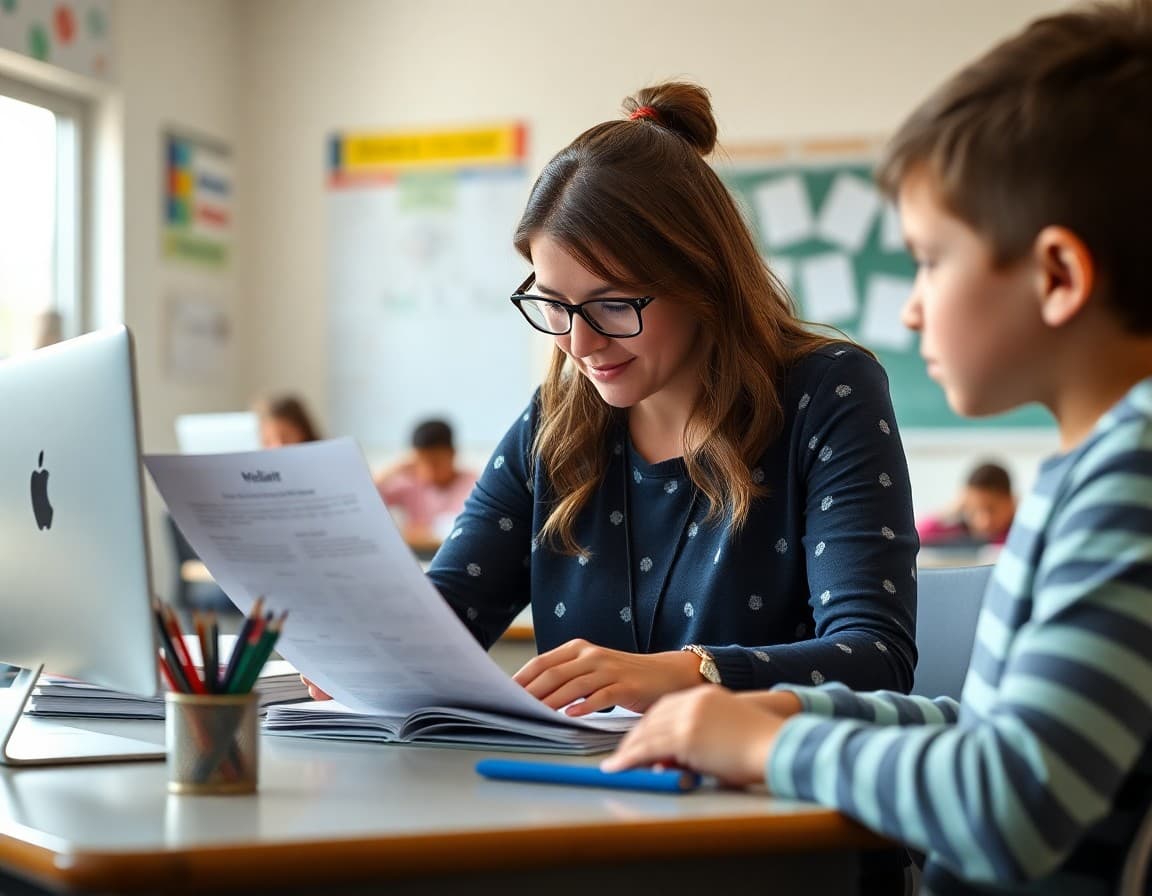
Fifth grade behavior challenges are fundamentally different from kindergarten behavior challenges. Instead of impulse control and transition management, you are navigating peer dynamics, pre-adolescent social complexity, emerging independence, and the social ramifications of technology. A behavior newsletter at this grade level needs to speak to families as partners managing a sophisticated set of developmental realities, not as recipients of a classroom discipline report.
This guide covers how to write a fifth grade behavior newsletter that is honest, specific, and constructive without identifying individual students or inflaming parent defensiveness.
Name the Developmental Context First
Open the newsletter by framing the behavior challenge within its developmental context. Fifth graders are in the early stages of pre-adolescence, which brings legitimate cognitive, social, and emotional shifts. Acknowledging this context prevents the newsletter from reading as a complaint and signals to families that you understand what is driving the behavior.
"Fifth grade is the year when peer relationships become the primary social focus for many children. This shift is developmentally appropriate and also creates specific classroom dynamics around social groups, belonging, and testing boundaries that we address actively throughout the year."
The Pattern You Are Addressing
Be specific about what the class is experiencing without naming or implying individual students. Describe the behavior pattern, how frequently it is occurring, what impact it has on the learning environment, and what you are doing in response.
"We have had consistent challenges with social media conversations interrupting work periods, both through phones and through in-person social dynamics that carry over from online activity. I have adjusted our seating and work protocols to address this, and I am asking for family support at home."
Sample Newsletter Section Excerpt
Here is how a fifth grade behavior newsletter section might read:
A note on our classroom community this month:
I want to be honest with you about something our class is working through. Over the past three weeks, we have had consistent challenges with students staying engaged during independent and partner work periods. This is a pattern at this time of year in fifth grade and connects to the developmental shifts your children are navigating as they approach middle school.
What we're doing in class:
- Shorter, more varied work periods with movement breaks
- Community circle time twice per week to address social dynamics
- Clearer consequences for phone policy violations
- More project-based work that channels the social energy productively
How you can help at home:
- Talk to your child about why sustained focus matters even when something feels hard or boring
- Ask about how they are handling social situations at school - specifically how they treat people they are not close friends with
- Review the school's phone policy with your child and reinforce it as a family rule, not just a school rule
The Phone and Technology Section
Technology deserves its own paragraph in most fifth grade behavior newsletters. Be specific about your school policy, what you are observing, and what you need families to do. "Students who bring phones should keep them off and in their backpack from arrival to dismissal. Students who need to reach a parent during the day should come to the main office. We have had [X] phone incidents this month and I need family reinforcement of this expectation."
Social Dynamics: What Families Can Do
Social exclusion, clique formation, and relational aggression are common in fifth grade. The newsletter can address these patterns directly without identifying students. Include two or three specific conversation prompts families can use at home: "Do you have any friends who seem lonely lately? What do you do when that happens?" These conversations are both a teaching tool and an early detection mechanism for family members.
Closing on Partnership
Close the newsletter with a clear invitation to reach out individually if a family has concerns about their specific child. "If anything in this newsletter raised a question about your child in particular, please reach out. I want to be in partnership with you on this, not just sending newsletters about it."
Get one newsletter idea every week.
Free. For teachers. No spam.
Frequently asked questions
What behavior challenges are typical for 5th graders?
Fifth graders commonly navigate peer relationship complexity (cliques, social exclusion, developing romantic interests), increased testing of authority and boundaries as they approach middle school, technology and phone-related distractions, varying engagement levels as some students feel ready to move on from elementary, and the challenge of maintaining effort when material feels repetitive. A newsletter that names these patterns accurately helps families recognize and respond to them rather than feeling confused about changes in their child's behavior.
How do you address phone or technology issues in a class behavior newsletter?
Be specific about the school policy and what the class is experiencing. 'Our school policy requires phones to be off and stored in backpacks during the school day. We have had consistent challenges with this this semester, and I want to share what we are doing to address it and how families can support the policy at home' is honest and actionable. Vague references to technology problems without a clear policy statement or specific action are less useful.
How do you handle social dynamics like cliques or exclusion in a newsletter without identifying specific students?
Address the pattern at the developmental level, not the specific incident level. 'Fifth grade is a year when peer relationships become more complex and social exclusion sometimes occurs. We address this directly in the classroom through community meetings and social problem-solving activities' describes what is happening and what you are doing about it without implicating specific students. Invite families to reinforce at home that treating every person with basic respect is a non-negotiable expectation.
How should the newsletter handle a class-wide behavioral decline mid-year?
Be honest and specific about what you are observing without being alarmist. 'Our class is currently struggling with sustained focus during independent work periods. I have changed our daily schedule to include more movement breaks and shorter work blocks, and I am asking families to reinforce the importance of focused work at home' is transparent, solution-oriented, and actionable for families.
Can Daystage help teachers send sensitive behavior newsletters with appropriate professionalism?
Yes. Daystage helps teachers produce newsletters that look polished and professional even when the content is sensitive. A well-formatted newsletter signals that the communication was thoughtfully prepared, which sets the right tone for challenging content. You can send to your class families directly without routing through the office.

Adi Ackerman
Author
Adi Ackerman is a former classroom teacher and curriculum writer with 8 years in K-8 schools. She writes about school communication, parent engagement, and what actually works in real classrooms.
More for Classroom Teachers
Ready to send your first newsletter?
3 newsletters free. No credit card. First one ready in under 5 minutes.
Get started free