

December Growth Mindset Newsletter for School Families
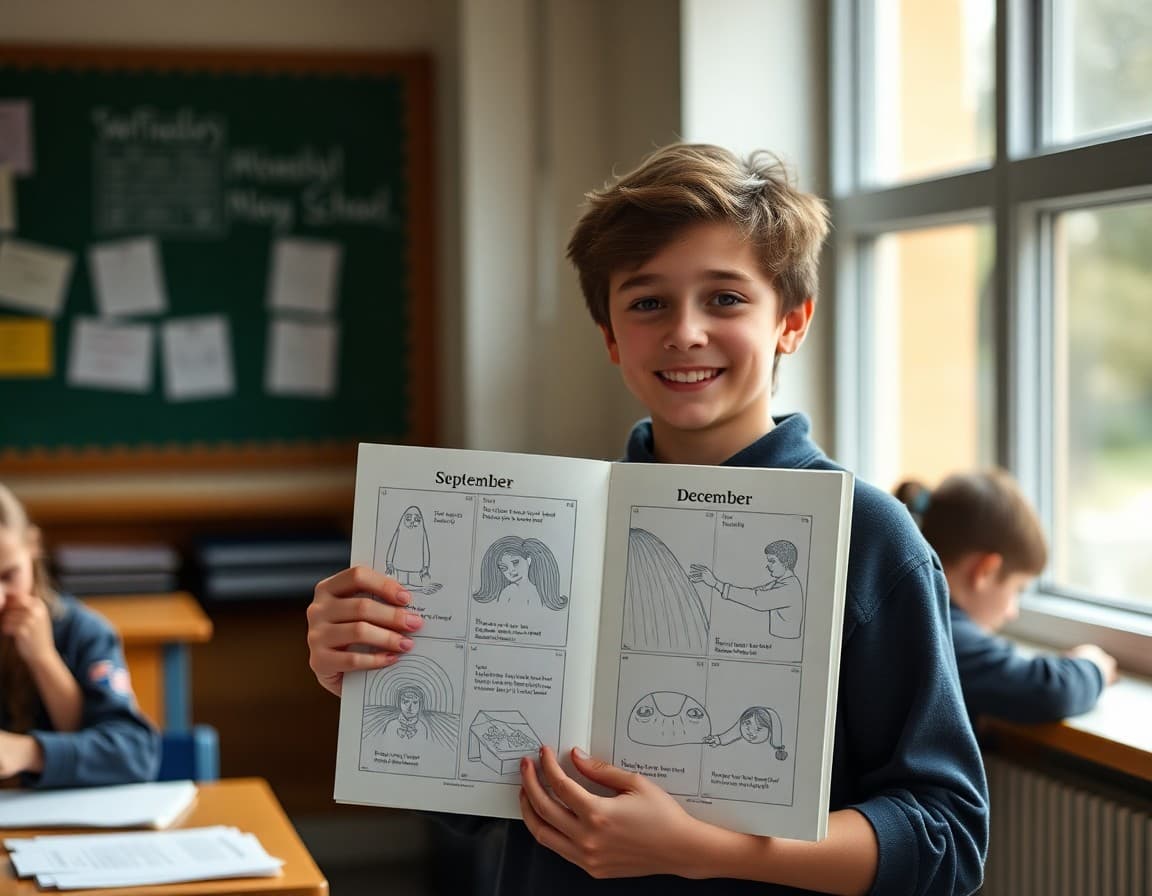
December is the emotional crescendo of the first half of the school year. Students are tired, families are busy, and the year's work is about to pause for two to three weeks. A growth mindset newsletter in December serves three purposes: it celebrates genuine progress, it helps families sustain the habits that will matter in January, and it plants the seed for a growth-oriented second semester.
Celebrating Semester Growth Specifically
Do not just say "the class has grown so much." Be specific. Name three or four things students can do now that they could not do in August. "Students can now write structured paragraphs with evidence and explanation. Most students are solving multi-step math problems independently rather than waiting for teacher guidance. Class discussions are richer and more student-led than they were in September." Those specific observations document real growth and give families something concrete to celebrate with their child.
A Growth Reflection Families Can Do Together
Ask families to try this before break: pull out any piece of work from August or September alongside a recent piece and compare them together. "Ask your child: what is better about this newer work? What do you know now that the August version of you did not know? That conversation is a growth mindset reflection that does not require any special materials."
What To Do Over Winter Break
Be specific and realistic. "I am not asking for formal academic work over break. I am asking for reading: 20 to 30 minutes, a few days each week, in a book your child has chosen and wants to read. That maintains reading stamina without creating resentment. Beyond reading, the best thing families can do over break is rest." That kind of practical, honest recommendation respects families' time and builds trust.
Fixed Mindset Traps in December
Two common ones: "You worked so hard this semester, now you can relax" (which signals effort is only for school seasons, not a general habit), and "Next semester will be better" without any specific plan (which signals magical improvement without strategy). Your newsletter can gently address both: "Rest is not the same as abandoning habits. And second semester improvement comes from specific plan, not from the calendar changing."
Setting a January Intention
Before break ends, encourage families to sit with their child and write down one growth intention for the second semester. Not a grade goal. A learning goal. "I want to get better at explaining my thinking in math." "I want to write conclusions that actually say something." "I want to try harder problems in reading instead of picking easier books." Write it down. Put it somewhere visible. Return to it in late January.
What January Will Bring
Close the December newsletter with a genuine preview of what the second half holds. "The second semester includes our biggest projects of the year. The skills we have been building since August are exactly what students will need to do those projects well. Students who arrive in January with their habits intact will have a significantly stronger second half." That sentence connects December habits to January outcomes in a concrete way.
Get one newsletter idea every week.
Free. For teachers. No spam.
Frequently asked questions
What should a December growth mindset newsletter include?
Celebrate specific semester growth rather than just achievements. Encourage families to acknowledge what their child has learned and how they have changed since August. Address winter break as an opportunity to maintain habits rather than disconnect entirely, and plant the seed for January intentions.
How do I help families celebrate growth without making it feel like grade pressure?
Frame celebration around learning rather than grades. 'Tell me something you know now that you did not know in August' is a growth celebration. 'Your grades improved this quarter' is an achievement celebration. Both have value, but only the first reinforces growth mindset. Your newsletter can guide families toward the more durable kind of recognition.
Should students maintain academic habits over winter break?
Some reading and light practice is beneficial, but winter break is also important recovery time. The research on summer learning loss applies to winter break in a much milder form. A realistic recommendation: read for 20 to 30 minutes a few days each week. That is enough to maintain momentum without creating holiday resentment.
What growth mindset intentions should families set for January?
Ask families to choose one specific learning goal for the second semester with their child: a subject area to focus on, a habit to build (like reading every night), or a skill to develop. Writing it down and revisiting it in late January is more effective than a vague resolution.
Can I include a year-in-progress reflection in a Daystage December newsletter?
Yes. Daystage makes it easy to build a structured reflection section in your newsletter. Some teachers include a brief before-and-after comparison: what the class was doing in August vs. what they can do now. That kind of concrete documentation of growth is one of the most compelling newsletter sections families receive all year.

Adi Ackerman
Author
Adi Ackerman is a former classroom teacher and curriculum writer with 8 years in K-8 schools. She writes about school communication, parent engagement, and what actually works in real classrooms.
More for Classroom Teachers
Ready to send your first newsletter?
3 newsletters free. No credit card. First one ready in under 5 minutes.
Get started free