
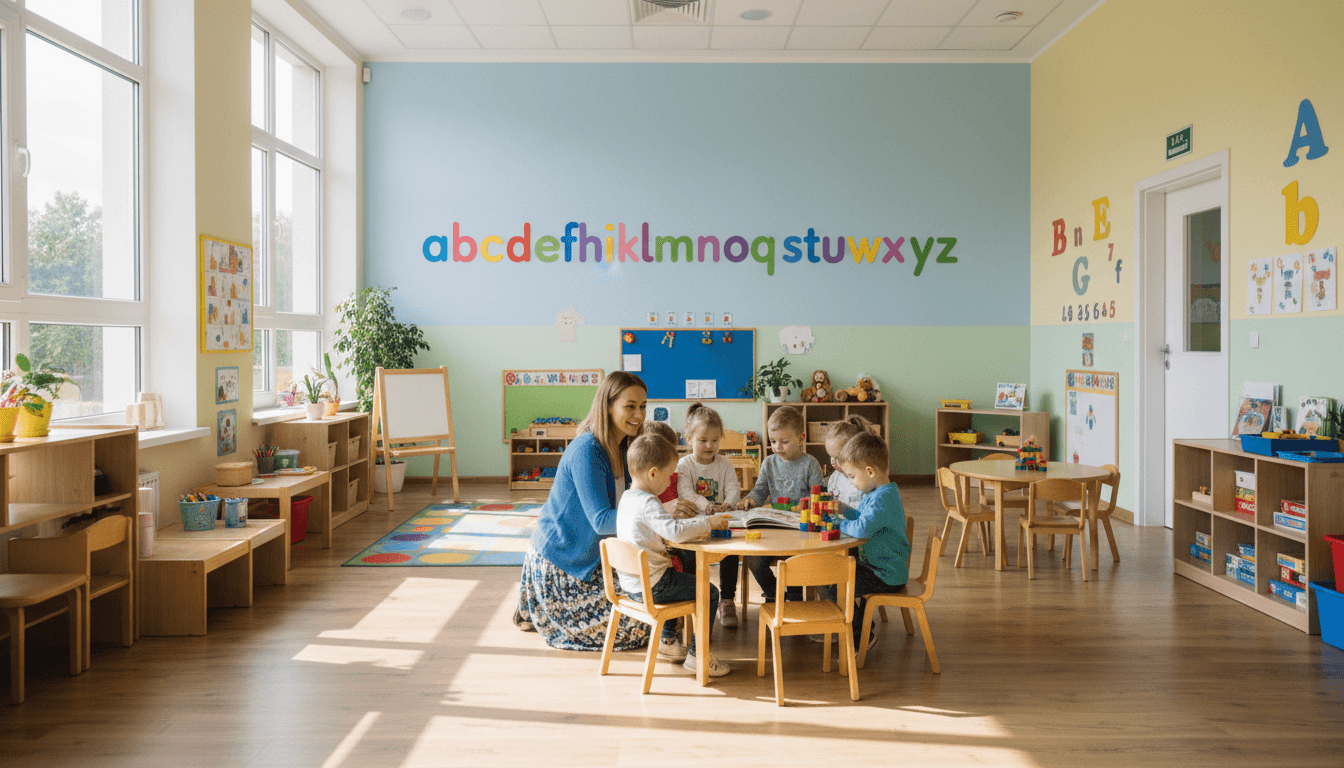
End of Semester Classroom Newsletter: How to Wrap Up Well
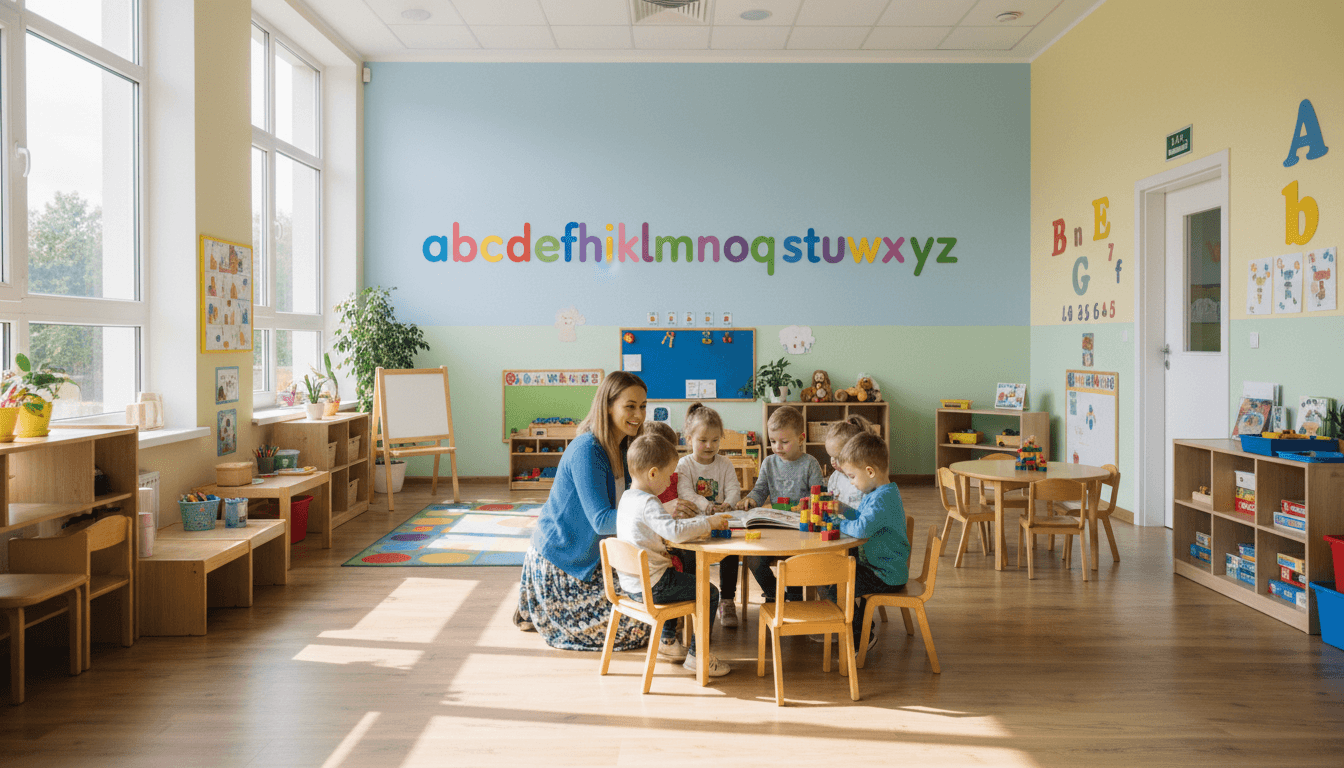
The last newsletter of a semester is one of the most read newsletters you will send all year. Parents are paying attention to how the term is closing, students are in a reflective mood, and you have something worth sharing: a semester's worth of real classroom experience. A well-written end-of-semester newsletter closes the term with purpose and sets a strong foundation for the next one.
Reflecting on the semester specifically
Do not write a list of units completed. Write about what actually happened in your classroom this semester. The project that went differently than expected. The discussion the class had that surprised you. The skill you watched students build over four months. One or two specific observations are worth more than a comprehensive curriculum recap.
Parents read these reflections closely because they want to know their student was part of something real. A specific reflection delivers that. A generic one does not.
Final week logistics
List any remaining assignments, tests, or projects due before the semester ends. Include the last day of school or the last day before a break and any schedule changes for that week. Note any grade reporting dates or portal update times so parents know when to expect final grades.
Keep the logistics section clean and easy to scan. A bullet list is better than a paragraph for time-sensitive information.
Previewing what comes next
A brief paragraph about what the next semester will bring gives parents forward momentum. You do not need to commit to every unit. Two or three sentences about the direction of the coming term, a project you are planning, or a skill the class will build on from this semester is enough to create continuity across the break.
Grade-level transition notes
At grade levels where a significant transition is coming, eighth grade moving to high school, fifth grade moving to middle school, twelfth grade graduating, an end-of-semester newsletter can acknowledge that transition directly. What have students accomplished that will carry them forward? What should families be thinking about as the next phase approaches? This forward-looking element makes the newsletter more than a wrap-up.
The closing note
End with something genuine. Thank the families for their partnership this semester. Name one thing you are genuinely proud of in the class. Express something you are looking forward to in the next term. This is the part of the newsletter that parents share with each other and reference when they talk about a teacher who was great. It does not take long to write. It just needs to be real.
Get one newsletter idea every week.
Free. For teachers. No spam.
Frequently asked questions
What should be in an end-of-semester classroom newsletter?
A reflection on what the class accomplished during the semester, any final assignments or tests coming up and their dates, what to expect in the next semester, any transition information specific to your grade level, and a genuine closing note. The end of a semester is a natural pause point, and a newsletter that marks it well builds parent goodwill that carries into the next term.
How long should an end-of-semester summary newsletter be?
Slightly longer than your typical newsletter is fine here, but still under 700 words. The extra length is earned by the occasion. This is the only end-of-semester newsletter you will send all year, and a more thoughtful summary is appropriate. Do not pad it. Add the content that is actually worth sharing.
When should I send the end-of-semester newsletter?
One week before the end of the term, or on the last day of classes before break. A week before gives families time to handle any outstanding items and mentally prepare for the transition. On the last day is appropriate for a purely reflective send when all logistics have already been communicated.
What is the most important thing to include in an end-of-semester newsletter?
A specific, genuine reflection on what the class has done this semester. Not a list of units covered. A real observation about what you saw happen in your classroom over the past four to five months. This is the content parents remember and share. Everything else is logistics.
How does Daystage help teachers send end-of-semester newsletters efficiently?
Daystage is built for classroom newsletters at every point in the year, including end-of-term sends. Your existing parent list and newsletter template are ready to go. You write the content, send it, and the open tracking tells you how many families engaged with the final newsletter of the semester.

Adi Ackerman
Author
Adi Ackerman is a former classroom teacher and curriculum writer with 8 years in K-8 schools. She writes about school communication, parent engagement, and what actually works in real classrooms.
More for Classroom Teachers
Cultural Heritage Month in Your Classroom Newsletter: What to Communicate
Classroom Teachers · 6 min read
Math Curriculum Overview in Your Classroom Newsletter: What Parents Need to Know
Classroom Teachers · 6 min read
How to Prepare Families for Student-Led Conferences in Your Newsletter
Classroom Teachers · 6 min read
Ready to send your first newsletter?
3 newsletters free. No credit card. First one ready in under 5 minutes.
Get started free