

Classroom Jobs Newsletter: Student Responsibility at School
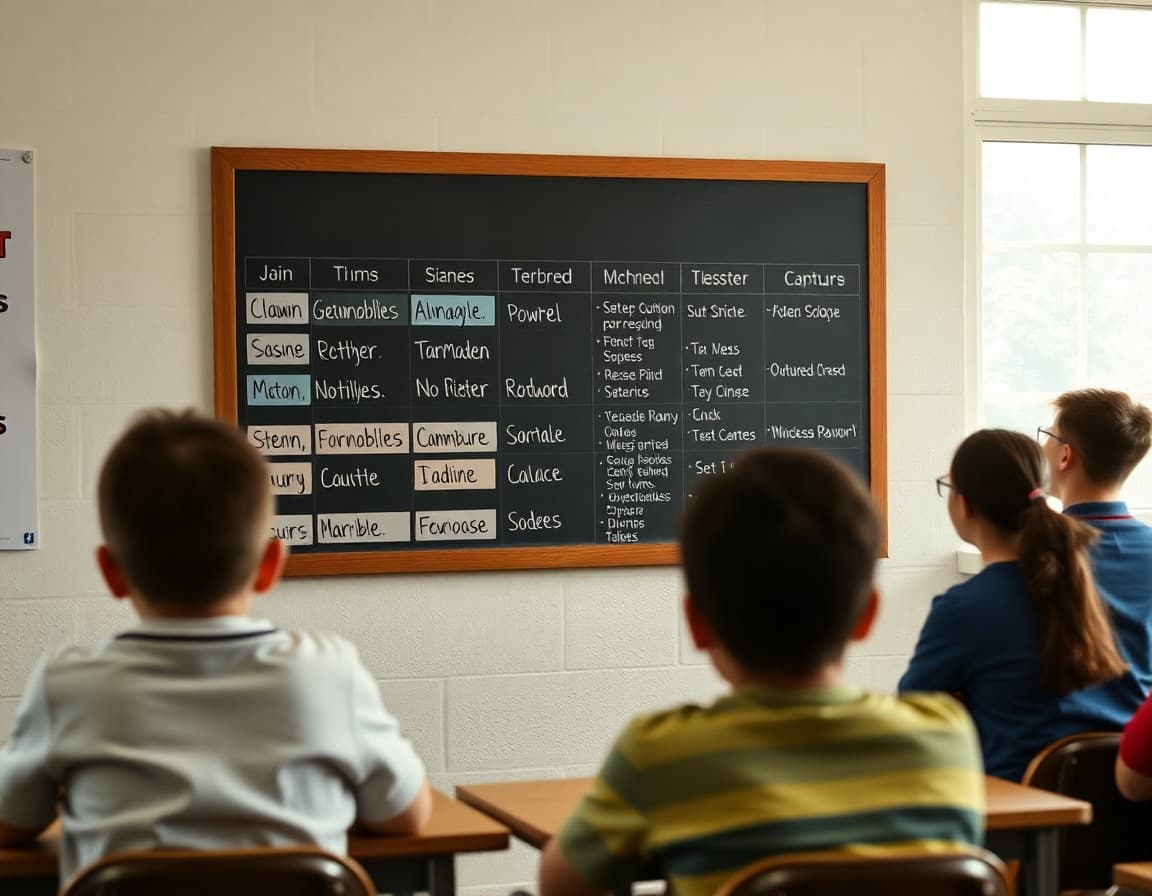
Classroom jobs are not decorative. When they are designed and managed well, they give students genuine ownership over how the classroom functions and build the kind of responsibility that transfers outside school. A newsletter that explains your classroom jobs system helps families understand what their child is doing each week and reinforces the value of those roles at home.
Why Classroom Jobs Matter More Than Parents Think
Many families see classroom jobs as classroom management tricks. In practice, well-designed classroom jobs teach responsibility, build community, and reduce the teacher's workload while increasing student investment in the space. A student who has been the librarian for a week cares about the classroom library in a different way than a student who has never maintained it.
What Jobs Are in Your Classroom
List your classroom jobs in the newsletter with a one-line description of each. This gives families a complete picture and tells students what they have to look forward to. A sample list: line leader (leads the class to and from specials and lunch), materials manager (distributes and collects supplies before and after activities), messenger (delivers communications to the office), class librarian (organizes and cares for the classroom library), tech helper (manages device cart distribution and collection). Simple descriptions go a long way.
How the Rotation Works
Tell families your rotation schedule and how assignments are made. "Jobs rotate every Monday. I assign them based on a rotating list so that every student holds every job during the year." Or: "Students choose their jobs on Monday morning on a first-come, first-served basis for new roles. If a job was held last week, the student moves to a new one." The specific system matters less than families understanding it clearly.
The Responsibility Approach
Explain how you handle a job that does not get done. Avoid framing this as discipline. "When a job is not completed, we pause as a class and figure out how to cover it together. Students learn quickly that their role affects everyone, and that tends to be the most effective motivator." That framing tells families you are teaching real accountability without punishing mistakes.
Higher-Responsibility Roles
In older grades, some teachers include jobs with greater responsibility: student facilitator, discussion leader, morning meeting host, or classroom greeter for visitors. If you have roles like these, describe them in the newsletter. Families whose child holds a higher-responsibility role for the first time will want to know what it involves. This also signals to students that the role is meaningful enough to tell their family about.
How Families Can Connect With the Job at Home
Ask families to ask their child about their classroom job each week. A simple question: "What is your job this week and how is it going?" does two things. It reinforces that the job matters and it gives you as the teacher a follow-up conversation point if a student is not performing their role. When students know their families are tracking the job, they take it more seriously.
Jobs and Social Development
Classroom jobs create natural collaboration between students who might not otherwise interact. The materials manager has to coordinate with students at each table. The class librarian has to work with students who use the library. These low-stakes cooperation moments build social skills that are harder to teach through direct instruction. Your newsletter can mention this connection briefly so families see the full value of what seems like a simple rotation chart.
Get one newsletter idea every week.
Free. For teachers. No spam.
Frequently asked questions
What classroom jobs do most teachers use and why?
Common classroom jobs include line leader, door holder, materials manager, librarian, messenger, plant waterer, and attendance taker. The best jobs are ones that give students real responsibility, not just busy tasks. Jobs that students have to do correctly for the class to function well are the most motivating.
How often should classroom jobs rotate?
Weekly rotation is the most common approach. It gives students enough time to do the job well and understand what it requires, but keeps the novelty high enough to maintain engagement. Monthly rotations tend to make students forget their responsibilities by week two.
Should classroom jobs be earned or assigned?
Both approaches work depending on the grade and the culture you are building. In many classrooms, all students rotate through all jobs on a set schedule. In others, certain jobs are earned through consistent effort. Your newsletter can explain your specific approach so families understand what their child is doing and why.
What if a student does not take their job seriously?
The natural consequence approach works well here: if the materials manager does not prepare art supplies, the class waits for art. Connecting job performance to real classroom impact builds genuine responsibility faster than external consequences. Your newsletter can mention this approach without framing it as punishment.
Can I highlight classroom job performance in a Daystage newsletter?
Absolutely. Daystage lets you build a recognition section into your regular newsletter where you can note standout job performance for the week. Parents love reading that their child took the librarian role seriously this week. It takes 30 seconds to add and makes a real impact.

Adi Ackerman
Author
Adi Ackerman is a former classroom teacher and curriculum writer with 8 years in K-8 schools. She writes about school communication, parent engagement, and what actually works in real classrooms.
More for Classroom Teachers
Ready to send your first newsletter?
3 newsletters free. No credit card. First one ready in under 5 minutes.
Get started free