
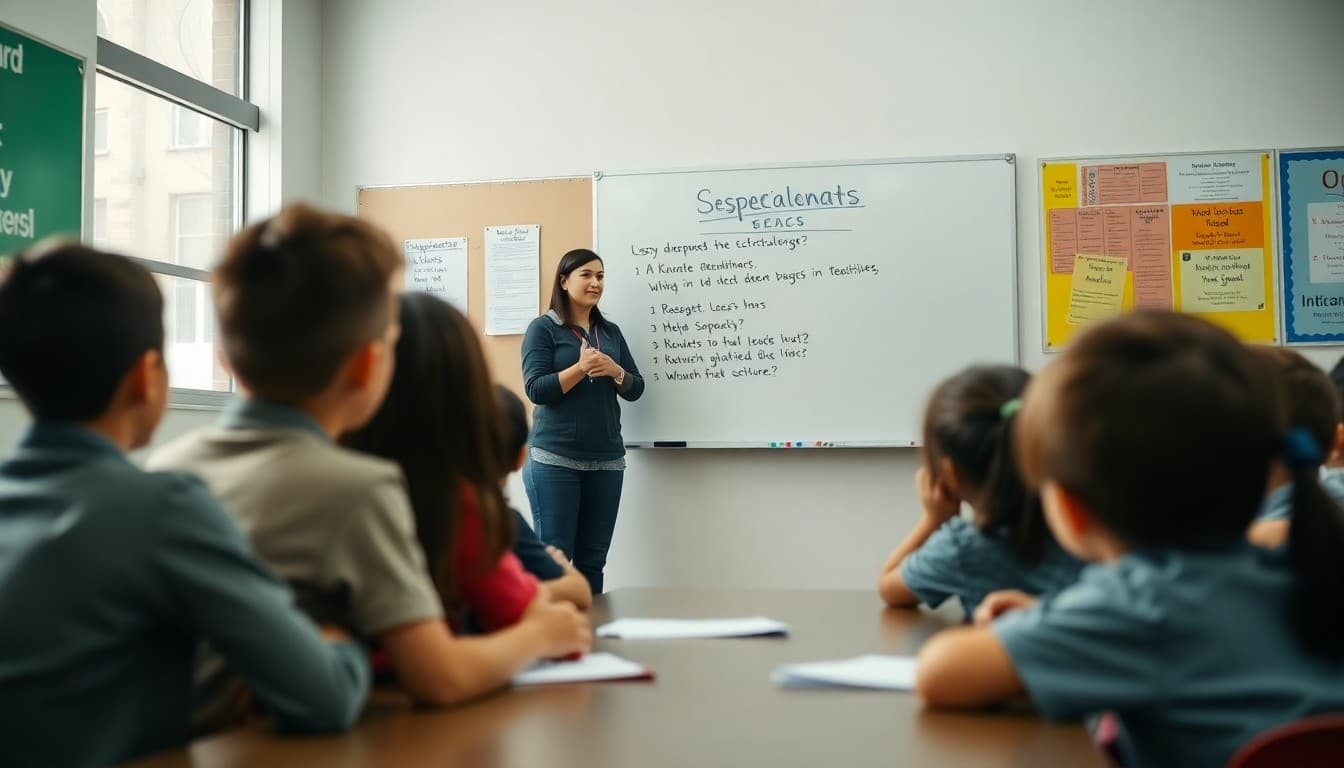
Classroom Expectations Newsletter: Setting the Standard Together
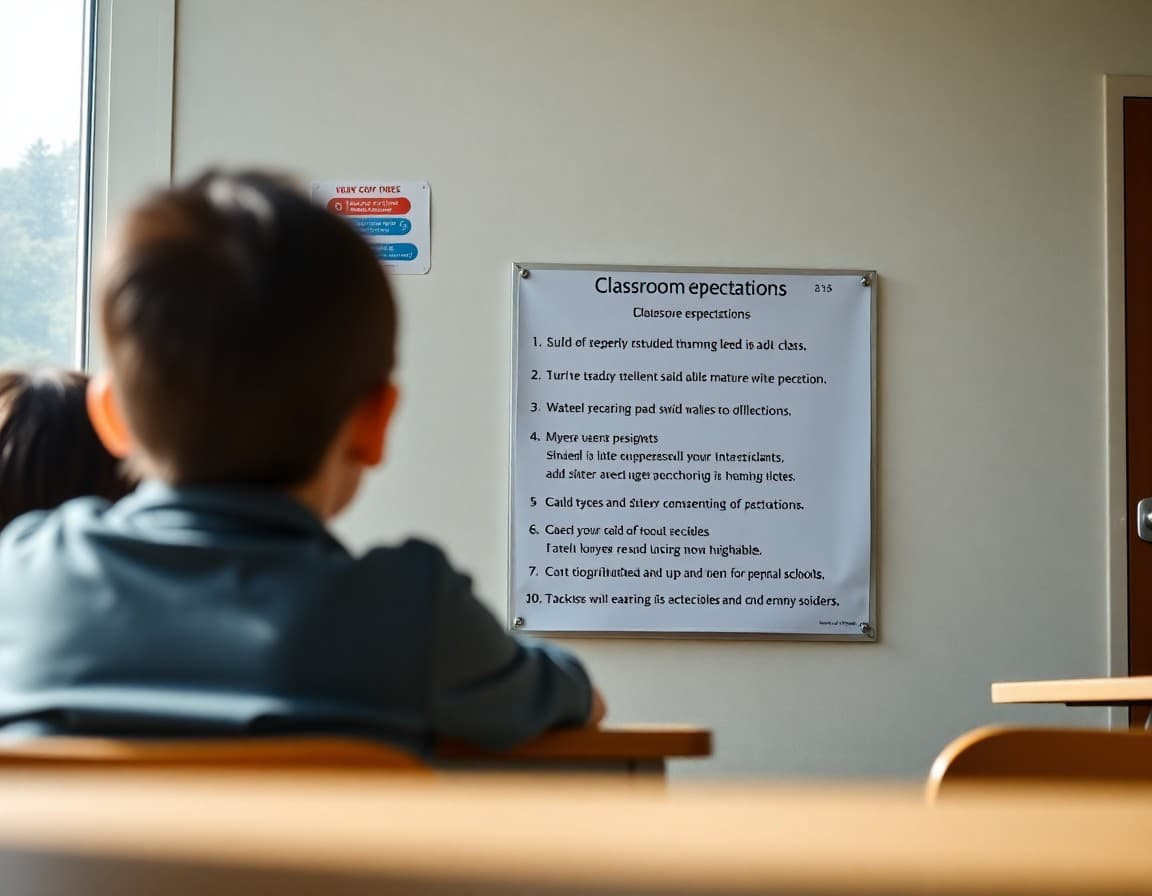
When students and families know exactly what you expect, the first month of school goes differently. Confusion about expectations generates more behavioral issues, more parent emails, and more classroom disruptions than almost any other factor. A classroom expectations newsletter that arrives before or during the first week of school does the alignment work before problems develop.
Expectations vs. Rules: Why the Framing Matters
Rules are walls. Expectations are directions. When you frame classroom standards as expectations rather than prohibitions, you are saying: "Here is what success looks like here." That framing is more motivating and more transferable. Families who understand expectations can ask positive questions: "Did you meet the participation expectation today?" rather than "Did you break any rules?"
Academic Expectations
Be specific about what you expect academically. Examples: complete all assignments before turning them in, revise writing at least once before final submission, show all work on math problems, read for 20 minutes each school night. The more specific you are, the less room there is for misunderstanding. Vague expectations like "try your best" tell students nothing actionable.
Behavioral and Community Expectations
Cover the three or four community expectations that matter most in your classroom. "Listen when someone is speaking, including other students. Disagree with ideas, not people. Take care of shared materials. Include others in group work." Those four statements, each followed by a brief explanation of why it matters, are more powerful than a list of ten rules.
Participation Expectations
This is the expectation families least expect to read about but most need to understand. Tell them: "I expect students to contribute to class discussions, ask questions when they are confused, and engage actively during group work. These are skills we practice, not requirements that students arrive with." That sentence normalizes participation growth and reduces family pressure around social anxiety.
A Sample Expectations Statement You Can Adapt
Here is a condensed version for the newsletter:
"Our three classroom expectations are: Be Ready (come prepared with materials and completed work), Be Respectful (treat classmates, adults, and materials with care), Be Responsible (own your effort and your actions). We will review these as a class throughout the year, and I will reference them when discussing individual situations with students."
How Families Can Reinforce Expectations at Home
Give families two concrete ways to support your expectations. First, ask their child each evening if they met the day's expectations and what got in the way if not. Second, read through homework before submission with an eye toward "is this your best work?" rather than "is it done?" Those two habits mirror exactly what you are reinforcing in school.
What Happens When Expectations Are Not Met
Close the newsletter by describing your response approach. Something like: "When expectations are not met, I address it directly with the student first. If a pattern develops, I will contact you. I am not looking to penalize students who are still learning the standards. I am looking to teach and reinforce them." That statement sets realistic expectations for families about when and how you will be in touch.
Get one newsletter idea every week.
Free. For teachers. No spam.
Frequently asked questions
What should a classroom expectations newsletter include?
Cover your academic expectations, behavioral expectations, and participation expectations. Explain why each one matters and what meeting the expectation looks like in practice. Include a note on how you will communicate if expectations are not being met and what families can do to reinforce them at home.
How is a classroom expectations newsletter different from a classroom rules newsletter?
Rules are boundaries: don't run, don't interrupt. Expectations are standards: be prepared, give your best effort, treat others with respect. Expectations are more about the culture you are building than the prohibitions you are enforcing. A newsletter framed around expectations sets a more positive and growth-oriented tone.
When should I send the classroom expectations newsletter?
The first week of school, after you have introduced them in class. Students should hear about expectations from you first and then have families reinforce them at home. Sending the newsletter before introducing them in class creates confusion when your classroom version differs from what a family read over the weekend.
How do I get buy-in from families on academic expectations?
Explain the reasoning behind each expectation briefly. Families who understand why students are expected to revise their writing before submitting, for example, are more likely to enforce that expectation at home. A sentence of rationale for each major expectation transforms the newsletter from an announcement into a partnership invitation.
Can I use Daystage to send this newsletter as a template I reuse each year?
Yes. Daystage lets you save newsletters as templates. You can build your classroom expectations newsletter once, save it, and reuse it every fall with minor updates. That saves time each year and keeps your messaging consistent.

Adi Ackerman
Author
Adi Ackerman is a former classroom teacher and curriculum writer with 8 years in K-8 schools. She writes about school communication, parent engagement, and what actually works in real classrooms.
More for Classroom Teachers
Ready to send your first newsletter?
3 newsletters free. No credit card. First one ready in under 5 minutes.
Get started free