

How to Write an Allergy Awareness Newsletter to Parents
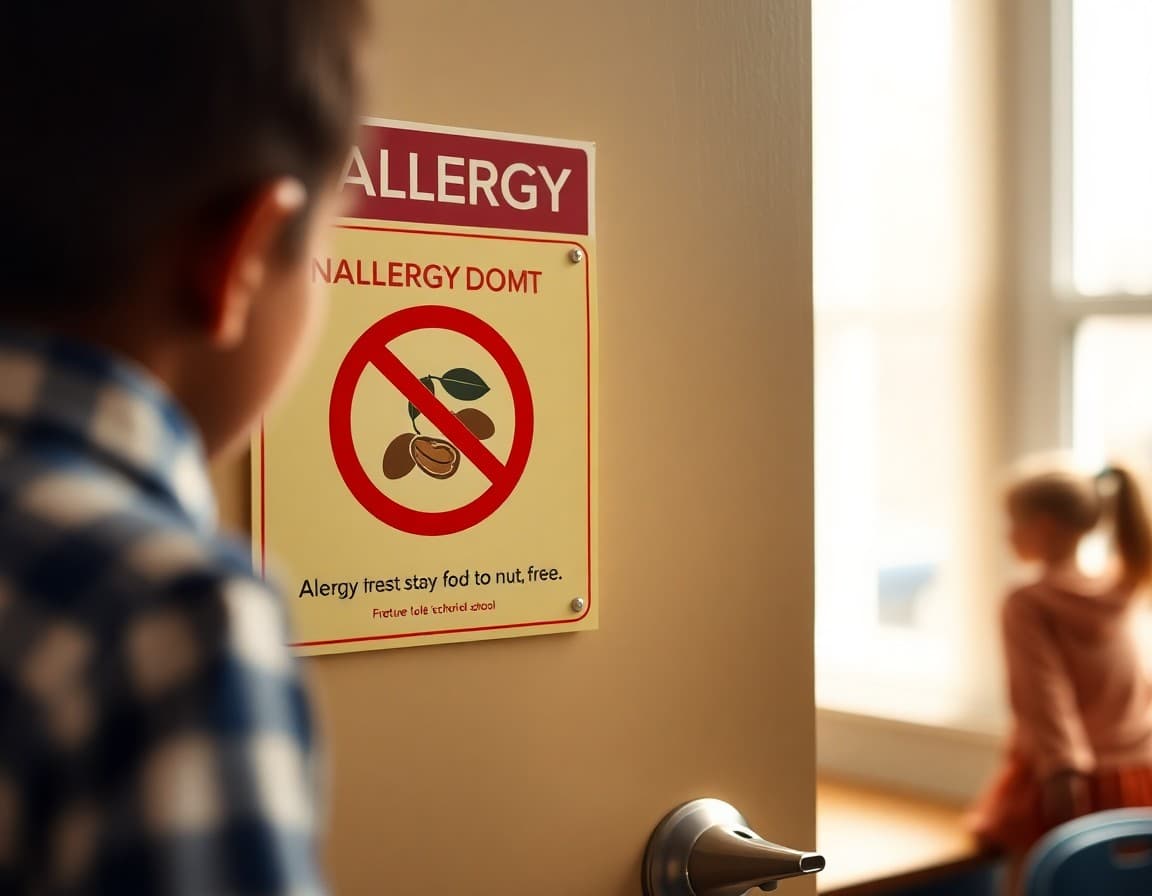
Allergy awareness newsletters are among the most important communications you will send, and also among the most delicate. You need to convey the seriousness of the restriction without alarming families, protect the privacy of the student with the allergy, and give families enough specific information to actually change what they send to school. Done right, this newsletter builds community safety. Done poorly, it creates anxiety or resentment among families who feel inconvenienced.
Lead with the safety framing
Frame the newsletter as a community health communication rather than an inconvenience announcement. "To ensure the safety of every student in our classroom, I am writing to let you know about an allergy restriction that is in effect this year." That framing positions all families as part of the safety community rather than as people being asked to make sacrifices for someone else's situation.
Be specific about what is restricted
General warnings are less effective than specific lists. "Our classroom is peanut-free and tree nut-free. This includes peanut butter, peanut products, almonds, cashews, walnuts, and any product that lists these as ingredients or notes 'may contain traces of peanuts or tree nuts.'" Families who have this list can make informed decisions at the grocery store rather than guessing whether their child's favorite snack is safe.
Suggest specific alternatives
Families who are told what they cannot bring often feel helpless without guidance on what they can bring. "Safe snack options include pretzels, crackers, fresh fruit, carrot sticks, raisins, and most plain chips. [Brand name] products are consistently safe for our classroom. When in doubt, plain is best." A short safe list makes compliance easier than a restricted list alone.
Describe the classroom emergency protocol
Families want to know that their classroom is prepared to handle an allergic reaction if one occurs. Walk through the basic process without alarm. "If a student shows signs of an allergic reaction, I call for the nurse immediately while another adult stays with the student. Emergency protocols are in place and practiced. Our priority is always prevention, but we are prepared if prevention fails."
Explain how you talk about allergies with students
Age-appropriate allergy education in the classroom is part of preventing accidental exposure. Tell families what you cover. "We talk about allergies in class as a community health concept. Students understand that some people's bodies react seriously to certain foods and that being careful about what we bring to school is a way we take care of each other." This context helps families reinforce the same message at home.
Address celebrations and shared food specifically
Birthday treats, holiday parties, and classroom celebrations are the highest-risk moments for accidental exposure. Give families a clear plan. "For classroom celebrations, please check with me before sending food items. I maintain a short list of approved pre-packaged treats that are safe for our classroom. Non-food celebration ideas are always welcome and appreciated."
Thank families for their support
A closing that acknowledges the extra step families are taking builds goodwill. "Thank you for supporting our classroom allergy policy. I know it requires an extra moment of thought at the grocery store, and I genuinely appreciate your cooperation. If you have questions about a specific item before sending it in, please reach out and I will let you know right away."
Daystage makes it easy to send quick allergy reminders before classroom events so families never arrive at a party unsure whether what they brought is safe. One message, one click, all families covered.
Get one newsletter idea every week.
Free. For teachers. No spam.
Frequently asked questions
What should I include in a classroom allergy awareness newsletter?
The nature of the allergy restriction in your classroom, what specific items families should avoid sending, what alternatives work well, how emergencies are handled, and how the class talks about allergies in an age-appropriate way. Clear guidance prevents most accidental exposures.
How do I explain a classroom allergy restriction without revealing the specific student's identity?
Use general language. 'A student in our class has a severe allergy to [allergen]. To keep every student safe, our classroom is [allergen]-free.' You do not need to name the student. Most families understand the policy when it is framed as a community safety measure.
What should families avoid sending for snacks and celebrations?
List specific restricted items rather than just naming the allergen category. 'No peanuts, tree nuts, or products that may contain traces of either' is more useful than 'no nut products.' Families who are unsure whether a specific item is safe need enough information to make good decisions at the grocery store.
How do I handle families who are resistant to the allergy restriction?
Acknowledge their concern and be direct about the stakes. 'I understand this is an inconvenience. The risk of a serious allergic reaction is significant enough that I am not in a position to compromise on this policy. I appreciate your support.' Most families respond appropriately when they understand the severity.
Can Daystage help me send allergy policy updates to classroom families quickly?
Yes. If allergy information changes or a reminder is needed before a classroom event, Daystage lets you send a quick update to your full class list immediately.

Adi Ackerman
Author
Adi Ackerman is a former classroom teacher and curriculum writer with 8 years in K-8 schools. She writes about school communication, parent engagement, and what actually works in real classrooms.
More for Classroom Teachers
Ready to send your first newsletter?
3 newsletters free. No credit card. First one ready in under 5 minutes.
Get started free