
Two-Way Immersion Newsletter: Native and Non-Native Speakers Together
Two-way immersion programs are ambitious precisely because they bring together two language communities and ask them to build something together. The newsletter is the primary communication channel that either reinforces that shared project or inadvertently signals that one community is more central than the other. Getting it right requires deliberate structural choices, not just translation.
Design for Both Communities Simultaneously
The most common failure in two-way program newsletters is producing an English document and appending a Spanish translation at the bottom. This format communicates hierarchy even when the words say something different. Design for equality by alternating which language appears first across different issues, giving each language equal visual space, and editing both versions to the same standard of quality.
The Spanish text should not read like a mechanical translation of the English. It should read like Spanish written naturally for a Spanish-reading audience. If your school does not have staff with strong professional-level Spanish writing ability, investing in a professional translation relationship is worth the cost for the signal it sends to your Spanish-dominant families.
Explain the Peer-Language Model to Both Communities
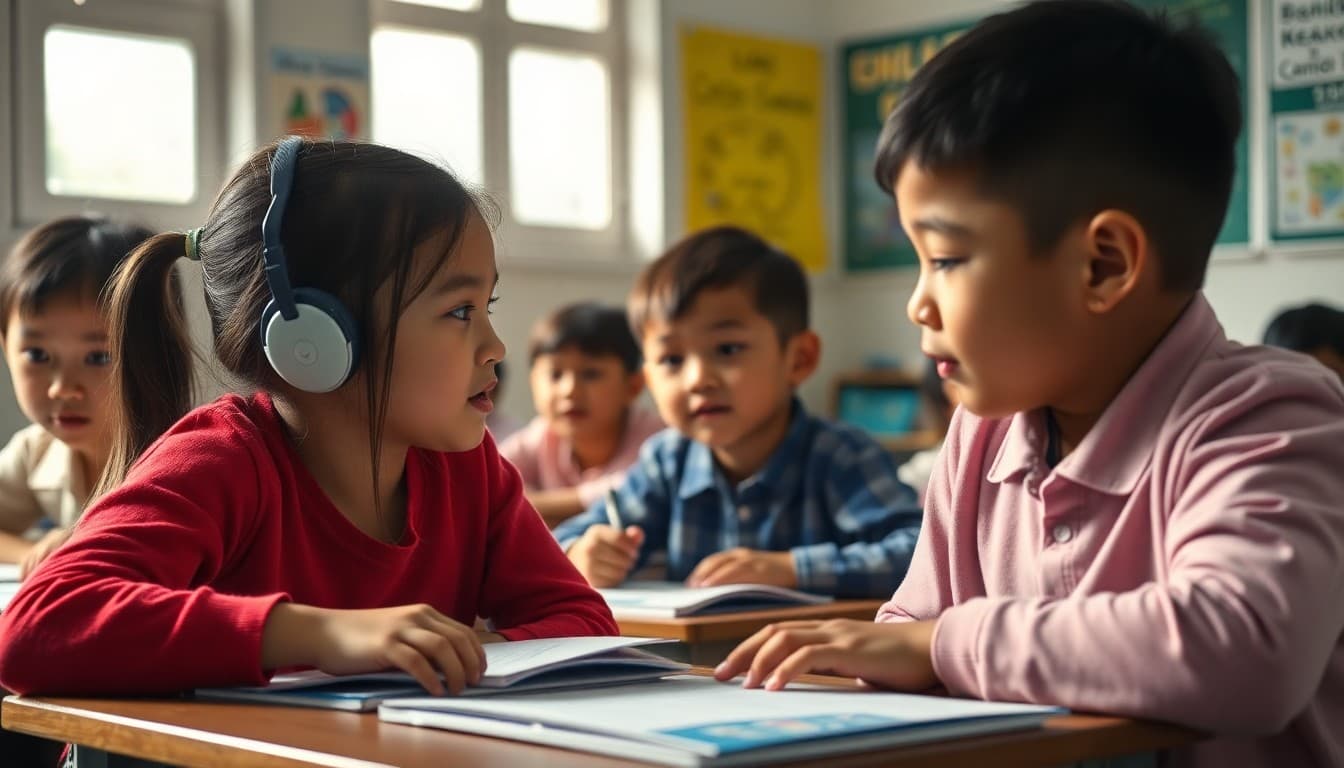
Two-way immersion works because native speakers of each language serve as authentic language models for the other group. English-dominant parents need to understand that their child's Spanish-dominant classmates are not just other students in the program; they are a core resource the program depends on. Spanish-dominant parents need to understand the same in reverse.
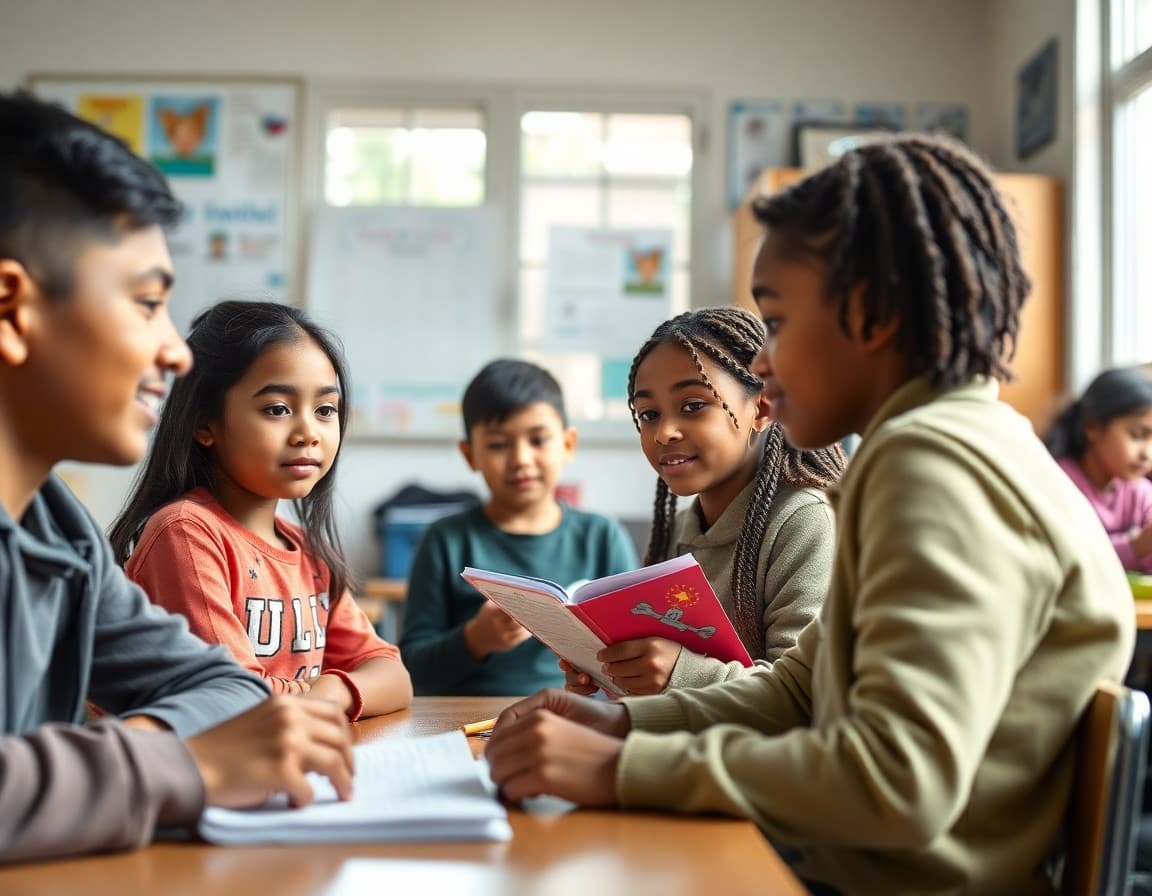
This framing changes how families talk about the program with their children. Instead of "you are learning Spanish" and "you are learning English," both sets of families can understand it as "you are both teaching and learning, every day." That reframe elevates the social status of both groups and sets the foundation for the cross-cultural friendships the program is designed to build.
Address the Equity Tension Directly
Two-way immersion programs typically serve a diverse socioeconomic range of families, and the structural advantages that English-dominant families often bring (more familiar with school communication systems, more comfortable requesting meetings, more likely to join PTA) can create a de facto hierarchy even in programs committed to equity.
Your newsletter should take active steps to counteract this: solicit parent quotes from Spanish-dominant families, feature their contributions to the community, highlight their cultural expertise. Make sure Spanish-dominant families are equally represented in photos of school events. Reach out to Spanish-dominant families individually when critical information requires action, not just through mass email.
Feature Both Cultural Communities Equally
Two-way immersion programs are bicultural as well as bilingual. Your newsletter should reflect both cultures in its content. Celebrate Día de los Muertos with the same depth you celebrate Thanksgiving. Explain Lunar New Year if your partner language is Mandarin. Share recipes, stories, and cultural practices from both communities in your family features.
This cultural breadth is not a polite add-on. It is a core component of the program's mission. Students who graduate from two-way immersion with proficiency in two languages but only deep cultural knowledge of one community have received an incomplete education. The newsletter is one of the vehicles through which cultural balance is either built or left unaddressed.
Create a Template for Consistent Bilingual Structure
Consistency in format across all newsletters reduces production effort and builds reader familiarity. A template that assigns specific recurring sections to each language reduces translation burden over time because families know to look for certain information in a specific location. Here is a simple structural template:
Section 1 (English): School events and logistics for the month. Section 2 (Spanish): Classroom learning update. Section 3 (Both): Family spotlight, alternating communities. Section 4 (Both): Cultural celebration or vocabulary feature. Section 5 (English): Action items and links. Section 5 (Spanish): Same action items. This structure ensures critical information appears in both languages while distributing the full bilingual writing load across sections.
Invite Family Contributions in Both Languages
The most engaging two-way newsletters include family voice. Invite families from both language communities to contribute a recipe, a cultural tradition, a photo, or a brief family story for the newsletter. Set a clear rotating cycle so both communities appear with equal frequency. When families see themselves in the newsletter, they read it. When they do not see themselves, they do not.
This community content also serves as the cultural curriculum that no textbook adequately provides. A grandmother's recipe for tamales with a note about when the family makes them, or a family's description of how they celebrate Juneteenth, teaches both language communities something irreplaceable and signals that every family in the school has knowledge worth sharing.
Get one newsletter idea every week.
Free. For teachers. No spam.
Frequently asked questions
What makes two-way immersion different from other bilingual models?
Two-way immersion deliberately enrolls approximately half native speakers of each program language in the same classroom. Both groups serve as language models for each other. Spanish-dominant students support English learners in developing Spanish, and English-dominant students serve as English models for the Spanish-dominant students. This peer-to-peer language exposure is a core feature that distinguishes two-way from one-way programs and is associated with strong outcomes for both groups.
How should the newsletter address both language communities equally?
The newsletter should appear in both program languages with equal visual weight. Critical information should appear in both languages regardless of which community the reader belongs to. Cultural content should represent both communities. Parent voice sections should include quotes from both Spanish-dominant and English-dominant families. Any content that only addresses one community's concerns or celebrates only one cultural tradition sends an unintended signal about whose experience is centered in the program.
What is the biggest communication challenge unique to two-way programs?
Two-way programs often struggle with an equity tension where English-dominant families have greater institutional access due to language privilege, and Spanish-dominant families feel less engaged with school communication due to language barriers. The newsletter must actively counteract this by ensuring Spanish-dominant families receive communication that is equally informative and equally warm, not just a translated version of the English communication produced as an afterthought.
How do we address the power dynamics between language communities in a newsletter?
Acknowledge explicitly that the two-way model values both languages equally and that the school community is stronger for representing multiple cultures. Rotate which language appears first in the newsletter. Feature community voices from both groups in family spotlights. Celebrate cultural events and holidays associated with both language communities with equal frequency and depth. These structural choices signal that equity is operational, not just aspirational.
Can Daystage support the bilingual newsletter needs of a two-way immersion program?
Yes. Daystage lets you create parallel bilingual layouts with equal visual prominence for both languages, manage subscriber lists that include families in both language communities, and send targeted newsletters to specific language-community segments when needed. The professional formatting of Daystage newsletters communicates institutional respect for both language communities from the moment the email is opened.

Adi Ackerman
Author
Adi Ackerman is a former classroom teacher and curriculum writer with 8 years in K-8 schools. She writes about school communication, parent engagement, and what actually works in real classrooms.
More for Bilingual
Dual Language Immersion Newsletter: Two Languages One School
Bilingual · 6 min read
Bilingual Back-to-School Newsletter: Welcoming Multilingual Families at the Start of the Year
Bilingual · 6 min read
Bilingual Community Outreach Newsletter: Reaching Multilingual Families Beyond the School Building
Bilingual · 6 min read
Ready to send your first newsletter?
3 newsletters free. No credit card. First one ready in under 5 minutes.
Get started free