
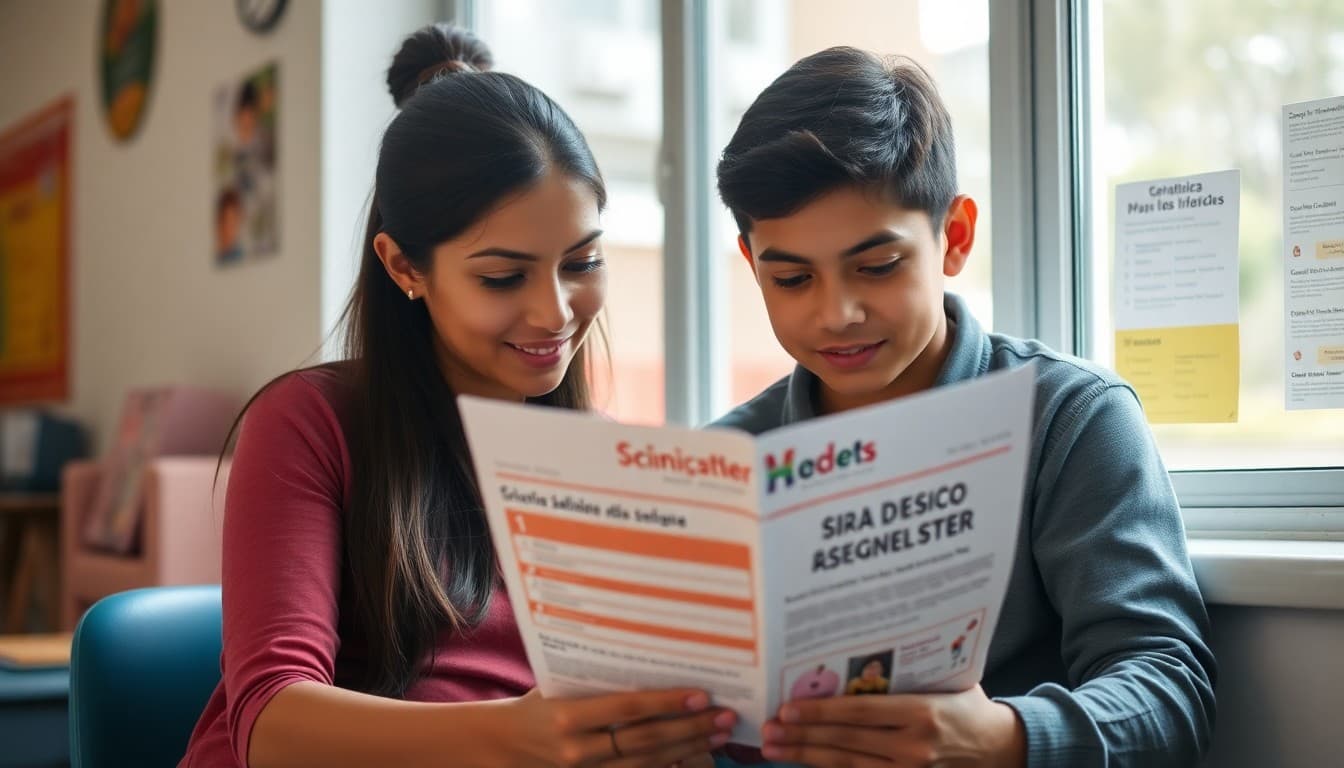
Spanish-Language School Newsletter Guide: What Works and What to Avoid
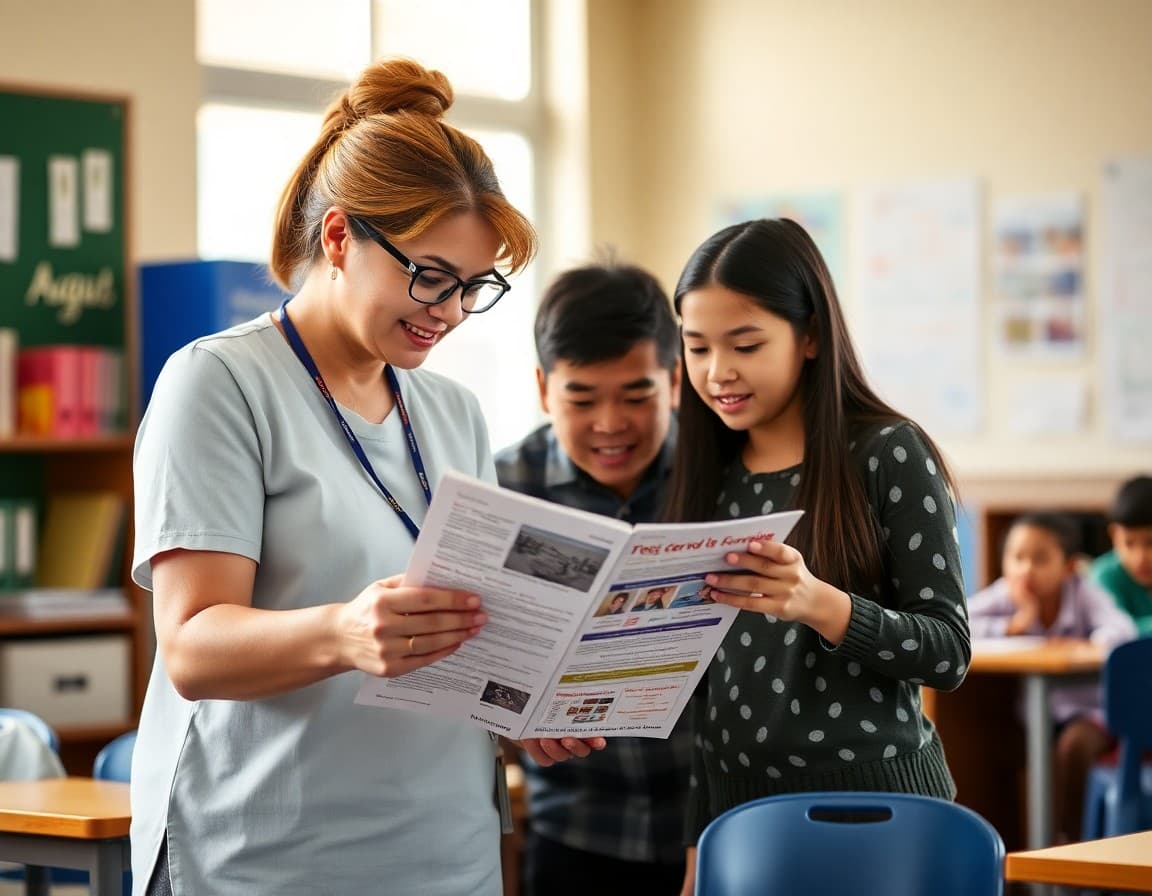
Spanish is the most widely spoken non-English language in American schools, and Spanish-speaking families are among the most underserved by school communications. A Spanish-language school newsletter that is accurate, appropriately formal, and culturally resonant builds trust with one of the largest family communities in most schools. A Spanish newsletter that is a poor machine translation of the English edition often does more harm than good, communicating that the school does not invest seriously in this community. This guide covers how to produce the former.
Understand who you are writing for
Spanish-speaking families at American schools come from diverse national and cultural backgrounds: Mexico, Central America, the Caribbean, South America, and Spain, among others. Standard written Spanish is appropriate for formal communications and is readable across these communities. When writing for a school with a predominantly Mexican-origin community, awareness of Mexican Spanish educational terminology and cultural references improves resonance. Avoid assumptions that all Spanish speakers share the same cultural context.
Get educational terminology right
Educational terminology in Spanish varies by country of origin and by region, and literal English-to-Spanish translation often produces incorrect or confusing results. "Principal" is typically "director/a," not "principal." "Grade" is "grado" (grade level) or "calificación" (academic grade). "Homework" is "tarea." These are common errors in machine-translated newsletters that undermine credibility with families who know the correct terminology. Have a bilingual staff member or community volunteer review educational terms specifically.
Use appropriate formality consistently
Spanish distinguishes between formal (usted) and informal (tú) address, and the choice communicates a specific relationship to the reader. Official school communications addressed to adult family members should use formal register (usted). Content addressed to students can be warmer. The error to avoid is mixing registers in the same paragraph, which sounds unnatural and suggests the text was machine-translated without review. Choose a register for each section and maintain it.

Avoid direct translation of idiomatic phrases
English is full of idioms and expressions that make no sense when translated literally into Spanish. "Reach out to us," "touch base," "heads up," and "moving the needle" are examples that machine translation often renders in ways that confuse Spanish-speaking readers. When reviewing a Spanish draft, flag any phrase that originated as an English idiom and find the natural Spanish equivalent, which is often a completely different phrase.
Build a bilingual review process into your workflow
Machine translation is a reasonable starting point for routine content. It is not an endpoint. A Spanish-language newsletter that goes from English original to machine translation to publication without human review will contain errors that undermine credibility. Building a review step into the production workflow, even fifteen minutes with a bilingual staff member checking terminology and tone, produces a materially better product.
Distribute directly to Spanish-speaking families
A Spanish-language newsletter that exists on the school website but is never directly distributed to the families it is designed for is not serving its purpose. Collect Spanish-speaking families' email addresses directly, send the Spanish edition to them specifically, and track whether it is being opened and engaged with. Distribution to the families who need the content is as important as the quality of the translation.
Get one newsletter idea every week.
Free. For teachers. No spam.
Frequently asked questions
What are the most important things to get right in a Spanish-language school newsletter?
Accuracy of educational terminology, appropriate formality level, readability for families with varying levels of formal education, avoidance of direct literal translation that sounds unnatural in Spanish, and cultural context that acknowledges the diversity within Spanish-speaking communities. Spanish-speaking families are not a monolith; a newsletter written for a predominantly Mexican-origin community reads differently from one written for a Central American or Puerto Rican community.
How should schools handle dialect differences in Spanish-language newsletters?
Standard written Spanish is generally appropriate for school newsletters and is readable across Spanish-speaking communities. Schools with heavily concentrated populations from a specific country of origin may benefit from cultural references and vocabulary that resonate with that community. Avoid slang or highly colloquial expressions that may not translate across dialects, and prioritize clarity and formal register for official communications.
What are common mistakes in machine-translated school newsletters in Spanish?
Literal translations of idiomatic English phrases that make no sense in Spanish, incorrect use of formal and informal address (usted vs. tu), gendered noun and adjective agreement errors, incorrect educational terminology (for example, translating "principal" as "principal" when the correct term is "director" or "directora"), and overly formal or legalistic language that creates distance rather than connection.
Should Spanish-language newsletters use formal or informal language?
Formal register (usted) is generally appropriate for official school communications addressed to adult family members. Informal register (tu) can be used for content addressed directly to students or for community-building sections that aim to be warm and approachable. Consistency within each section matters: do not mix registers in the same paragraph.
How does Daystage help schools produce and distribute Spanish-language newsletters?
Daystage supports multilingual newsletter content and targeted distribution, making it possible to send Spanish-language newsletters specifically to Spanish-speaking families alongside English editions to other families. Schools that use Daystage for consistent Spanish-language communication build the trust with Spanish-speaking communities that drives family engagement and student outcomes.

Adi Ackerman
Author
Adi Ackerman is a former classroom teacher and curriculum writer with 8 years in K-8 schools. She writes about school communication, parent engagement, and what actually works in real classrooms.
More for Bilingual
Ready to send your first newsletter?
3 newsletters free. No credit card. First one ready in under 5 minutes.
Get started free